

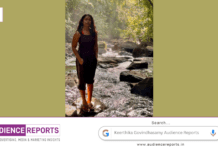




























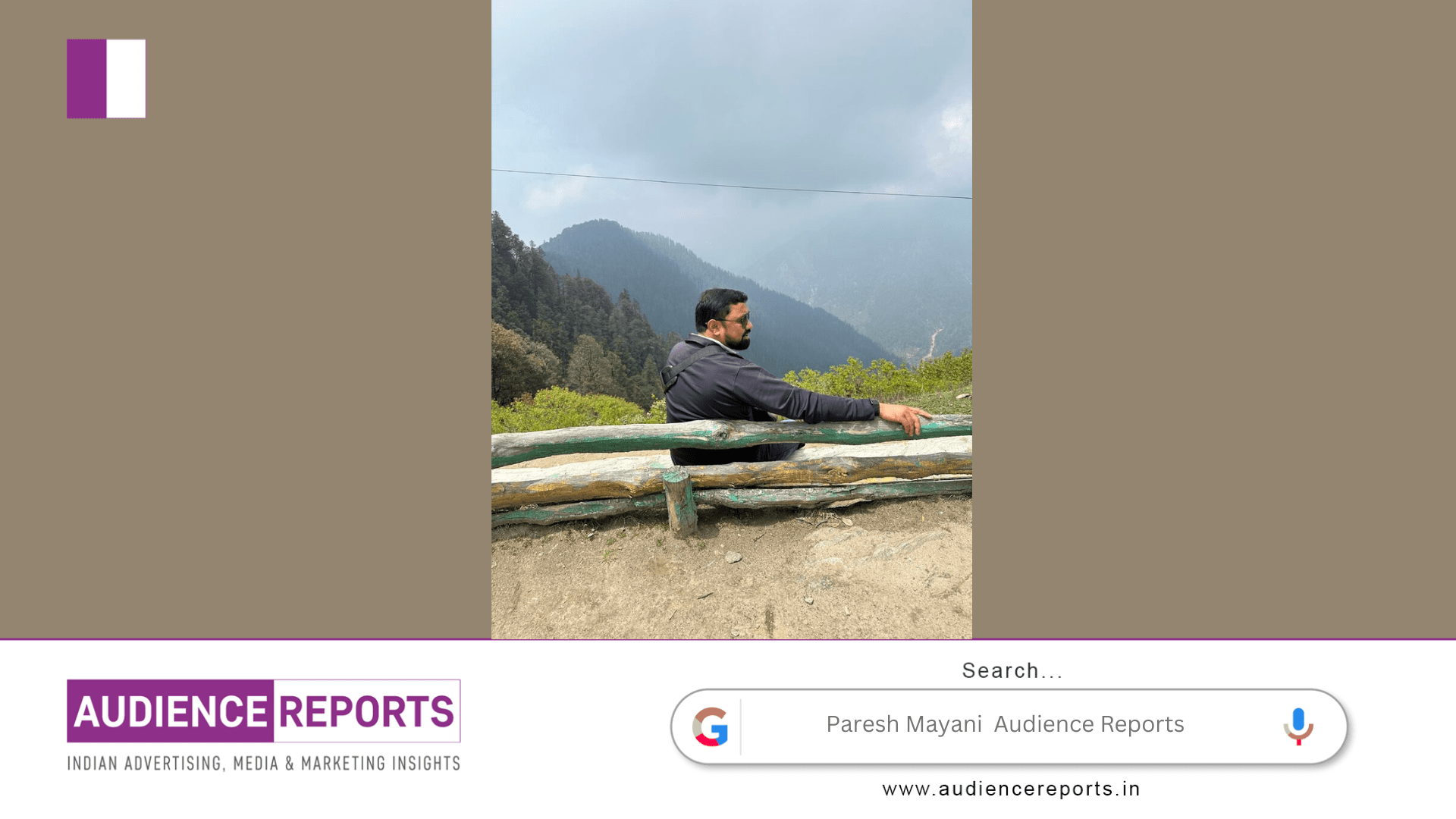
Paresh Mayani shares a leadership lesson that often goes unnoticed in conversations about business growth. While many founders focus on expansion, revenue, and market presence, there is another milestone that reflects the true maturity of an organization: the ability to function effectively when the founder steps away. His recent experience of spending twelve days in the mountains of Himachal Pradesh, completely disconnected from work, highlights a principle that many business leaders aspire to achieve but few successfully implement.
The story is simple yet powerful. For nearly two weeks, there was no Wi-Fi, no meetings, no calls, and no involvement in daily operations. During that period, the company continued to operate smoothly, and there were zero escalations requiring the CEO’s attention. This was not a one-time occurrence. It had become an annual ritual, proving that a sustainable organization is built on systems, trust, and capable people rather than constant founder intervention.
Paresh Mayani, demonstrates that leadership is not measured by how many decisions a founder makes every day. Instead, it is reflected in how effectively teams can make decisions independently when the founder is unavailable. Many organizations unknowingly create dependency on top leadership. Every important decision climbs the hierarchy until it reaches the founder’s desk. While this may seem efficient in the early stages, it often becomes a bottleneck as the company grows.
Paresh Mayani, highlights a different approach. By empowering teams and creating clarity around responsibilities, businesses can reduce dependency on a single individual. When employees understand objectives, values, and decision-making frameworks, they gain the confidence to move forward without waiting for approval at every step.
One of the most important aspects of this story is trust. Trust is not created through motivational speeches or company policies. It develops when leaders consistently give their teams opportunities to take ownership. Employees become stronger when they are trusted to solve problems, manage client relationships, and handle unexpected challenges. Over time, this creates a culture where accountability becomes natural rather than enforced.
Paresh Mayani, provides an example of how trust can transform an organization. The absence of escalations during his travels suggests that the team was not merely following instructions. They were actively managing responsibilities, making informed decisions, and ensuring business continuity. This level of ownership is often the result of years of deliberate leadership and cultural development.
Another valuable lesson from this experience is the importance of systems. Companies that rely heavily on individuals often struggle during periods of absence, transition, or growth. In contrast, organizations with strong systems can maintain consistency regardless of who is present. Processes, documentation, communication channels, and defined responsibilities create stability that supports long-term success.
Paresh Mayani, reminds business leaders that building systems is not about removing the human element from work. Rather, it is about creating structures that allow people to perform at their best. Well-designed systems reduce confusion, improve collaboration, and help teams respond effectively to challenges without requiring constant supervision.
The annual nature of this practice also reveals something important about leadership confidence. Many founders hesitate to disconnect because they fear missing critical developments. Some worry that problems will arise in their absence, while others believe their presence is necessary for smooth operations. These concerns are understandable, especially for entrepreneurs who have invested years building their companies.
Paresh Mayani, demonstrates that confidence in a business grows when leaders intentionally create conditions for autonomy. Stepping away becomes possible when teams are prepared, processes are reliable, and communication expectations are clear. The ability to disconnect is not a luxury; it is often evidence of organizational maturity.
There is also a personal dimension to this story. Entrepreneurship is demanding, and many leaders struggle to separate work from personal life. Continuous availability can create stress, fatigue, and reduced effectiveness over time. Taking meaningful breaks allows leaders to recharge, gain perspective, and return with renewed energy.
Paresh Mayani, illustrates that personal well-being and business success do not have to compete with each other. A company that can function effectively during a leader’s absence provides benefits for everyone involved. The founder gains valuable time with family and personal interests, while employees gain opportunities to demonstrate leadership and problem-solving capabilities.
The statement about building something real is particularly meaningful. A business becomes truly sustainable when it is larger than the founder’s daily involvement. This does not diminish the founder’s contribution. Instead, it reflects the success of that contribution. Effective leaders create environments where others can succeed independently.
Paresh Mayani, offers a perspective that challenges traditional views of leadership. Success is not always about being present in every conversation or approving every decision. Sometimes, success is demonstrated by the ability to step away and know that the organization will continue moving forward.
The recognition given to the team is equally important. Acknowledging employees for their ownership reinforces the behaviors that strengthen organizational culture. People are more likely to take initiative when their contributions are recognized and valued.
Paresh Mayani, reminds us that great organizations are built by collective effort. Leadership creates direction, but long-term success depends on teams that embrace responsibility and consistently deliver results.
Ultimately, this story serves as a practical lesson for founders, entrepreneurs, and business leaders. Building a resilient company requires trust, systems, delegation, and a commitment to developing people. When these elements come together, organizations become capable of thriving regardless of whether the founder is in the office or exploring mountains far from a network connection.
Paresh Mayani, demonstrates that one of the strongest indicators of organizational success is not how dependent a company is on its leader, but how confidently it operates when that leader is away. That is a powerful measure of leadership and a meaningful benchmark for any growing business.