



















Lauren Szuchan shares an important reminder that extends far beyond job interviews. While her LinkedIn post focuses on answering a common interview question, the deeper lesson is about self-awareness, consistent habits, and understanding the behaviors that lead to meaningful results. Lauren Szuchan explains that success is not simply about achieving impressive numbers or reaching the top of a leaderboard. Instead, it is about recognizing the repeatable actions that consistently produce positive outcomes. This perspective is valuable for professionals in sales, leadership, education, coaching, and even parenting, where long-term growth depends on reliable habits rather than occasional achievements.
One of the strongest ideas presented by Lauren Szuchan is that interviewers are rarely interested in hearing broad statements such as “I work hard” or “I’m highly motivated.” Those qualities are important, but they are difficult to measure and almost impossible to differentiate between candidates. Instead, employers want to understand the thinking behind a person’s success. They want evidence that the candidate understands their own process and can apply it in different situations.
Lauren Szuchan highlights an important distinction between outcomes and behaviors. Many professionals focus heavily on outcomes because those are the achievements that appear on resumes and LinkedIn profiles. Revenue generated, awards received, quotas exceeded, and promotions earned all demonstrate performance. However, those accomplishments do not explain how they happened. Understanding the daily decisions behind those achievements creates a much stronger foundation for future success.
Self-awareness has become one of the most valuable professional skills in today’s workplace. As Lauren Szuchan suggests, employers want candidates who can clearly explain the systems they follow rather than simply celebrating the results they have achieved. Someone who understands their workflow, communication style, decision-making process, and customer relationships is more likely to adapt successfully to new environments.
This idea extends beyond interviews. Every professional benefits from regularly evaluating what actually contributes to their best work. High performers often develop routines without consciously recognizing them. Over time, these routines become habits that influence productivity, collaboration, and decision-making. Lauren Szuchan encourages professionals to identify these habits so they can intentionally repeat them wherever they go.
One particularly valuable insight from Lauren Szuchan is the importance of specificity. Generic answers rarely inspire confidence because they could apply to almost anyone. Specific examples demonstrate experience, reflection, and practical knowledge. When someone explains that they consistently establish next steps after every meeting, qualify opportunities carefully, or maintain disciplined follow-up practices, they provide evidence of a repeatable process rather than vague ambition.
This emphasis on process mirrors successful practices across many industries. Athletes rely on training routines. Teachers develop instructional methods. Entrepreneurs create operational systems. Parenting coaches establish consistent approaches for supporting children’s development. Sustainable success almost always grows from disciplined habits rather than isolated moments of exceptional effort.
Another strength of Lauren Szuchan’s message is its focus on adaptability. Success in one organization does not automatically guarantee success somewhere else. Every company has different products, customers, cultures, technologies, and expectations. Professionals who understand the principles behind their achievements are better equipped to adjust to these differences while maintaining consistent performance.
Adaptability requires reflection. Professionals should regularly ask themselves questions such as:
- Which daily habits contribute most to my success?
- How do I prepare before important conversations?
- What patterns help me build trust with clients or colleagues?
- Which routines consistently improve my results?
- What behaviors should I continue regardless of where I work?
These questions encourage continuous improvement while helping individuals recognize strengths they may otherwise overlook.
Lauren Szuchan also demonstrates the value of confidence grounded in evidence. There is a significant difference between confidently describing proven methods and making broad claims about personal qualities. Interviewers often appreciate candidates who speak with clarity because it reflects preparation and thoughtful self-evaluation rather than rehearsed self-promotion.
This mindset benefits leaders as well. Managers who understand their own leadership approaches can mentor employees more effectively. Instead of encouraging teams to simply “work harder,” they can identify specific practices that improve communication, planning, accountability, and collaboration. Practical guidance produces stronger results than motivational slogans alone.
The lesson shared by Lauren Szuchan is equally relevant for individuals early in their careers. New professionals may not yet have years of experience or numerous awards, but they can still develop awareness of their learning habits, communication strategies, preparation techniques, and problem-solving methods. Building this awareness early creates a strong foundation for future career growth.
Reflection is often overlooked in busy work environments. Professionals move quickly from one project to another without taking time to evaluate what contributed to successful outcomes. Lauren Szuchan reminds readers that understanding their own success requires intentional reflection. This process not only improves interview performance but also supports continuous professional development.
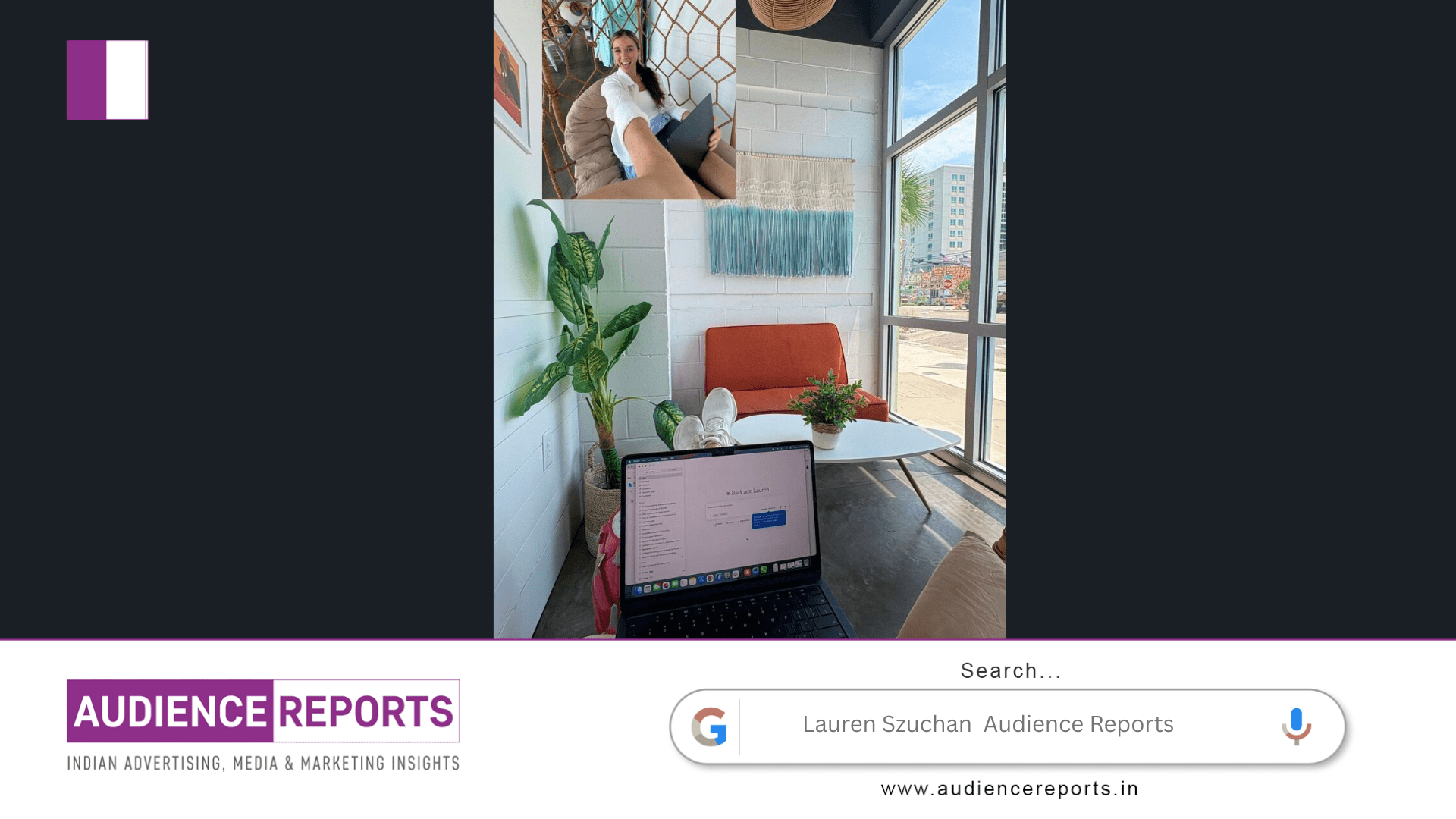
An interesting addition to Lauren Szuchan’s post is her mention of taking a spontaneous trip to the beach. While brief, it reinforces another meaningful lesson: stepping away from work can refresh perspective and encourage clearer thinking. Many professionals discover that creativity, problem-solving, and self-reflection improve when they occasionally change their environment. Balance supports long-term performance just as much as discipline.
Organizations increasingly value employees who demonstrate emotional intelligence alongside technical skills. Individuals who understand their strengths, recognize their habits, communicate clearly, and adapt effectively contribute positively to changing business environments. Lauren Szuchan emphasizes that self-awareness strengthens both personal performance and professional credibility.
Ultimately, Lauren Szuchan encourages professionals to move beyond describing achievements and instead explain the systems that produced them. This shift transforms interviews into meaningful conversations about capability rather than simple discussions of past accomplishments. It also encourages continuous learning because individuals who understand their own methods can refine and improve them over time.
Lauren Szuchan reminds readers that lasting success is built through repeatable actions, thoughtful reflection, and consistent execution. Whether preparing for a job interview, pursuing career advancement, leading a team, or coaching others, understanding the “why” behind success creates greater confidence, adaptability, and long-term growth. Those who can clearly articulate the habits behind their achievements are often better prepared to recreate those achievements wherever new opportunities arise.