



























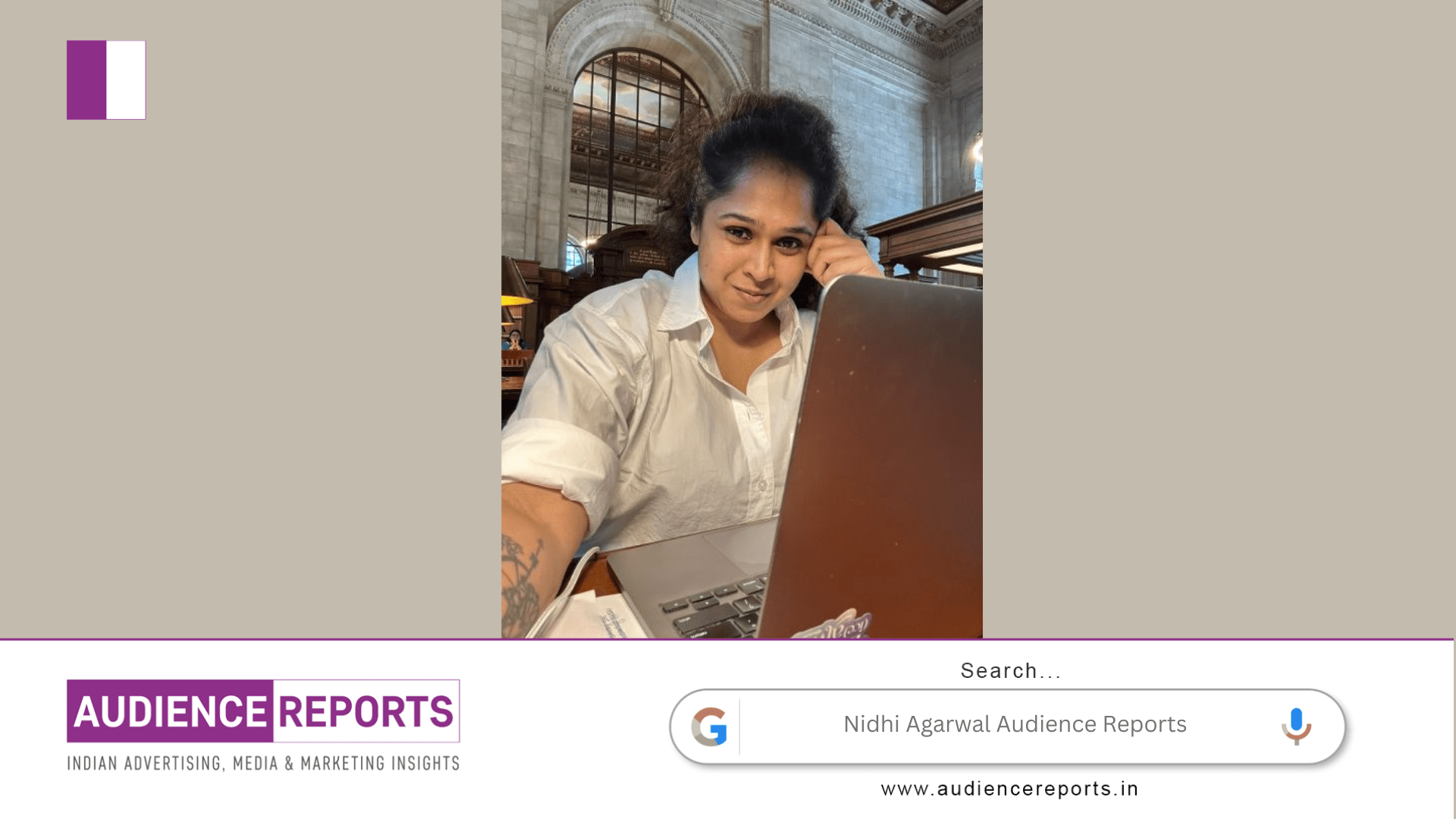
Nidhi Agarwal begins with a simple question: what business are you really in? Her answer, “SLCG,” initially creates confusion. But behind those four letters is a larger idea about how people spend their time, where their attention goes, and what businesses can create beyond conventional products. As the Founder & CEO of Kitsters, Nidhi Agarwal describes SLCG as “Slow Living Consumer Goods,” a concept that challenges the assumption that every consumer product needs to make life faster, easier, or more efficient.
The interesting part of Nidhi Agarwal’s perspective is not simply the name she has given the category. It is the thinking behind it. Modern consumer culture often rewards speed. People are encouraged to complete tasks faster, consume more content, respond immediately, and move quickly from one activity to another. In such an environment, slowing down can appear almost unproductive. Nidhi Agarwal’s post questions that assumption by presenting slowness as something that can have value in itself.
For Nidhi Agarwal, Kitsters is not primarily about selling something that gets used and forgotten. She describes the products as experiences that create opportunities for people to pause. That distinction matters because it changes how a product can be understood. Instead of asking only, “What problem does this product solve?” a business can also ask, “What kind of moment does this product create?”
Nidhi Agarwal’s approach reflects a broader shift in consumer expectations. People increasingly look for experiences that feel personal and meaningful rather than purely functional. A product can become valuable because of the activity surrounding it the time spent making something, sharing something, learning something, or simply stepping away from constant digital stimulation.
The concept of SLCG also highlights the relationship between attention and consumption. Nidhi Agarwal points out that many modern products and platforms compete aggressively for attention. Notifications, advertisements, short-form content, and constantly changing digital feeds can make uninterrupted attention increasingly difficult. While technology has created enormous convenience, it has also made it easier for people to remain continuously occupied.
Against that background, Nidhi Agarwal presents Kitsters as an alternative kind of consumer proposition. The objective is not necessarily to compete for more attention but to encourage people to redirect their attention toward something tangible. That could mean putting one’s hands into an activity, spending time with family, or simply creating a period of intentional focus.
This is where the idea becomes relevant beyond Kitsters itself. Nidhi Agarwal is effectively describing a different way of thinking about consumer value. Traditional businesses often measure value through utility, convenience, durability, price, or performance. A slow-living product introduces another dimension: the quality of the experience it enables.
Nidhi Agarwal does not frame slowing down as an escape from ambition or productivity. Instead, her message suggests that constantly moving forward is not the only meaningful way to spend time. There can also be value in creating deliberate pauses. That idea is particularly relevant in a culture where being busy is frequently treated as evidence of progress.
For entrepreneurs, Nidhi Agarwal’s post also offers an important lesson about positioning. “Slow Living Consumer Goods” is not merely a product description; it is a category that gives context to what Kitsters is trying to build. A distinctive category can help a company explain why its products exist and what makes them different. Rather than competing only on individual product features, a business can communicate a philosophy that connects its offerings.
At the same time, the success of such an idea ultimately depends on execution. A compelling concept needs products that genuinely deliver the experience being promised. Nidhi Agarwal’s philosophy therefore creates a practical challenge for Kitsters: every product, customer interaction, and communication needs to support the idea of intentional living. The strength of the concept will be determined not by the acronym alone but by whether customers actually feel the difference.
Nidhi Agarwal’s story also demonstrates how founders can use language to rethink familiar categories. “Slow Living Consumer Goods” may initially sound unfamiliar, but the explanation makes the concept accessible. That transition from confusion to understanding is itself an example of effective positioning. A new category does not necessarily need complicated terminology; it needs a clear reason for existing.
What makes Nidhi Agarwal’s message inspiring is its simplicity. She is not arguing that people should abandon modern life. She is pointing toward something smaller and more practical: creating moments where people are not rushing from one thing to the next. For a consumer business, that is an unconventional proposition.
Nidhi Agarwal ultimately connects entrepreneurship with a question about time. If most businesses compete to save people time, what happens when a business creates something people actually want to spend time doing? Kitsters appears to be exploring that question through the SLCG model.
Nidhi Agarwal’s post is therefore less about an unusual business acronym and more about a different definition of value. In a world built around speed, convenience, and constant stimulation, she is exploring whether products can create space for attention, participation, and presence. Nidhi Agarwal’s approach shows that entrepreneurship can begin not only with identifying what people need to do faster, but also with noticing what they may want to experience more deliberately.
That is the central idea behind SLCG: sometimes the most meaningful consumer experience may not be about getting somewhere quicker. It may be about giving people a reason to pause, engage, and be present for a while.