


























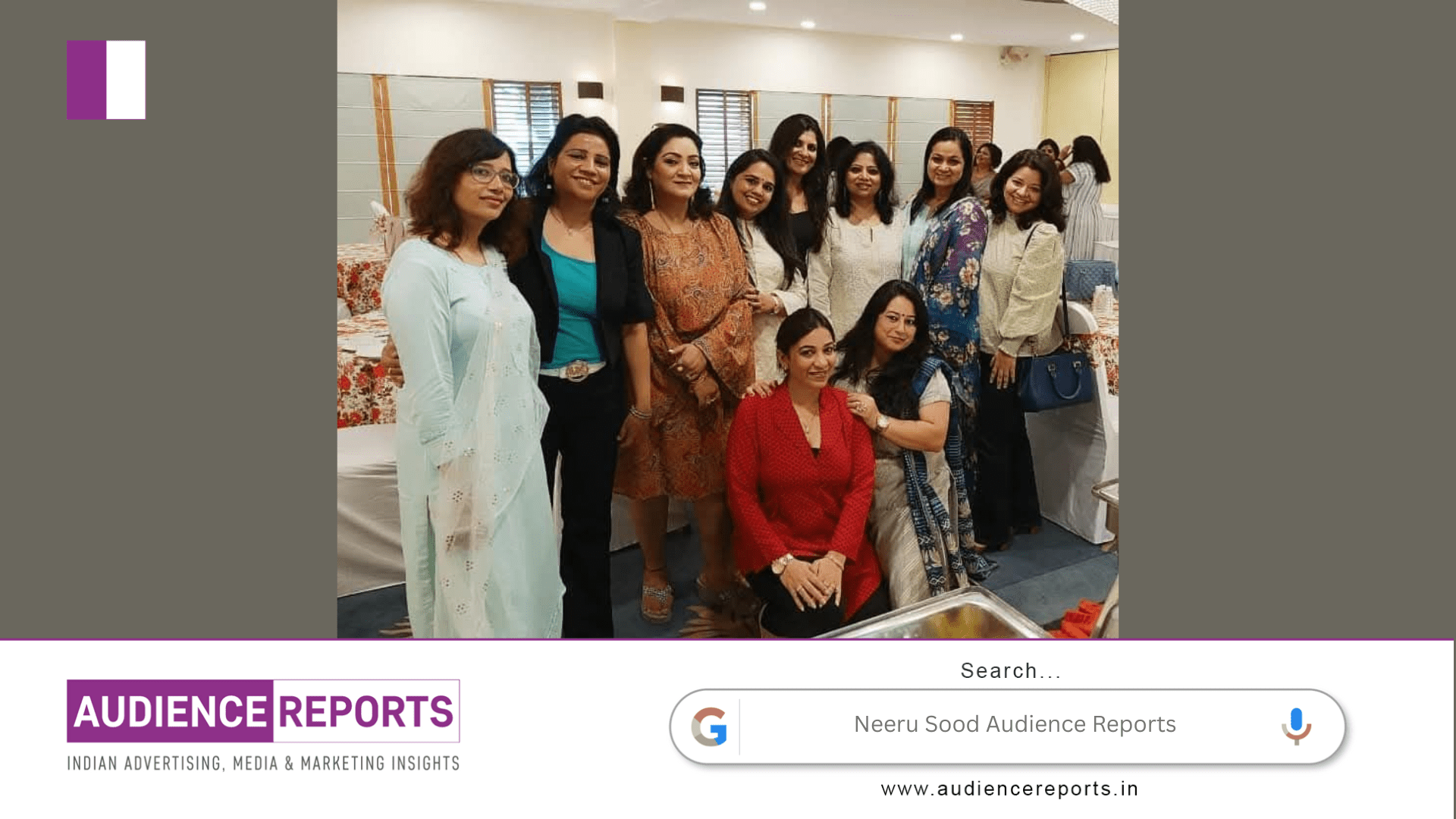
Neeru Sood understands that returning to work after a career break is not simply about finding another job. It can be about rebuilding confidence, updating skills, reconnecting with professional networks, and learning to see personal experience as something valuable rather than something that needs to be explained away. Her reflections on career breaks highlight an important reality: stepping away from professional life does not erase everything a person has learned before it.
Neeru Sood’s own transition from corporate life to freelancing and eventually entrepreneurship gives context to this perspective. Starting again can bring uncertainty. There can be moments when progress feels slower than expected and when comparison with others becomes difficult to avoid. For professionals returning after a break, these emotions can become part of the challenge. The gap itself may be visible on a résumé, but the invisible part is often the hesitation that comes with questioning whether previous experience still matters.
Neeru Sood focuses on changing that mindset through practical action. Instead of treating a career break as something to hide, she encourages women to own their stories. This is more than a motivational idea. A career break can represent different circumstances, responsibilities, decisions, or priorities. Explaining it honestly allows a professional to move the conversation from what happened in the past toward what she is prepared to do next.
One of the practical steps Neeru Sood highlights is updating LinkedIn profiles. A professional profile should communicate the person someone is today, not simply preserve an outdated version of who they were before the break. Skills may have changed, interests may have developed, and new experiences may have been gained outside conventional employment. Presenting those changes clearly can help professionals rebuild their digital presence and make it easier for others to understand their current capabilities.
Neeru Sood also emphasizes starting small. This is particularly relevant because returning professionals may feel pressure to immediately achieve the same level they had before stepping away. Rebuilding does not necessarily happen through one major opportunity. It can begin with reconnecting with former colleagues, attending professional conversations, learning a new skill, taking on a small project, or becoming active on professional platforms again.
Learning technology is another part of the roadmap shared by Neeru Sood. Her reference to beginner-friendly AI tools reflects a broader change in the modern workplace. Professionals returning after a break do not need to become technology specialists overnight. Understanding practical tools that can improve productivity, research, communication, organization, or content creation can make the transition easier. Continuous learning can also demonstrate that a career break did not mean professional development stopped permanently.
For Neeru Sood, personal branding is another important part of rebuilding professional visibility. A personal brand does not have to mean constant self-promotion. It can simply mean sharing knowledge, perspectives, lessons, experiences, and useful observations consistently. When professionals communicate what they know, people begin to understand their areas of interest and expertise. Over time, that visibility can contribute to meaningful professional connections and opportunities.
The idea becomes especially relevant for women returning to work because career breaks can sometimes create an unnecessary comparison with peers who continued without interruption. Neeru Sood’s message challenges that comparison by encouraging professionals to focus on their own timeline. Comparing a second chapter with someone else’s tenth chapter can create expectations that do not reflect reality. Career development is rarely identical from one person to another.
Neeru Sood’s approach also points toward a broader definition of professional success. A second career phase does not necessarily need to replicate the first. Someone who once worked in a corporate role may return through consulting, freelancing, entrepreneurship, part-time work, or a completely different professional direction. The experience gained before the break can become a foundation for something new rather than merely a qualification for returning to the old path.
There is also a useful lesson in Neeru Sood’s emphasis on consistency. Rebuilding a career rarely depends on one action. Updating a profile once, attending one networking event, or completing one course may not immediately produce an opportunity. But repeating small actions learning, sharing, reconnecting, applying, and showing up can gradually rebuild professional momentum.
Neeru Sood ultimately presents the idea of a career break as a transition rather than a permanent definition. The break is one part of the professional story, not the entire story. What comes afterward can be shaped through deliberate choices, current skills, renewed connections, and a willingness to begin at the appropriate pace.
The message from Neeru Sood is therefore not simply about returning to work. It is about giving professionals permission to start again without treating the beginning as a failure. A second innings may require patience, adaptation, and courage, but it can also provide the opportunity to build a career that reflects who someone has become not merely who they were before the pause.
For Neeru Sood, the practical path is clear: own the story, update the profile, reconnect with people, keep learning, explore useful technology, build visibility, and continue taking small steps. A career does not have to follow a perfectly continuous line to have value. Sometimes, the experience gained during the pause becomes part of what makes the next chapter different.