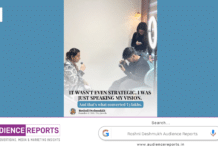























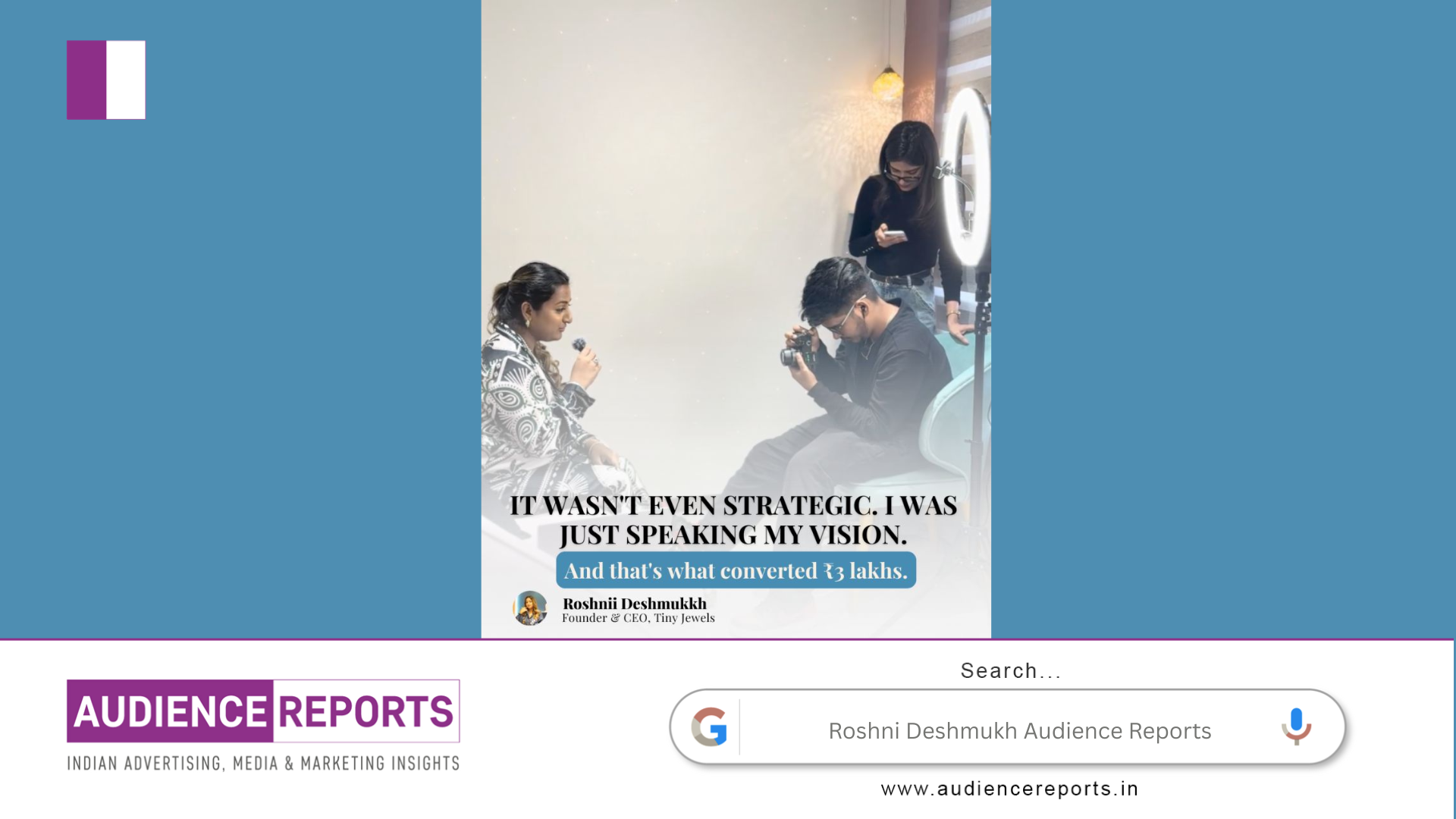
Roshni Deshmukh, Founder of Tiny Jewels ™️, shares an important lesson about entrepreneurship: sometimes, the results that matter most come from actions that were never part of the original plan. In her LinkedIn post, Roshni Deshmukh explains how one founder led piece of content generated ₹3 lakh in sales for Tiny Jewels. What made this outcome interesting was that the content was not created through a carefully designed strategy. Instead, it came from speaking honestly about her vision for the business and exploring a different approach out of curiosity.
The experience highlights a practical reality of building a business. Planning is necessary, but planning alone cannot reveal every opportunity. Sometimes, founders must take action, observe the response, and learn from what happens next.
The Power of Sharing a Genuine Vision
For any business, communicating its purpose is an important part of building a relationship with customers. People may discover a brand through its products, but understanding the thinking behind those products can give them another reason to connect with it.
Roshni Deshmukh’s experience with Tiny Jewels demonstrates how sharing a founder’s perspective can contribute to business outcomes. Rather than focusing entirely on a planned promotional message, she spoke about the vision behind her brand. That personal expression eventually led to a significant sales result.
The lesson is not that every personal post will generate revenue. Instead, it shows that communicating the purpose behind a business can be worth exploring. When founders explain why they started a company, what they want to achieve, and what matters to them, they give audiences a clearer understanding of the brand.
For Roshni Deshmukh, this experience became a reminder that authentic communication deserves a place alongside conventional marketing efforts.
Moving Beyond Endless Strategy
Business owners often spend considerable time studying trends, preparing content calendars, researching audiences, and deciding which marketing formats might perform well. These activities can improve decision making, but excessive planning can also delay experimentation.
Roshni Deshmukh points out that founders sometimes become so focused on what should work that they overlook possibilities outside their established plans. A content idea may appear unconventional or uncertain, yet it could reveal something valuable about an audience.
The challenge is finding a balance between preparation and action. Strategy provides direction, while experimentation provides evidence. Without testing ideas in the real world, businesses risk making decisions based only on assumptions.
The experience shared by Roshni Deshmukh offers a useful reminder for entrepreneurs who are waiting for the perfect idea or the ideal moment to publish something. Progress often begins when a reasonable idea is tested rather than discussed indefinitely.
Curiosity as a Business Advantage
Curiosity can encourage founders to explore opportunities they might otherwise ignore. It creates room for questions such as: What happens if the message changes? Would customers respond differently to a personal story? Could an unfamiliar format communicate the brand’s purpose more effectively?
These questions do not require a business to abandon its overall strategy. They simply create opportunities to discover what works.
In her post, Roshni Deshmukh identifies curiosity as a key part of her founder journey. Her decision to try something different produced a result that a conventional content plan might not have predicted. The ₹3 lakh in sales became a measurable outcome of that particular experiment.
However, the broader lesson extends beyond the revenue figure. An experiment can provide useful information even when it does not generate immediate sales. It may reveal audience preferences, highlight an ineffective message, or suggest a new direction for future campaigns.
Roshni Deshmukh’s experience illustrates why curiosity should be treated as an active business practice rather than simply a personal characteristic.
The Unique Opportunity of Being a Founder
Founders have a direct relationship with the purpose, decisions, and development of their businesses. This gives them the opportunity to communicate perspectives that may not always emerge through standard brand messaging.
As Roshni Deshmukh explains, founders have permission to experiment in ways their teams may not always be positioned to do. This does not mean teams should avoid creativity. Rather, it recognizes that founders can personally explore ideas, share their thinking, and test unconventional approaches without waiting for every possibility to fit an established process.
Founder led content can also help businesses communicate the human thinking behind their products. Instead of presenting only features, offers, or promotional claims, founders can discuss their motivations, challenges, decisions, and lessons.
For Tiny Jewels, the result described by Roshni Deshmukh shows that this kind of communication can have commercial potential. For other businesses, the specific outcome may differ, but the opportunity to test founder led storytelling remains worth considering.
Experimentation Requires Learning, Not Guesswork
Trying something different does not mean making every business decision randomly. Effective experimentation involves taking thoughtful risks, observing results, and using the information to make better decisions.
Businesses can begin with small tests. They might compare a personal founder story with a product focused post, explore a new video format, or explain the problem that inspired a product. Tracking engagement, inquiries, website visits, and sales can help determine whether an approach is producing meaningful results.
The experience shared by Roshni Deshmukh also encourages entrepreneurs to remain open minded about unexpected outcomes. An idea that seems unusual to the creator may resonate with customers for reasons that were not obvious beforehand.
At the same time, one successful content piece should not automatically become a universal formula. Results depend on factors such as the audience, timing, offer, distribution, and customer needs. The objective is to learn from success without assuming that the same outcome can be repeated every time.
Building a Business Through Action
Entrepreneurship involves making decisions without having complete information. Founders develop their understanding through research, experience, customer feedback, and repeated attempts to solve problems.
Roshni Deshmukh’s journey with Tiny Jewels provides an example of how taking action can uncover an opportunity that careful planning alone might not identify. Her post encourages business owners to move beyond assumptions and give unconventional ideas a chance to prove their value.
The most useful takeaway is not simply the ₹3 lakh sales figure. It is the willingness to communicate honestly, explore an unfamiliar approach, and pay attention to the response.
For entrepreneurs building brands, the next breakthrough may not always come from a more complicated strategy. It may begin with a straightforward experiment that reveals a better way to connect with customers.
Conclusion: Let Curiosity Create New Possibilities
Roshni Deshmukh’s experience as Founder of Tiny Jewels ™️ highlights an important principle for modern entrepreneurship: strategy matters, but flexibility matters too. A business needs direction, yet it also needs the freedom to test ideas that do not fit neatly into an existing plan.
Her story shows how authentic founder led content can become more than a communication exercise when it connects with an audience and supports a business objective. The reported ₹3 lakh in sales offers a concrete example of the commercial potential of trying a different approach.
Ultimately, Roshni Deshmukh reminds entrepreneurs that not every valuable idea arrives with a detailed plan or a predictable outcome. Sometimes, the best next step is to experiment, learn from the response, and use that knowledge to move forward.
For anyone building a business, the message is clear: do not let endless planning replace meaningful action. Stay curious, communicate with purpose, and remain willing to discover opportunities beyond what you already know.