


































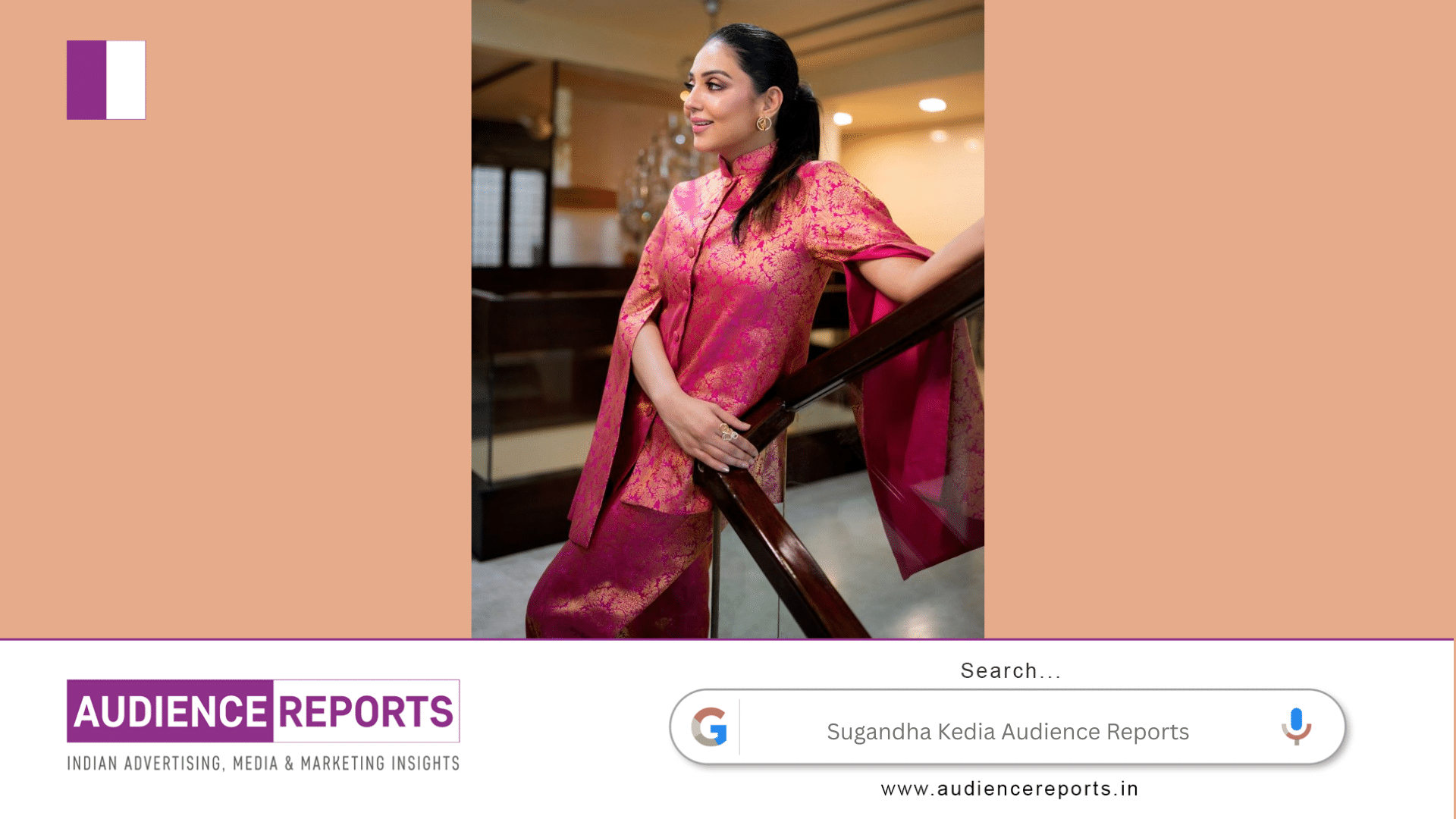
Sugandha Kedia, Founder and CEO of Dusala India, has learned an important lesson about building a premium brand: exceptional craftsmanship alone does not guarantee that customers will understand a product’s true value. A product may involve hours of skilled work, carefully selected materials, and intricate techniques, but unless customers understand these details, they may struggle to recognise why it deserves a premium price. Through her journey with Dusala India, Sugandha Kedia highlights the importance of connecting craftsmanship with clear communication and meaningful customer experiences.
Understanding the Difference Between Quality and Perceived Value
When founders work closely with their products, they naturally become familiar with the effort involved in creating them. They understand the materials, production methods, and decisions that influence the final result. However, customers approach the same product without this background knowledge.
For Sugandha Kedia, this difference became a valuable learning experience. A shawl may appear simple at first glance, but its actual value can depend on the complexity of its weave, the quality of its material, the time required to produce it, and the skill of the artisan. These details may not be immediately visible to someone encountering the product for the first time.
This creates a challenge for businesses that offer premium products. While the founder understands the reasons behind the price, the customer needs sufficient information to make that connection independently.
Sugandha Kedia’s experience demonstrates that product quality and customer understanding must work together. A business cannot assume that customers will automatically recognise the effort behind a product simply because the craftsmanship is exceptional.
Why Premium Pricing Requires Clear Communication
One of the central ideas in Sugandha Kedia’s experience is the difference between appreciation and understanding. A customer may admire a beautiful shawl without understanding why one costs ₹8,000 while another costs ₹80,000.
Simply describing both products as handcrafted or premium does little to explain the difference. These terms can communicate a general impression, but they do not necessarily tell customers what makes a particular product distinctive.
A premium brand must therefore communicate specific reasons behind its pricing. These might include the complexity of the weaving technique, the nature of the materials, the time invested in production, or the specialised skills required to create the finished piece.
Sugandha Kedia’s perspective encourages business owners to move beyond broad claims and explain the details that genuinely distinguish their products. Instead of expecting customers to recognise value intuitively, brands need to help them discover it through relevant information and thoughtful presentation.
This approach is important because informed customers can make decisions based on a clearer understanding of what they are purchasing. It also allows a business to communicate its standards without relying entirely on price or appearance to establish its position in the market.
Creating a Brand Experience That Reflects the Product
For Sugandha Kedia, building Dusala India has also highlighted how many elements influence a customer’s perception of value. The product itself remains central, but the surrounding experience affects how customers understand and evaluate it.
Photography, for example, determines which details customers notice before they ever touch a product. Clear, carefully considered images can help communicate the texture, finish, and distinctive characteristics of a shawl. Poor presentation, on the other hand, may prevent customers from appreciating qualities that are obvious in person.
Packaging contributes to the experience as well. The website, product descriptions, and sales conversations provide additional opportunities to explain the thinking and craftsmanship behind each item. The environment in which a product is presented can also influence whether customers understand the care invested in it.
Sugandha Kedia recognises that these elements should reinforce the product’s actual qualities rather than distract from them. Attractive packaging or polished photography cannot transform an ordinary product into an exceptional one. Their purpose is to make genuine quality easier to recognise.
For businesses developing premium offerings, this distinction matters. Marketing should not manufacture value that does not exist. It should reveal the value already present.
The Importance of Respecting Artisans and Their Work
Craftsmanship represents more than the finished object. Behind an intricately woven shawl are the knowledge, patience, and practical skills required to turn materials into something distinctive.
When customers cannot see these aspects of production, the effort involved may remain invisible. Explaining the process can help them appreciate that the price reflects more than the appearance of the final product.
Sugandha Kedia’s experience with Dusala India offers an important lesson for businesses working with traditional crafts and skilled makers. Communicating craftsmanship effectively requires more than using the word handcrafted in promotional material. It involves explaining the specific qualities of the work and helping customers understand why those qualities matter.
This does not mean every customer will choose the more expensive product. Different people have different priorities and budgets. However, clear communication gives customers a better opportunity to evaluate the product according to its actual merits.
It also allows brands to represent the work of artisans more meaningfully, rather than reducing their expertise to a general marketing label.
Avoiding the Common Mistake of Premium Branding
Many businesses assume that premium positioning means making products appear luxurious. They may focus heavily on visual presentation, expensive packaging, or sophisticated language while overlooking the need to explain the underlying product.
Sugandha Kedia’s learning challenges this assumption. Premium positioning is not simply about creating an expensive appearance. It is about establishing a credible connection between quality, presentation, and price.
A brand must first deliver genuine value. It must then communicate that value in a way customers can understand. If either part is missing, the business faces a problem. Strong communication cannot compensate for poor quality, while excellent craftsmanship may go unnoticed when the brand fails to explain its distinguishing features.
For Sugandha Kedia, this understanding represents an important shift in how a premium business should approach its customers. The objective is not to convince people that an expensive product is automatically better. It is to provide enough clarity for them to understand what makes a particular product different and decide whether those differences matter to them.
Turning Experience Into a Business Principle
Building a brand requires founders to examine their assumptions repeatedly. What seems obvious within a business may not be obvious to someone encountering its products for the first time.
Sugandha Kedia’s journey illustrates why stepping outside the founder’s perspective is essential. Business owners may know the production process intimately, but customers need information that helps them connect product features with practical and emotional value.
This requires attention to the entire customer journey, from the first photograph to the final conversation before a purchase. Every interaction can either clarify the product’s value or leave customers uncertain about the difference between available options.
For Dusala India, the lesson is that craftsmanship and communication are complementary responsibilities. One creates the foundation of value; the other helps customers recognise it.
Conclusion
Sugandha Kedia’s experience as the Founder and CEO of Dusala India highlights a practical principle for anyone building a premium brand: exceptional products need clear explanations. Quality is essential, but customers should not be expected to understand every detail without guidance.
By focusing on craftsmanship, transparent communication, and thoughtful presentation, businesses can create a more informed purchasing experience. They can explain pricing without relying on vague claims, celebrate skilled work without exaggeration, and build a brand identity grounded in the qualities of their products.
Ultimately, Sugandha Kedia’s lesson extends beyond shawls or luxury textiles. It applies to any business whose products offer value that may not be immediately visible. The responsibility of a founder is not only to create something worthwhile, but also to help customers understand what makes it worthwhile.
That is where strong premium positioning begins: with genuine quality, supported by communication that makes its value clear.