







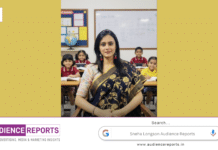







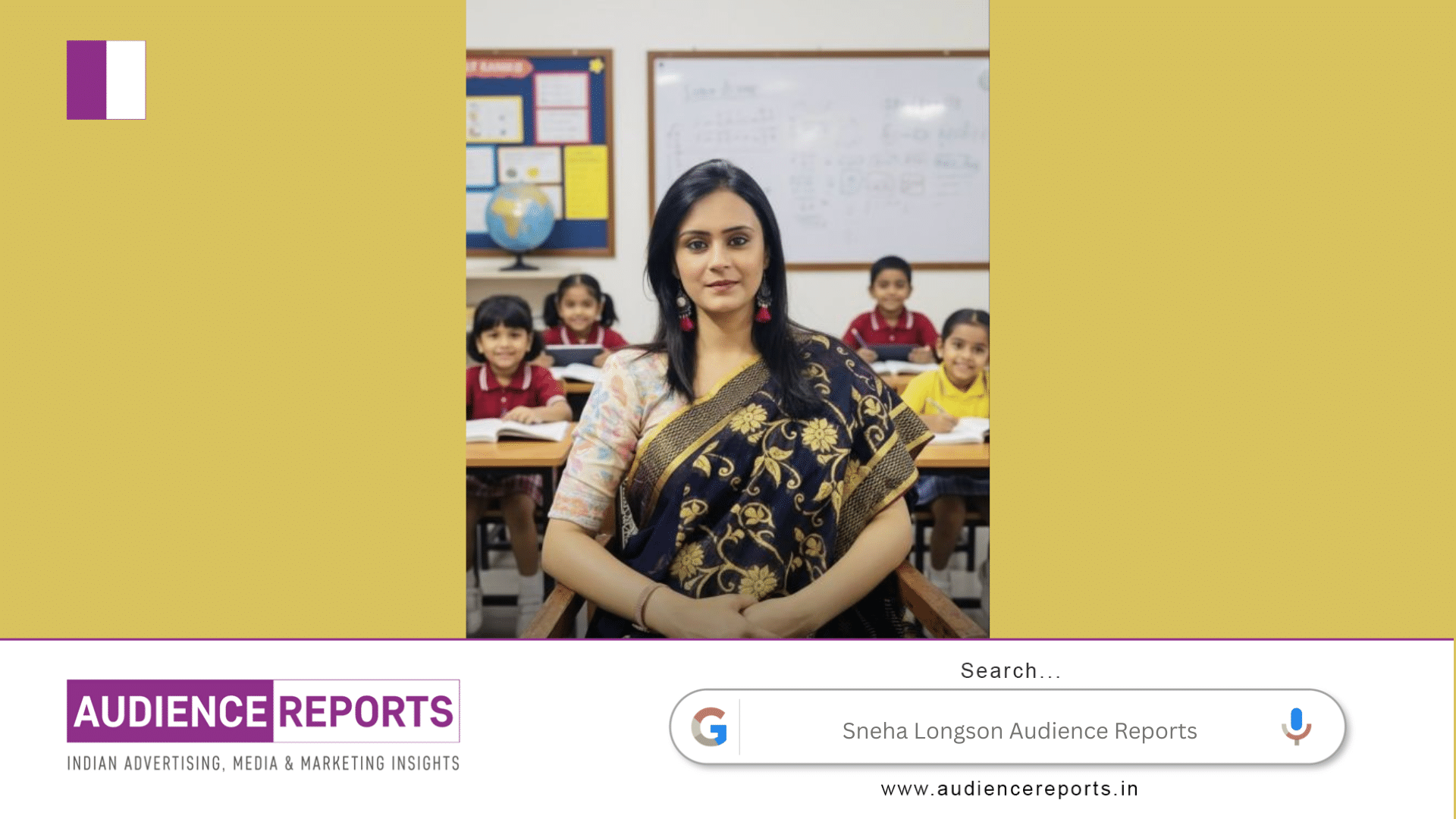
Sneha Longson began her teaching career in 2019 with a clear understanding of what she believed her responsibilities were. As an early childhood educator, she focused on preparing meaningful lessons, building strong relationships with students, and giving her best to the children entrusted to her care. Like many teachers, Sneha Longson believed that fulfilling these responsibilities meant completing her work when the school day ended. However, an unexpected professional experience in 2020 changed her perspective on teaching, knowledge, and the possibilities available to educators.
Discovering a New Professional Direction
When Sneha Longson entered the world of content creation in 2020, she began helping founders and professionals establish their online presence and communicate their expertise. What started as a passion project gradually developed into an important chapter in her professional journey. It introduced her to a different environment where knowledge could be shared with audiences far beyond the boundaries of a traditional workplace.
For Sneha Longson, this experience brought an important realization: the knowledge developed through teaching could have value outside the classroom. Her work began receiving recognition from people who were not necessarily connected to education. Their support helped her understand that professional experience could contribute to conversations across industries.
This shift did not mean abandoning her identity as an educator. Instead, it encouraged Sneha Longson to consider how the skills, observations, and lessons gained through teaching could reach more people. Her experience demonstrated that professional growth does not always require leaving an existing career. Sometimes, it begins by exploring new ways to share what one already knows.
The Knowledge Teachers Carry
Teaching involves much more than delivering lessons from a textbook. Educators observe how children learn, identify different learning needs, adapt their communication, manage challenges, and create environments that support development. These responsibilities build practical knowledge that often comes from years of experience.
Sneha Longson’s journey highlights an important question: how much of this knowledge reaches people beyond the school environment?
Many teachers develop effective methods and valuable perspectives through everyday classroom experiences. Yet these insights may remain within their schools because educators have limited time, few opportunities to publish their ideas, or uncertainty about how to communicate their expertise publicly.
Sneha Longson identifies another possible barrier: the belief that talking about one’s achievements or knowledge can appear like showing off. For professionals who are accustomed to working behind the scenes, becoming visible may feel uncomfortable. Teachers may prefer to focus on their students rather than draw attention to themselves.
However, sharing professional knowledge does not have to be about personal promotion alone. When educators explain what they have learned, other teachers can discover useful approaches, parents can gain a better understanding of children’s development, and school leaders can explore new perspectives.
Through her experience, Sneha Longson encourages educators to see professional visibility as an opportunity to contribute, rather than simply an exercise in self-promotion.
Building Visibility Without Leaving Teaching
One of the central ideas in Sneha Longson’s message is that teachers should have opportunities to build their professional identities while continuing to work in education. Visibility and commitment to teaching do not have to be opposing choices.
Educators can share their expertise through articles, professional networking platforms, educational videos, workshops, online communities, and discussions with fellow professionals. These channels allow them to communicate lessons learned through practice and participate in wider conversations about education.
For Sneha Longson, the goal is to open a conversation about making these opportunities more accessible to teachers. Professional visibility can help educators connect with people who value their experience, discover collaborations, and explore new ways to apply their knowledge.
This process does not require every teacher to become a full-time content creator. Nor does it mean that every classroom experience must become public content. Teachers can choose the subjects they feel comfortable discussing, protect student privacy, and share information responsibly.
The important step is recognizing that educators have the choice to communicate their expertise beyond their immediate professional environment.
Sneha Longson’s experience with content creation offers a practical example of how skills developed in one field can complement another. The ability to explain complex ideas clearly, understand an audience, and communicate with purpose can be useful both inside and outside education.
Recognition Beyond a Job Title
A teacher’s professional identity is often closely associated with a school, institution, or job title. While these associations are meaningful, they do not fully describe the knowledge and experience an educator brings to the profession.
Sneha Longson challenges the idea that recognition should depend only on where someone works. She emphasizes that teachers deserve opportunities to be recognized for what they know, what they contribute, and what they continue to learn.
This perspective is particularly relevant in a professional environment where digital platforms make it easier to share ideas across geographical and industry boundaries. A teacher who writes about classroom learning strategies may connect with educators from different regions. Someone who discusses child development may reach parents looking for reliable perspectives. An experienced school professional may contribute insights to discussions about leadership, communication, or educational innovation.
For Sneha Longson, these possibilities represent a broader understanding of professional opportunity. Recognition does not replace the satisfaction of teaching, but it can help educators see that their experience has relevance beyond a single institution.
Building such recognition takes consistency, thoughtful communication, and a willingness to participate in professional conversations. It is not an overnight process, and online visibility alone does not determine the quality of an educator’s work. The value lies in sharing useful knowledge and building meaningful connections over time.
Creating Opportunities for Educators
The conversation initiated by Sneha Longson invites teachers, school leaders, parents, and others interested in education to reconsider how educators are supported professionally.
Schools can encourage teachers to document successful practices, participate in professional learning communities, and share ideas with colleagues. Educational institutions can also recognize contributions that improve teaching practices and support continued learning.
Teachers themselves can begin with manageable steps. They might write about a lesson that worked well, reflect on a challenge they learned to address, or explain a principle that has influenced their approach to working with children. Over time, these small contributions can develop into a clearer professional voice.
Sneha Longson’s message also reminds educators that sharing knowledge should remain thoughtful and responsible. Confidential student information must be protected, and personal experiences should be communicated with appropriate care. Professional visibility is most meaningful when it supports learning, respects others, and adds something useful to the discussion.
Creating these opportunities requires both individual initiative and a wider professional culture that values educators as knowledgeable contributors.
The Future Beyond the Classroom
Sneha Longson’s journey from teaching in 2019 to exploring content creation in 2020 illustrates how an unexpected opportunity can change the way someone understands a career. Her experience encouraged her to look beyond the traditional boundaries of teaching and consider how educators might extend their influence without giving up the profession they love.
The larger lesson is not that every teacher must build an online brand. It is that teachers should be able to explore professional possibilities without feeling that their knowledge belongs exclusively within the classroom.
Sneha Longson is bringing attention to a conversation about recognition, opportunity, and the value of practical educational experience. By encouraging teachers to share what they know, she highlights the possibility of connecting classroom wisdom with a broader community.
Every educator has experiences worth reflecting on, although not every experience needs to become a public lesson. The challenge is to create environments where sharing knowledge feels worthwhile, professional development is encouraged, and teachers can decide how they want to grow.
Sneha Longson’s perspective offers a useful reminder that a career can continue evolving even when its central purpose remains unchanged. Teaching can shape students’ futures while also creating opportunities for educators to develop their own professional paths.
Ultimately, the classroom should be a place where learning begins, not a boundary that defines how far an educator’s knowledge can travel. Through thoughtful communication, continued learning, and meaningful professional connections, teachers can contribute to a wider community while remaining committed to the students who first inspired their work.