






















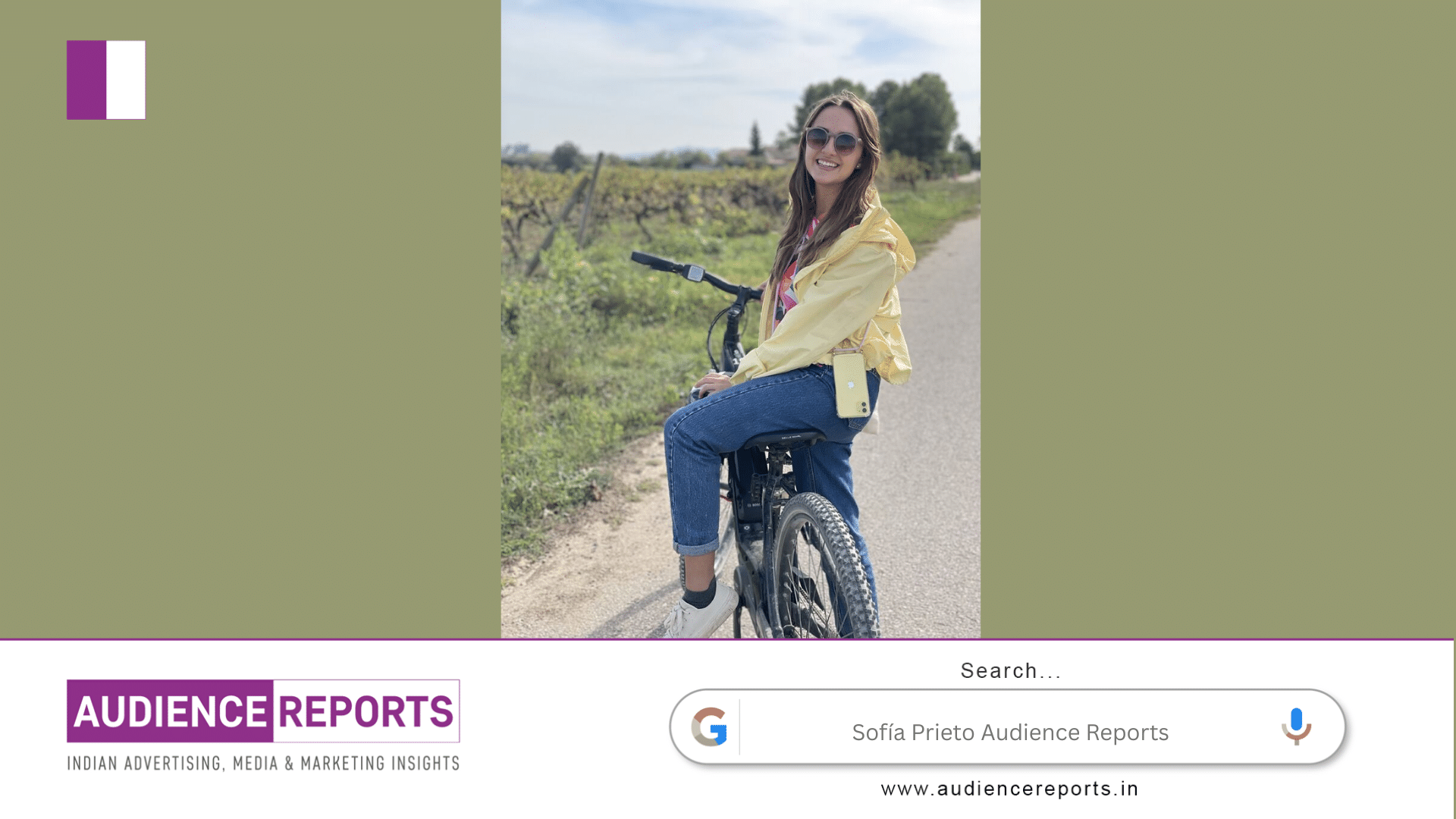
Sofía Prieto believes that people connect with people before they connect with products. In a digital environment filled with polished advertisements, carefully designed visuals, and endless promotional messages, the presence of a real person can make a brand feel more approachable and trustworthy. Her perspective on modern marketing highlights an important shift in how businesses communicate with their audiences: moving beyond product-focused promotion toward meaningful human communication.
For years, many brands relied heavily on product photography, attractive packaging, professional campaigns, and carefully constructed brand identities. Although these elements remain valuable, they do not always create an emotional connection with the audience. Sofía Prieto points out that people increasingly want to understand who is behind a business, what the company believes in, and why its products or services matter.
The Power of Putting a Face Behind a Brand
A familiar face can make communication feel more personal. When people see a founder explaining a business idea, an employee sharing an experience, or a team member demonstrating a product, the message becomes easier to relate to. Instead of interacting with an unfamiliar company, the audience gets an opportunity to connect with the individuals representing it.
Sofía Prieto emphasizes that this connection is not simply about appearing on camera. It is about giving people a better understanding of the business through real experiences, perspectives, and conversations. A human presence can help transform an ordinary marketing message into an opportunity for dialogue.
Research discussed in her LinkedIn post supports this observation. Studies examining branded social videos have associated the presence of human faces with higher consumer engagement. Her post also references Edelman’s 2025 global research, which reports that 63% of respondents trust brand employees as a source of information, compared with 58% for influencers.
These findings suggest that audiences may respond differently when information comes from people who are directly connected to the organization. Trust is not created through visibility alone, but human communication can provide a foundation for building it.
Moving Beyond Product-Centred Marketing
Traditional marketing often follows a predictable pattern: display the product, highlight its features, communicate its benefits, and encourage the customer to make a purchase. This approach can explain what a company sells, but it may leave unanswered questions about the people, purpose, and thinking behind the business.
Sofía Prieto describes a different approach in which people and products appear together throughout the brand’s communication. A product can still take centre stage, but the people who develop it, explain it, use it, and support it also become part of the story.
For example, a founder can explain the problem that inspired a product. An employee can demonstrate how a service works. A team member can share a lesson learned while completing a project. These experiences provide context that a product image alone may not communicate.
This shift does not mean that traditional brand assets have become irrelevant. Logos, visual identity, professional photography, and advertising campaigns still contribute to recognition and consistency. The difference is that businesses have more opportunities to communicate their identity through the people who bring their promises to life.
Through this perspective, Sofía Prieto encourages marketers to consider not only what their brands say, but also who is communicating the message and how audiences might experience it.
Employees and Founders as Brand Voices
A company’s reputation is influenced by more than its official marketing materials. Customers also form impressions through conversations, customer service interactions, employee experiences, and the stories they encounter online.
Founder-led content offers one way to make a company’s direction more understandable. Founders can discuss the challenges behind their decisions, explain their approach to solving problems, and share the lessons that shape their businesses. Such communication can help audiences understand the thinking behind a brand rather than seeing only its finished products.
Employee voices provide another valuable perspective. Employees often understand the practical details of a product or service because they work with it directly. Their explanations can answer questions, clarify processes, and make complex information easier to understand.
Sofía Prieto’s view also creates room for behind-the-scenes content, informal videos, user-generated content, educational posts, and conversations. These formats allow businesses to communicate through different experiences rather than relying on a single corporate voice.
However, meaningful participation requires authenticity. Employees and founders should not be treated merely as marketing props. Their contributions should reflect genuine experiences, accurate information, and a communication style that feels natural to them.
Authenticity in an AI-Driven Content Landscape
Artificial intelligence has made it easier to create written content, generate images, edit videos, and produce marketing materials at scale. Businesses can now develop polished content more quickly than before. While these capabilities create new opportunities, they also increase the amount of similar-looking content competing for attention.
Sofía Prieto raises an important question about this changing environment: when polished content becomes easier to produce, what helps a brand demonstrate that there are real people behind its message?
The answer is not simply to add a face to every advertisement. Human presence becomes meaningful when it communicates something useful, specific, or genuine. A founder discussing an actual business challenge, an employee explaining a real process, or a customer sharing an honest experience can provide context that generic promotional material may lack.
At the same time, appearing human does not automatically make a message trustworthy. Audiences still need accurate information, consistent behaviour, transparency, and products or services that meet their expectations. Human-centred marketing works best when the experience presented in the content matches the reality of the business.
For Sofía Prieto, the growing importance of human communication reflects a broader challenge for marketers: using technology efficiently without losing the qualities that make communication meaningful.
Building a More Human Content Strategy
Businesses do not necessarily need to abandon their existing marketing strategies to make communication more personal. They can begin by identifying the people and experiences that already contribute to their brand.
A practical starting point is to ask employees what customers frequently want to know. Those questions can become educational videos, short posts, or conversations. Founders can share the reasoning behind important decisions. Teams can explain how they approach their work. Customers can contribute feedback and experiences, provided their participation is voluntary and their stories are represented accurately.
Sofía Prieto’s perspective suggests that consistency matters more than occasional appearances. A single behind-the-scenes video may attract attention, but a regular pattern of useful, honest communication gives audiences more opportunities to understand a company over time.
Brands should also choose formats according to their audiences and objectives. Not every business needs a founder who publishes daily videos. Some may benefit more from employee interviews, expert explanations, customer stories, or thoughtful written posts. The goal is to find a credible way to communicate, not to follow every emerging content trend.
The Future of Brand Communication
Sofía Prieto’s message highlights a distinction that will continue to matter as digital marketing evolves: communication is not only about presenting a brand but also about helping people understand the individuals and ideas behind it.
Products remain important. Visual identity still matters. Technology will continue to influence how content is produced and distributed. Yet the relationship between a business and its audience depends on more than the quality of its promotional materials.
When people can understand who is speaking, why the message matters, and how the business delivers on its promises, communication becomes more than advertising. It becomes an opportunity to establish familiarity, encourage questions, and develop trust over time.
Ultimately, Sofía Prieto invites marketers to reconsider the role of people in their content strategies. In a world where polished material can be created at scale, a brand’s human side can offer valuable context and distinction. The strongest approach is not to choose between products and people, or between technology and authenticity, but to bring them together in a way that serves the audience.
A brand may attract attention through its products, design, or campaigns. Sustaining a meaningful relationship, however, requires clear communication, credible experiences, and people who can explain what the business stands for. That is why human communication is becoming an increasingly important part of modern brand building.