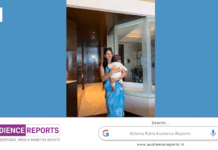






























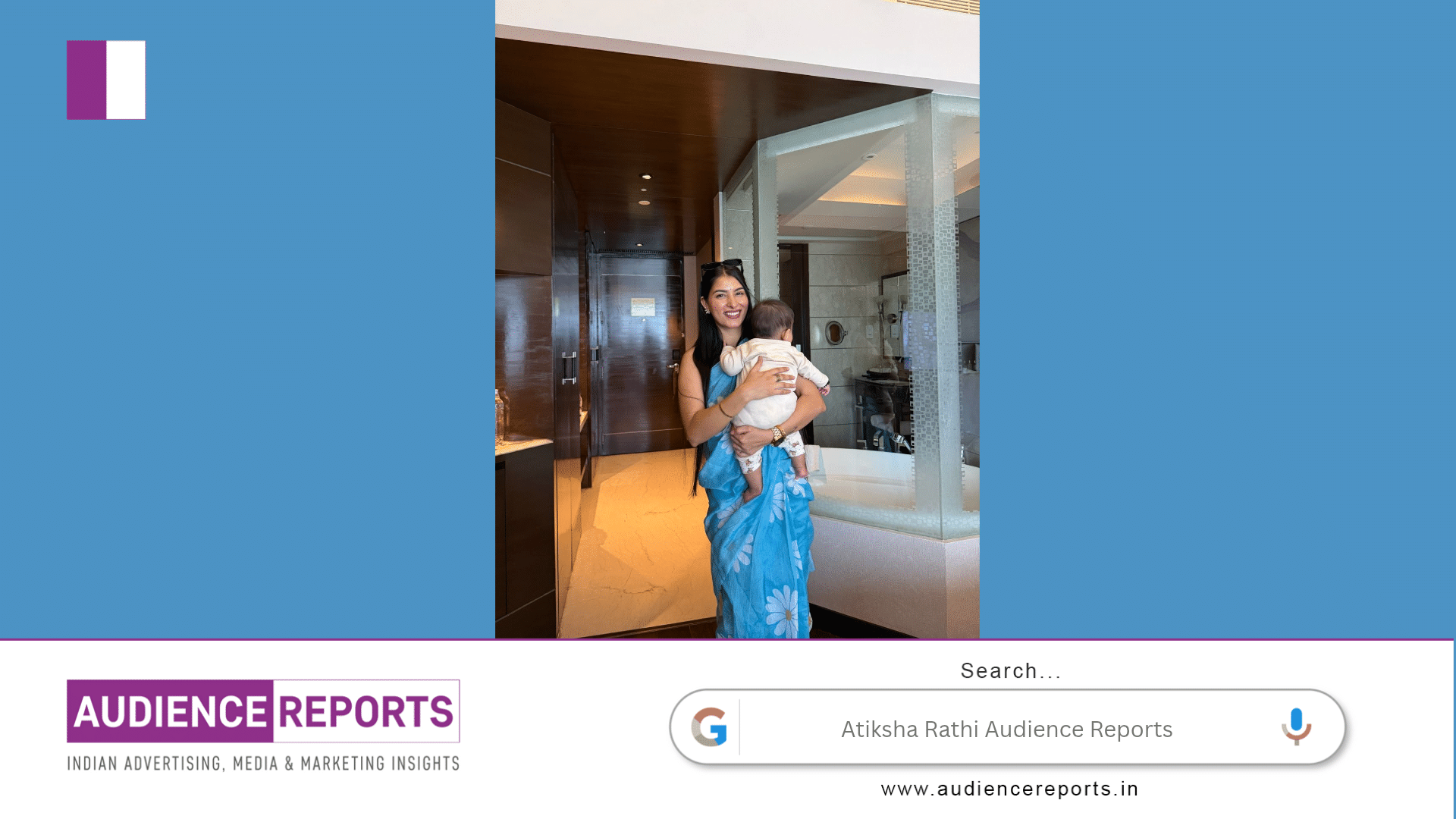
Atiksha Rathi represents an important perspective on modern motherhood: the belief that becoming a mother does not mean putting personal ambitions, professional goals, or individual identity aside. Motherhood brings significant changes to a woman’s life, but it does not have to become the end of her dreams. Instead, it can become another meaningful chapter in her journey of growth.
For many women, life after motherhood introduces a new set of responsibilities. Everyday routines change, priorities shift, and time becomes more valuable than ever. Alongside caring for a child, women continue to carry professional ambitions, personal interests, and dreams they have nurtured for years. Atiksha Rathi highlights how these different responsibilities can exist together without requiring women to abandon one part of themselves.
The Strength That Comes With Motherhood
Motherhood develops a kind of strength that is not always visible to others. It is reflected in patience during exhausting days, courage when situations become uncertain, and hope when circumstances become challenging. These qualities are developed through everyday experiences rather than extraordinary moments.
Atiksha Rathi emphasizes that being a mother involves more than fulfilling responsibilities. It requires emotional resilience, adaptability, and the willingness to keep moving forward even when life becomes unpredictable. There are days when balancing everything feels difficult, but those experiences also reveal a woman’s ability to handle change.
This strength can influence other areas of life as well. The patience developed while raising a child can improve professional relationships. The ability to manage unexpected situations can strengthen decision-making. The determination required to care for a family can also encourage women to pursue their ambitions with greater clarity.
The Challenge of Wearing Multiple Hats
Women often occupy several roles simultaneously. They may be mothers, professionals, entrepreneurs, partners, daughters, and individuals with personal aspirations. Each role carries its own expectations, and managing them together can become demanding.
Atiksha Rathi brings attention to the reality that women are not defined by a single responsibility. Their identities are made up of different interests, experiences, relationships, and ambitions. Becoming a mother adds another dimension to that identity rather than replacing everything that existed before.
For women building careers or businesses, this understanding is particularly important. Professional growth requires time, consistency, and dedication. Family responsibilities also require attention and emotional involvement. Finding a balance between these areas is not always straightforward.
However, Atiksha Rathi encourages a perspective that does not treat motherhood and ambition as opposing choices. Instead of believing that one must disappear for the other to succeed, women can gradually create space for both.
Growing Without Losing Your Identity
One of the strongest ideas in Atiksha Rathi’s message is that women should not lose themselves while caring for others. Love and responsibility are important, but personal growth also deserves attention.
Many women postpone their goals because they believe they must first complete every family responsibility. The problem is that responsibilities rarely disappear completely. There will always be another task, another commitment, or another reason to wait.
Atiksha Rathi’s perspective encourages women to reconsider this pattern. Personal ambitions do not necessarily require dramatic changes or immediate achievements. Growth can begin with small, consistent steps. It might involve developing a professional skill, starting a business, returning to work, building a network, or dedicating time to an individual interest.
These small actions help women maintain a connection with their own aspirations. They also demonstrate that personal development can continue through different stages of life.
Setting an Example for the Next Generation
Children learn from what they observe. They notice how adults respond to challenges, approach responsibilities, and treat their own ambitions. The lessons they receive are not limited to conversations or instructions.
Atiksha Rathi highlights an important aspect of parenting: children can grow up witnessing their mothers demonstrate both love and determination. When they see a mother working towards meaningful goals while remaining caring and supportive, they learn that responsibility and ambition can coexist.
This example can influence how children understand confidence, independence, commitment, and personal development. They can learn that caring for others does not mean abandoning individual dreams.
The intention is not to suggest that mothers must constantly prove their strength or achieve everything perfectly. Rather, it is about allowing children to see the value of perseverance, self-belief, and continuous learning.
Redefining Balance Through Different Seasons
Balance does not always mean giving equal time to every responsibility. Some periods of life demand more attention from family, while other periods create opportunities for professional development. The ability to adjust expectations is an important part of managing these changes.
Atiksha Rathi’s message recognizes that women experience different seasons in life. Their priorities may change, their circumstances may become complicated, and their definitions of success may evolve. There is no universal formula that works for every mother.
Instead of comparing their progress with others, women can focus on identifying what matters most during their current stage. They can make realistic plans, accept that some days will be less productive, and continue working towards their longer-term goals.
This approach creates room for progress without demanding perfection. It also encourages women to recognize that taking care of themselves is not separate from taking care of their families.
The Importance of Continuing to Dream
Dreams often begin with personal ambitions, but their meaning can change as life develops. For some women, professional success becomes a way to create opportunities for their families. For others, pursuing a passion becomes a way to maintain their individuality and sense of purpose.
Atiksha Rathi reminds women that their dreams remain valuable even after motherhood. The responsibilities of raising children may change the way those dreams are pursued, but they do not make those dreams less meaningful.
Her message also challenges the idea that sacrifice should be the only measure of motherhood. Love can be expressed through care, guidance, encouragement, and the example parents set through their everyday choices.
Ultimately, Atiksha Rathi’s perspective offers a meaningful reminder: women do not need to choose between nurturing their children and nurturing their own potential. Both journeys can develop together, even if the path requires patience and adjustments.
Motherhood and personal ambition are not competing identities. They are parts of a larger human experience in which women continue to learn, contribute, build, and grow. The most important step is to keep believing that personal dreams deserve a place in that journey.