














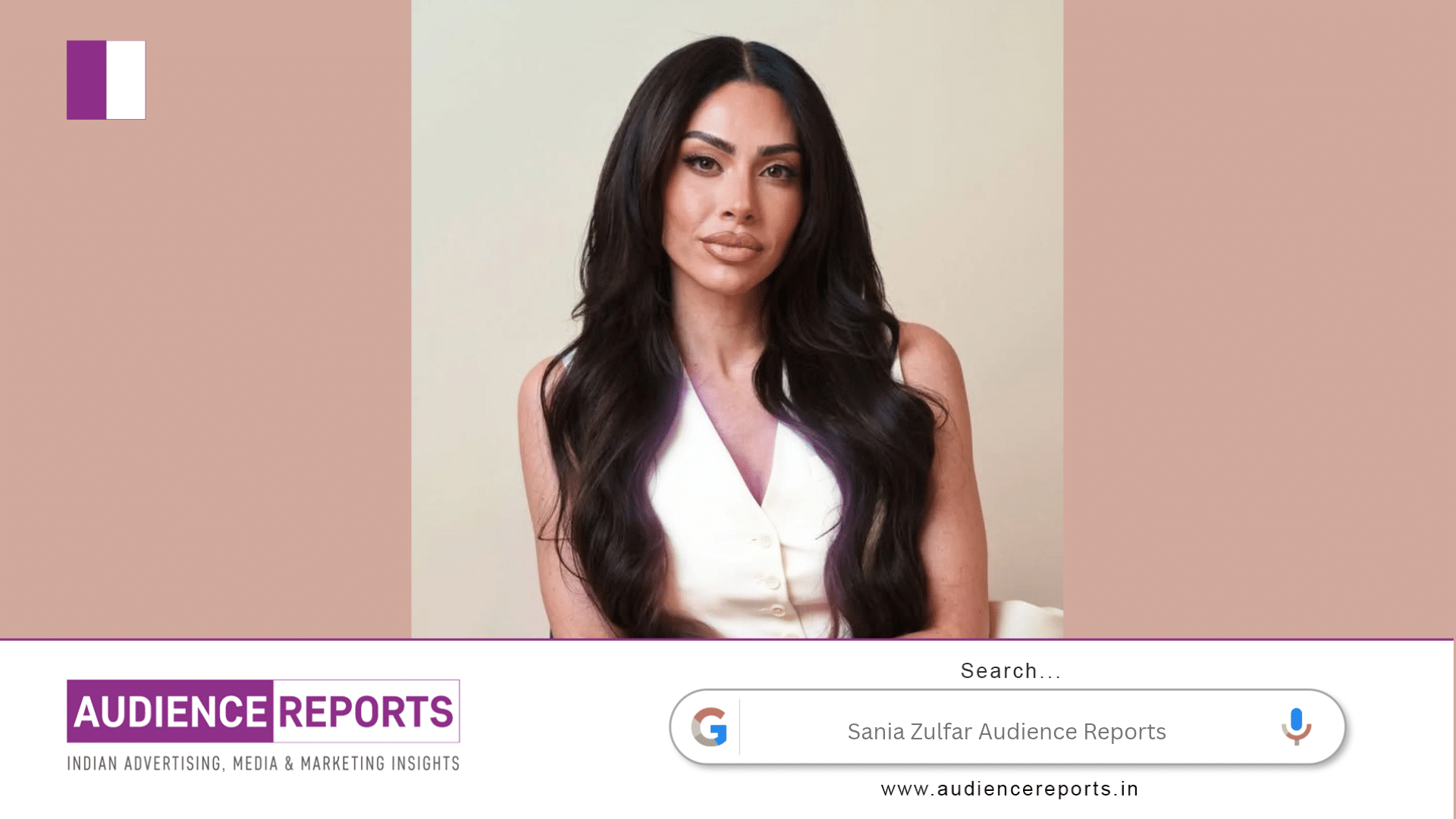
Sania Zulfar believes that building a personal brand requires more than sharing professional knowledge. It requires showing the person behind the expertise. In a world where LinkedIn is filled with business advice, leadership lessons, marketing strategies, and industry insights, what makes someone memorable is often their personality, personal experiences, and the way they communicate their ideas. Sania Zulfar highlights this through her observations of Leila Hormozi’s personal brand and the lessons women coaches, consultants, and founders can learn from it.
The phrase “F*ck your mood. Follow the plan” represents a mindset of discipline and consistency. It is a reminder that progress cannot always depend on motivation. However, Sania Zulfar looks beyond this popular business philosophy. What interests her is how Leila Hormozi combines business expertise with personal stories, opinions, humour, and different aspects of her life. This combination creates a personal brand that feels more complete than a professional profile focused only on business achievements.
Expertise Should Not Become Your Entire Identity
One of the important lessons Sania Zulfar identifies is that professional expertise should not become someone’s entire personality. Many women entrepreneurs build their LinkedIn presence around what they know, what they sell, and the services they provide. While demonstrating expertise is essential for building credibility, constantly sharing technical information can make a personal brand feel repetitive.
People do not connect only with professional qualifications or business strategies. They also want to understand the individual behind the business. They are interested in personal experiences, perspectives, challenges, and the values that influence someone’s decisions.
Sania Zulfar encourages women founders and coaches to create space for these personal elements. A business owner can share lessons from managing a team, experiences from everyday life, opinions about an industry, or even a humorous observation. These details help audiences understand the person rather than seeing only a service provider.
A personal brand becomes stronger when professional knowledge and individual personality work together.
Personal Stories Make a Brand Recognisable
Another significant point in Sania Zulfar’s post is the importance of personal storytelling. Information can establish authority, but stories make information easier to remember.
Consider two business owners sharing the same lesson about discipline. One publishes a list of five productivity tips. The other explains how a difficult experience taught her to follow a schedule even when motivation was missing. Both communicate useful information, but the second approach gives the audience a personal experience to connect with.
Sania Zulfar recognises that personal stories create opportunities for meaningful communication. They allow women entrepreneurs to explain not just what they believe, but why they believe it.
Stories about starting a business, handling difficult clients, making mistakes, learning new skills, or balancing responsibilities can communicate valuable lessons. These experiences do not need to be extraordinary to become meaningful content.
The important factor is authenticity. Sharing personal experiences should not become an exercise in revealing every detail of private life. Instead, entrepreneurs can choose stories that reflect their values, professional journey, and perspective.
Repetition Builds Recognition
Sania Zulfar also highlights a lesson that many content creators overlook: repeating the message they want to be known for.
There is a common belief that successful LinkedIn content requires a completely new topic every day. This pressure often leads founders to experiment with unrelated subjects, constantly changing their communication style and messaging.
However, a recognisable personal brand needs consistency.
If someone wants to be known for leadership, business growth, coaching, or entrepreneurship, those central themes should appear regularly. The examples and stories can change, but the underlying message should remain familiar.
Sania Zulfar points out that entrepreneurs do not necessarily need more ideas. They already have professional expertise, everyday experiences, opinions, and lessons worth sharing. What they need is a consistent way to communicate those ideas.
Repetition does not mean publishing identical posts. It means approaching familiar subjects from different perspectives while maintaining a clear professional identity.
Over time, audiences begin associating particular topics and viewpoints with the individual sharing them.
The Real Challenge Is Finding Time for Content
Perhaps the most practical observation in Sania Zulfar’s post concerns the workload of women running businesses.
Women coaches, consultants, and founders often manage multiple responsibilities simultaneously. They work with clients, supervise teams, make business decisions, develop services, handle administrative tasks, and plan for future growth.
Content creation becomes another responsibility added to an already crowded schedule.
Even when entrepreneurs have valuable ideas, turning those ideas into well-structured LinkedIn posts requires time and effort. They must organise their thoughts, identify the central message, write an engaging opening, develop the content, and make sure the final post reflects their communication style.
This process can become exhausting when repeated consistently.
Sania Zulfar identifies this gap between having something valuable to say and finding the time to communicate it effectively. It is an important distinction because a lack of published content does not necessarily indicate a lack of knowledge or ideas.
Sometimes, the challenge is simply execution.
Why Your Voice Matters More Than Perfect Content
Sania Zulfar’s approach to ghostwriting focuses on preserving the personality of the person behind the content. Her service involves transforming ideas, voice notes, and everyday experiences into LinkedIn posts that sound like the individual rather than generic marketing material.
This is particularly relevant for personal branding.
A professionally written post may have an attractive headline, well-organised paragraphs, and useful information. But if it does not reflect the author’s natural voice, it can create a disconnect between the online personality and the person audiences eventually meet.
Effective ghostwriting should therefore begin with understanding the client’s communication style, opinions, experiences, and professional priorities.
Sania Zulfar’s message suggests that the purpose of content support should not be to replace someone’s personality with polished marketing language. It should make that personality easier to communicate consistently.
The founder remains the source of the ideas. The writing process helps those ideas reach the right audience.
Building Visibility Without Adding More Pressure
The final lesson from Sania Zulfar’s post is that visibility should support business growth rather than become another source of guilt.
Entrepreneurs often understand the importance of showing up online but struggle to maintain consistency. Missing a few posting days can create pressure, and that pressure can make content creation feel even more difficult.
A better approach is to develop a manageable content process. Founders can collect ideas throughout the week, record short voice notes, document experiences, and identify recurring themes in their work. These small habits can create a valuable source of content without requiring them to write every post from scratch.
Sania Zulfar’s perspective encourages women entrepreneurs to separate their responsibility for having a voice from the practical work of publishing that voice.
They do not have to turn every business experience into a lengthy post or follow every trending topic. They need a clear message, meaningful stories, and a communication process they can sustain.
Conclusion: Let People Know the Woman Behind the Business
Sania Zulfar brings attention to an important part of personal branding: people should not have to choose between demonstrating professional expertise and expressing their personality.
A strong LinkedIn presence can include business knowledge, personal experiences, humour, opinions, and lessons learned along the way. These elements do not weaken professional credibility. When shared thoughtfully, they help audiences understand the person behind the business.
For women coaches, consultants, and founders, the goal should not be to create a perfect online personality. It should be to communicate their real professional identity with clarity and consistency.
Sania Zulfar’s message is ultimately about making personal branding more human and manageable. Expertise gives people a reason to pay attention, personal stories give them a reason to connect, and consistent communication helps them remember.
The business may introduce people to the founder, but the founder’s personality, values, and perspective give them something meaningful to remember.
You do not need to become someone else to build a recognisable personal brand. You need to make it easier for people to see who you already are.