


































CHANDAN KUMAR ChisIPALLY highlights an important reality about building a business in the rapidly growing artificial intelligence industry: knowing how to use technology does not automatically mean knowing how to make money from it. Learning another framework, programming language, or AI automation tool might improve technical knowledge, but it does not necessarily bring the first paying client. The real challenge is understanding how to turn technical skills into a service that businesses are willing to purchase.
Today, the internet is filled with courses, tutorials, and videos promising to teach people the latest technologies. From Python and n8n to advanced AI agent frameworks, there is always another tool to explore. While learning is essential, CHANDAN KUMAR ChisIPALLY points out that people can easily become trapped in an endless cycle of preparation. They keep learning because it feels productive, but they postpone the uncomfortable work of finding customers and selling their services.
The Difference Between Learning and Earning
Technical knowledge is valuable, but a business requires more than technical expertise. Someone may understand automation workflows, build AI agents, and develop impressive solutions, yet still struggle to generate revenue. The missing piece is often the ability to identify a business problem and communicate how a solution can address it.
CHANDAN KUMAR ChisIPALLY emphasizes that acquiring clients is one of the most challenging parts of running an AI automation agency. This perspective challenges the popular belief that mastering technology is the biggest obstacle to entering the AI business.
A person can spend months learning different tools without ever speaking to a potential customer. However, a simple conversation with a business owner can reveal problems that technology could solve. Understanding those problems is where a commercial opportunity begins.
Finding Clients Is a Business Skill
Getting the first client requires a different mindset from completing an online course. It involves researching businesses, understanding their operations, identifying inefficiencies, and finding people who are willing to invest in solutions.
Not every business is an ideal customer. Some may have problems but no budget, while others may have sufficient resources but little interest in automation. Learning to identify businesses with both a genuine need and the ability to pay is an important part of building an agency.
CHANDAN KUMAR ChisIPALLY draws attention to a question that aspiring freelancers and agency owners should consider: How do you find a client who has money?
This question moves the conversation beyond technology and into business development. It encourages beginners to understand their target audience, research potential clients, and approach conversations with a clear purpose.
Sales Conversations Matter More Than People Realize
Finding a potential client is only the beginning. The next challenge is conducting a meaningful sales conversation.
Many technically skilled individuals feel confident explaining how their products work but struggle when asked to explain why someone should purchase them. Clients are generally more interested in the results they can achieve than the technical details behind a solution.
A successful sales call should begin with understanding the customer’s current situation. What tasks consume too much time? Where are employees spending unnecessary effort? Which processes create delays? What improvements would make a measurable difference?
CHANDAN KUMAR ChisIPALLY highlights the importance of learning what to say during a sales call. This is a practical reminder that communication is not separate from technical work. It is one of the skills that helps technical expertise become a business opportunity.
Pricing and Delivering What You Promise
Another important challenge is deciding how much to charge. Beginners often underestimate their services because they lack experience negotiating with customers. Some charge too little because they fear rejection, while others struggle to explain the value behind their pricing.
Pricing should reflect the problem being solved, the complexity of the work, the resources involved, and the value delivered to the client. It should also account for ongoing support, maintenance, and improvements where necessary.
CHANDAN KUMAR ChisIPALLY brings attention to what happens after a client says yes. Winning a project is not the final achievement. Delivering the promised outcome, maintaining communication, solving problems, and building trust are equally important.
A satisfied client may become a source of repeat business, referrals, and long-term relationships. Therefore, building an agency requires a complete process rather than simply learning how to acquire customers.
Learning How a Real Agency Operates
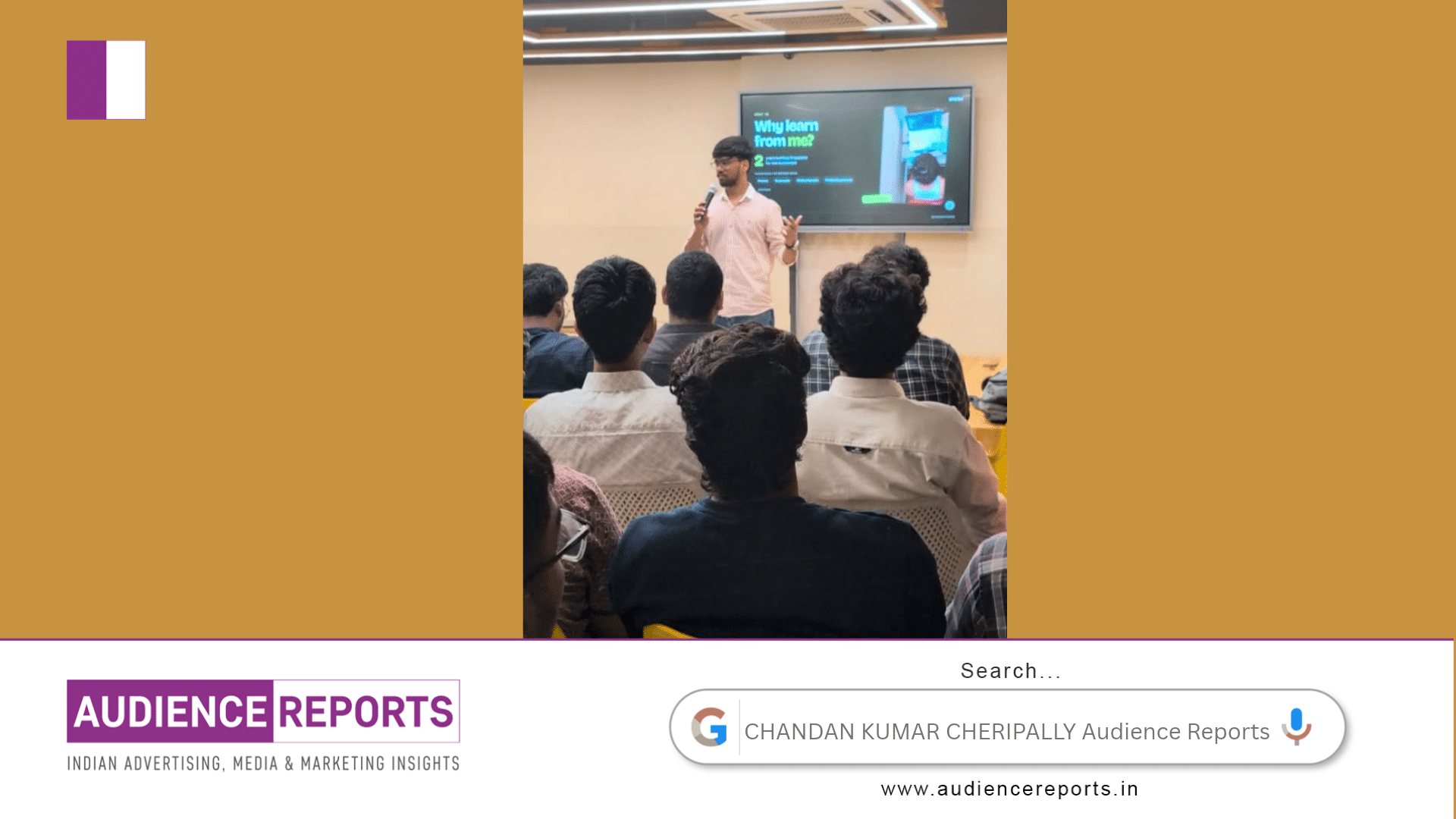
To address this gap, CHANDAN KUMAR ChisIPALLY and his team at Repeatless conducted an offline workshop in Hyderabad. Instead of focusing on coding lessons or demonstrations of individual tools, the workshop concentrated on the business side of AI automation.
The sessions covered how the agency business actually works, how an agency operates daily, what the freelancer journey looks like, and how marketing and sales conversations are managed. Participants also explored how to establish an agency properly.
This approach recognized that aspiring entrepreneurs need practical exposure to the realities of running a business. Online tutorials can explain technical processes, but understanding client communication, project management, pricing, and business operations often requires a broader perspective.
The questions raised by participants provided another important insight. According to CHANDAN KUMAR ChisIPALLY, their questions were not focused on tools. They were focused on finding clients.
That response revealed a gap between what people are learning and what they actually need to move forward.
Stop Preparing Forever and Start Building
One of the biggest obstacles for beginners is the belief that they must become completely prepared before approaching a customer. They wait until they understand every framework, master every tool, and develop perfect technical confidence.
However, business development rarely follows such a predictable path. Real experience comes from interacting with potential customers, understanding their requirements, making proposals, receiving feedback, and improving the service.
CHANDAN KUMAR ChisIPALLY encourages aspiring AI professionals to recognize that technical learning and client acquisition must develop together. Instead of spending all their time watching tutorials, they can begin identifying real business problems and exploring ways to solve them.
This does not mean technical knowledge is unimportant. It means technical learning should have a clear direction. Every new skill should contribute to solving a problem that someone genuinely values.
Building a Business Beyond the Technology
The growth of AI automation is creating opportunities for freelancers, consultants, and agency founders. However, access to technology alone does not guarantee business success. The people who understand customer needs, communicate effectively, price their services responsibly, and deliver consistent results will be better positioned to build sustainable businesses.
Through the perspective shared in his post, CHANDAN KUMAR ChisIPALLY raises a valuable question for anyone entering the AI industry: What is actually stopping you from getting your first paying client?
The answer might not be another missing tool or programming language. It could be a lack of confidence in sales, limited understanding of the market, uncertainty about pricing, or simply hesitation to approach potential customers.
Ultimately, CHANDAN KUMAR ChisIPALLY reminds aspiring entrepreneurs that learning technology is only one part of the journey. Building a business requires taking that knowledge into the market, understanding people, and creating solutions worth paying for.
The next breakthrough may not come from completing another course. It may come from having the first serious conversation with a potential client.