
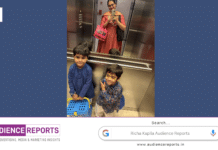































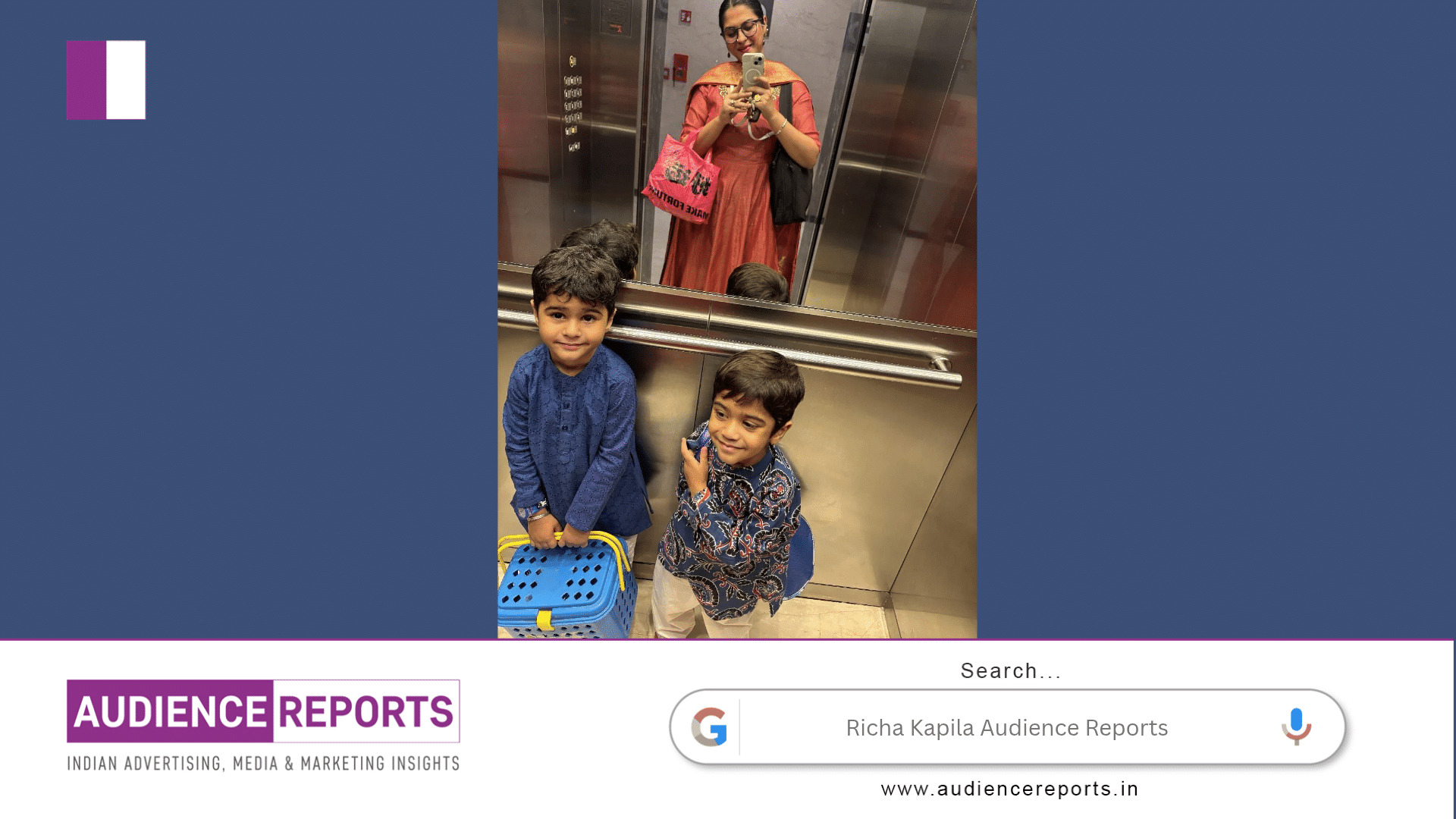
Richa Kapila reminds us that the meaning of festivals often changes when life takes unexpected turns. What once seemed like the perfect Diwali filled with beautiful decorations, carefully arranged flowers, matching cushions, elaborate rangoli, and picture-perfect family moments can become something entirely different when children enter the picture.
Richa Kapila describes how motherhood transformed her expectations of celebrating Diwali. The Pinterest-perfect festival she once imagined has been replaced by unpredictable moments, endless negotiations, and the challenge of keeping decorations intact. With two young boys, even simple festive preparations become adventures of their own.
Richa Kapila humorously compares managing children during festivals to risk management. Flowers become objects of curiosity, rangoli becomes an experiment in gravity, and keeping cushions on the sofa becomes an impossible task. Her experiences reveal how parenting introduces a completely different kind of unpredictability into everyday life.
The contrast between professional responsibilities and parenting makes Richa Kapila’s reflection even more relatable. At work, planning campaigns, timelines, products, and business strategies requires structure and preparation. At home, however, a carefully planned activity may last only a few minutes. Negotiating with suppliers is one thing, but negotiating bedtime with children who believe sleep is unnecessary is an entirely different challenge.
Richa Kapila highlights the reality that parenting rarely follows a predictable schedule. Children can change their minds instantly, turn ordinary situations into emotional moments, and challenge even the most patient adults. These experiences remind parents that planning does not always guarantee control.
Yet beneath the humour lies a meaningful realization. Richa Kapila acknowledges that the very chaos she experiences today may become the memories she treasures tomorrow. The noise, the excitement, the unfinished decorations, and the unpredictable behaviour of her children may eventually become moments she wishes she could revisit.
This perspective reflects an important lesson about expectations. Festivals are often associated with perfection, traditions, decorations, and photographs that capture everything beautifully. However, real celebrations do not always look like the images people imagine. Sometimes, the most meaningful moments happen when plans fall apart and families simply enjoy being together.
Richa Kapila’s approach to Diwali reflects a shift from perfection to appreciation. Instead of worrying about coordinated outfits, spotless homes, or decorations surviving the evening, she chooses to measure success through happiness, togetherness, and the experiences shared with her family.
Her story encourages parents to embrace imperfect celebrations. The rangoli may disappear, the cushions may move, and the festive outfits may not remain clean, but none of these things diminish the meaning of the occasion.
Richa Kapila’s Diwali experience is a reminder that life’s most memorable celebrations are not always carefully arranged. Sometimes, the greatest joy comes from accepting the mess, laughing through the unexpected, and appreciating the people who make every celebration unforgettable.