






























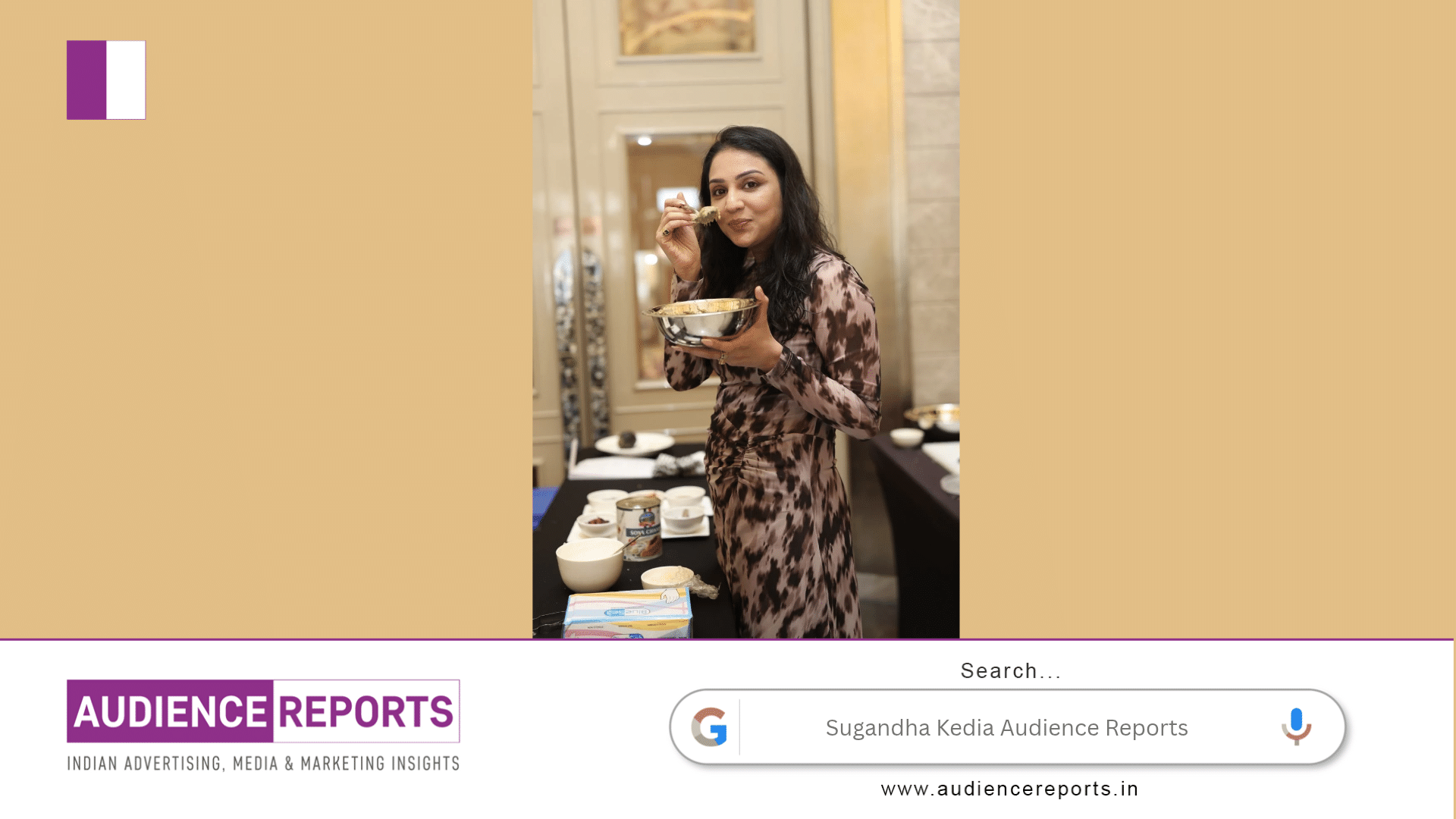
Sugandha Kedia, Founder & CEO of Dusala India, highlights an important lesson in direct-to-consumer business: customers do not always shop by product categories; they shop according to their needs, occasions, and the situations they find themselves in. This distinction can influence how brands design their websites, organise their products, and guide customers toward making decisions.
Sugandha Kedia explains that businesses often organise their digital stores around product categories such as shawls, jackets, capes, stoles, and new arrivals. While this structure makes sense from an inventory perspective, it may not always reflect how customers approach shopping. Customers are more likely to begin with a particular occasion, purpose, or problem they want to solve.
For example, someone shopping for a winter wedding may not immediately search for a shawl. Another customer travelling to a colder destination may want something warm, stylish, and easy to carry. Someone buying a gift for their mother may have an entirely different set of expectations. Sugandha Kedia recognises that these different motivations require a more thoughtful approach to merchandising.
The insight shared by Sugandha Kedia reflects the importance of understanding customer behaviour beyond traditional product classifications. A website that presents products according to real-life situations can help customers discover relevant options more naturally. Instead of asking visitors to browse endless categories, brands can guide them through collections designed around occasions, preferences, and practical needs.
This approach can also reduce friction in the buying journey. When customers know what they need but are unsure which product fits their situation, relevant recommendations can make the decision easier. Sugandha Kedia suggests that questions such as “What should I wear to a winter wedding?” may offer a more meaningful starting point than simply displaying a category labelled “View all shawls.”
For D2C founders, this perspective encourages a shift in thinking. Product organisation is important, but it should not become the only way a business communicates with its customers. The founder’s familiarity with inventory, designs, and collections may naturally influence the website structure. However, customers enter the store with their own priorities, and those priorities may not align with the internal organisation of the business.
Sugandha Kedia’s observation also connects merchandising with customer experience. A website is not merely a digital catalogue; it is a space where customers seek inspiration, compare options, and make decisions. The easier it becomes for them to identify products that fit their needs, the more meaningful the shopping experience can be.
As online competition continues to grow, brands need to think carefully about how they present their offerings. Product quality and pricing remain important, but discoverability and relevance also influence whether customers continue browsing or leave the website. Sugandha Kedia emphasises that connecting inventory with the customer’s real-life context can create a more intuitive shopping journey.
Ultimately, Sugandha Kedia’s message offers a practical lesson for entrepreneurs: businesses may organise products, but customers organise their lives. Successful merchandising begins when brands understand that difference. By designing shopping experiences around occasions, intentions, and customer needs, businesses can make their offerings easier to discover and their buying journeys easier to navigate. The goal is not simply to display products, but to help customers find the right solution at the right moment.