































Aksheena Kankipati stepped into a classroom that was unlike the professional spaces she usually navigates. As a Deputy Manager at Deloitte, Aksheena Kankipati works in an environment where collaboration, strategy, and decision-making are part of everyday responsibilities. Yet the three-day experience she described shows how stepping into a completely different learning setting can quietly reshape the way professionals think about leadership, judgment, and perspective.
For those three days, Aksheena Kankipati found herself sharing a classroom with individuals she might never have met during a typical workweek. The group included IPS officers, institute directors, and managers from a wide range of industries. The diversity of backgrounds created a space where conversations moved beyond the boundaries of a single profession. For Aksheena Kankipati, this was a reminder that meaningful insights often come from voices outside one’s own field.
In most careers, people naturally build circles around familiar expertise. Professionals interact with colleagues who think similarly, face comparable challenges, and operate within the same industry frameworks. Over time, this creates an invisible bubble of shared assumptions. Aksheena Kankipati recognized that the classroom environment gently disrupted this pattern. Hearing the experiences of professionals from entirely different sectors allowed Aksheena Kankipati to see how much perspective can expand when those bubbles are challenged.
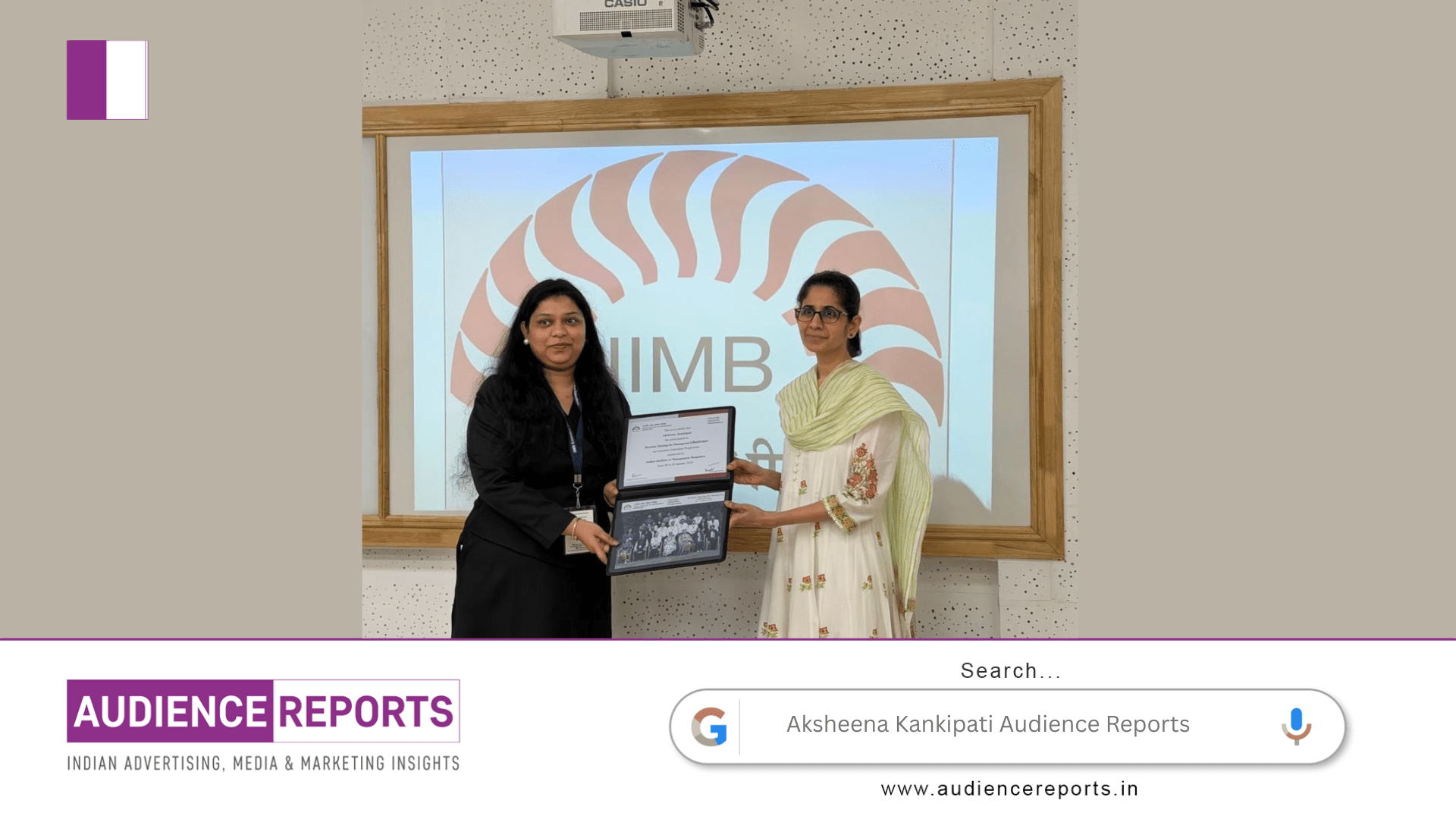
The learning experience took place during the “Decision Making for Managerial Effectiveness” program at the Indian Institute of Management Bangalore. For Aksheena Kankipati, the program was not simply about absorbing academic frameworks. Instead, it provided a structured opportunity to examine how decisions are shaped by bias, assumptions, and organizational culture.
One of the most practical lessons that stayed with Aksheena Kankipati was the importance of framing questions correctly. In many professional situations, the way a question is asked determines the direction of the discussion that follows. Leaders who learn to frame thoughtful questions encourage deeper thinking within their teams. Aksheena Kankipati realized that effective decision-making often begins long before the final choice is made, it starts with the clarity of the problem being examined.
Another insight that resonated strongly with Aksheena Kankipati was the value of consistent reflection. In fast-paced corporate environments, reflection is often overshadowed by deadlines, deliverables, and immediate problem-solving. Yet the program highlighted how reflection sharpens judgment. By taking time to examine experiences regularly, professionals can build stronger awareness of how their decisions evolve over time. For Aksheena Kankipati, this reminder reinforced the idea that reflection should become a daily habit rather than an occasional exercise.
Equally significant was the emphasis on analyzing success with the same seriousness as failure. Many organizations conduct detailed reviews when things go wrong but rarely question why something worked. Aksheena Kankipati recognized that understanding success can reveal hidden patterns of decision-making just as clearly as studying mistakes. This balanced approach allows leaders to build knowledge from both positive and negative outcomes.
The sessions also addressed an emotional dimension of leadership that often goes unspoken, the tendency to take failure personally. In high-responsibility roles, setbacks can feel like direct reflections of personal ability. Through the discussions and shared experiences in the program, Aksheena Kankipati was reminded that failure is better understood as part of the learning cycle rather than a personal judgment. This perspective encourages resilience and allows leaders to respond more objectively when outcomes do not go as planned.
Although the classroom discussions were meaningful, Aksheena Kankipati found that some of the most memorable learning moments happened outside the formal sessions. Long walks across the campus, spontaneous conversations, and shared laughter among participants created a different kind of learning environment. These informal interactions allowed individuals to exchange stories openly, often leading to deeper insights than structured presentations alone.
For Aksheena Kankipati, these moments confirmed something the professors had mentioned at the very beginning of the program, that much of the real learning happens beyond the classroom walls. When professionals step away from formal roles and engage in genuine conversations, they create space for reflection, curiosity, and honest exchange. These interactions helped transform the three-day program into an experience that felt both human and lasting.
Another element that stood out to Aksheena Kankipati was the welcoming atmosphere created by the professors and program directors. Even though the program was short, participants were treated with a sense of inclusion and belonging. This environment encouraged open dialogue and allowed individuals from different professional backgrounds to share their perspectives freely.
Aksheena Kankipati also acknowledged the role of organizational support in enabling such opportunities. Learning programs like this require not only institutional design but also leadership that values continuous development. The encouragement from Deloitte’s leadership reflects an organizational culture that recognizes the importance of investing in professional growth.
For Aksheena Kankipati, the experience was more than a brief academic engagement. It became a moment to pause and reassess how decisions are approached in professional life. In demanding roles, such pauses are rare but essential. They allow professionals to realign their thinking and return to their responsibilities with renewed clarity.
As Aksheena Kankipati returned to her work after the program, the lessons remained relevant beyond the classroom setting. The reminders to question assumptions, reflect regularly, and remain open to diverse viewpoints are not limited to leadership theory. They are practical principles that influence everyday decisions.
Ultimately, Aksheena Kankipati’s reflection highlights an important truth about professional development. Sometimes the most meaningful shifts in thinking happen quietly, through conversations, shared experiences, and thoughtful learning environments. For Aksheena Kankipati, those three days created more than memories, they offered a perspective that will likely influence how she approaches leadership and decision-making in the years ahead.
Experiences like this do not simply conclude when the course ends. As Aksheena Kankipati observed, some lessons remain long after the classroom is empty. They stay in the background of everyday decisions, gradually shaping the way professionals think, respond, and grow.