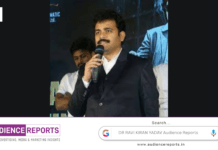

















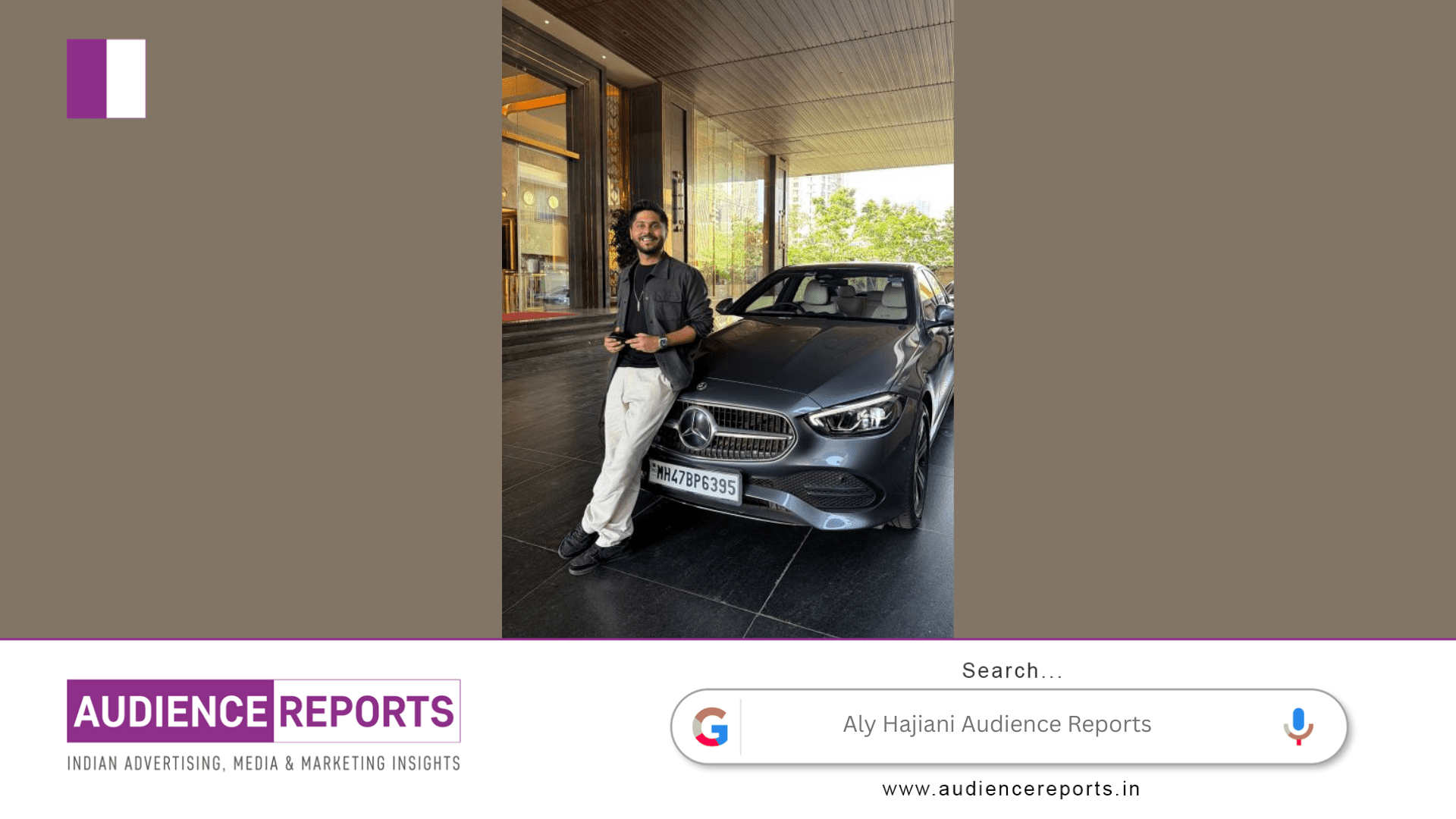
Aly Hajiani built his message around something many people misunderstand about success: luck is rarely random. It often comes after years of movement, effort, uncertainty, and repeated attempts that nobody notices. His journey from driving his grandfather’s Maruti Alto to owning a Mercedes C200 is not simply a story about money or luxury. It is a reminder that growth usually happens quietly before it becomes visible.
Aly Hajiani – shared a timeline that many professionals can relate to. In 2016, he started with what was available to him. By 2022, he bought a Volkswagen Polo, a purchase he considered practical and meaningful. He believed that car would stay with him for almost a decade because that was the realistic expectation at the time. But by 2026, life had shifted faster than expected, and he found himself achieving a dream he once considered distant.
What makes the reflection from Aly Hajiani – interesting is not the car itself. The real value lies in the way he explains the process behind the outcome. Instead of presenting success as a perfectly designed plan, he speaks about uncertainty, consistency, and the willingness to keep showing up even when results are not immediate.
Many people believe progress follows a straight line. They imagine that successful individuals always had a master strategy from the beginning. Aly Hajiani – challenges that assumption. He openly admits there was no perfect roadmap leading to a luxury car or rapid financial growth. What existed instead was continuous effort combined with openness to opportunities.
That distinction matters because modern professional culture often pressures people into believing they must have every detail figured out early in life. The reality is far more unpredictable. Careers evolve unexpectedly. Opportunities appear through conversations, risks, and connections that nobody could fully forecast in advance.
Aly Hajiani – highlights an important truth when he says that hard work and skill development are necessary but not sufficient on their own. This observation reflects the modern professional environment accurately. Thousands of talented individuals work hard every day, yet outcomes differ dramatically. The missing factor is often exposure to opportunities.
The idea that “getting lucky” is also a skill may sound unusual at first, but it carries deep meaning. Aly Hajiani – explains luck as a probability game rather than a miracle. People increase their chances of meaningful breakthroughs by staying active, meeting others, entering unfamiliar spaces, and continuing to participate even after repeated disappointments.
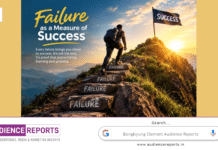
This perspective changes the way failure should be understood. Most unsuccessful attempts are not wasted efforts. They are part of building probability. Every conversation, project, introduction, or risk slightly increases the chance of eventually finding the right opportunity.
Aly Hajiani – reminds readers that networking is not always immediately rewarding. In fact, many interactions may lead nowhere. However, one connection can suddenly create exponential growth. That is how many careers, businesses, and partnerships actually develop. Rarely through one perfect plan, but through consistent participation over time.
The message also speaks to persistence in a realistic way. Persistence is often romanticized online as endless motivation and confidence. But Aly Hajiani – presents persistence differently. He frames it as continuing despite uncertainty. Continuing without guarantees. Continuing when nothing seems to be changing yet.
That idea is especially important for young professionals who compare themselves constantly to others online. Social media usually displays only the visible result: the promotion, the business milestone, the luxury purchase, or the public recognition. What remains hidden are the years of uncertainty, rejection, slow improvement, and repeated attempts behind those moments.
Aly Hajiani – indirectly addresses this gap between appearance and reality. His story moves across a decade, not a few months. It reflects gradual evolution rather than overnight transformation. The timeline matters because sustainable progress often takes longer than expected before suddenly accelerating.
One of the strongest insights in the post is the statement about people quitting somewhere between attempt 50 and attempt 200. Aly Hajiani – points toward a difficult reality: most breakthroughs happen after long periods where nothing appears to work. Many individuals stop too early because they mistake temporary stagnation for permanent failure.
This applies beyond careers and money. The same principle affects entrepreneurship, creativity, learning, fitness, relationships, and personal development. Growth is frequently invisible during the middle stage. There are long stretches where effort seems disconnected from reward. Yet those periods are often preparing the foundation for future opportunities.
Aly Hajiani – also emphasizes the importance of putting yourself in environments where growth can happen. Opportunities rarely arrive while remaining isolated. They emerge through participation. Through conversations. Through showing up consistently even when confidence feels low.
That mindset requires humility because entering unfamiliar rooms often feels uncomfortable. Many people avoid opportunities because they fear not belonging. Aly Hajiani – argues that progress frequently begins exactly in those uncomfortable situations. Confidence is not always present at the start. Sometimes it develops only after repeated exposure.
The broader lesson from Aly Hajiani – is not about chasing luxury symbols. The Mercedes is simply a visible marker representing years of invisible progress. The deeper message is about maintaining momentum long enough for opportunity and preparation to finally intersect.
His reflection resonates because it avoids pretending that success is purely self-made while also refusing to reduce achievement entirely to luck. Instead, Aly Hajiani – presents success as a combination of preparation, persistence, skill-building, visibility, and timing. People cannot fully control outcomes, but they can control whether they continue placing themselves where opportunities may appear.
In the end, the story shared by Aly Hajiani – encourages patience without passivity. It reminds readers that uncertainty is not proof of failure. Sometimes the most important thing a person can do is continue moving, continue learning, and continue participating long enough for the next opportunity to finally arrive.