


































Chandra Prakash Tiwari understands a challenge that many professionals and entrepreneurs face but rarely discuss openly: being judged before being heard. In a world where first impressions often shape conversations, people frequently make assumptions based on appearance, age, background, or personality. While these judgments may seem harmless, they can influence opportunities, relationships, and professional credibility.
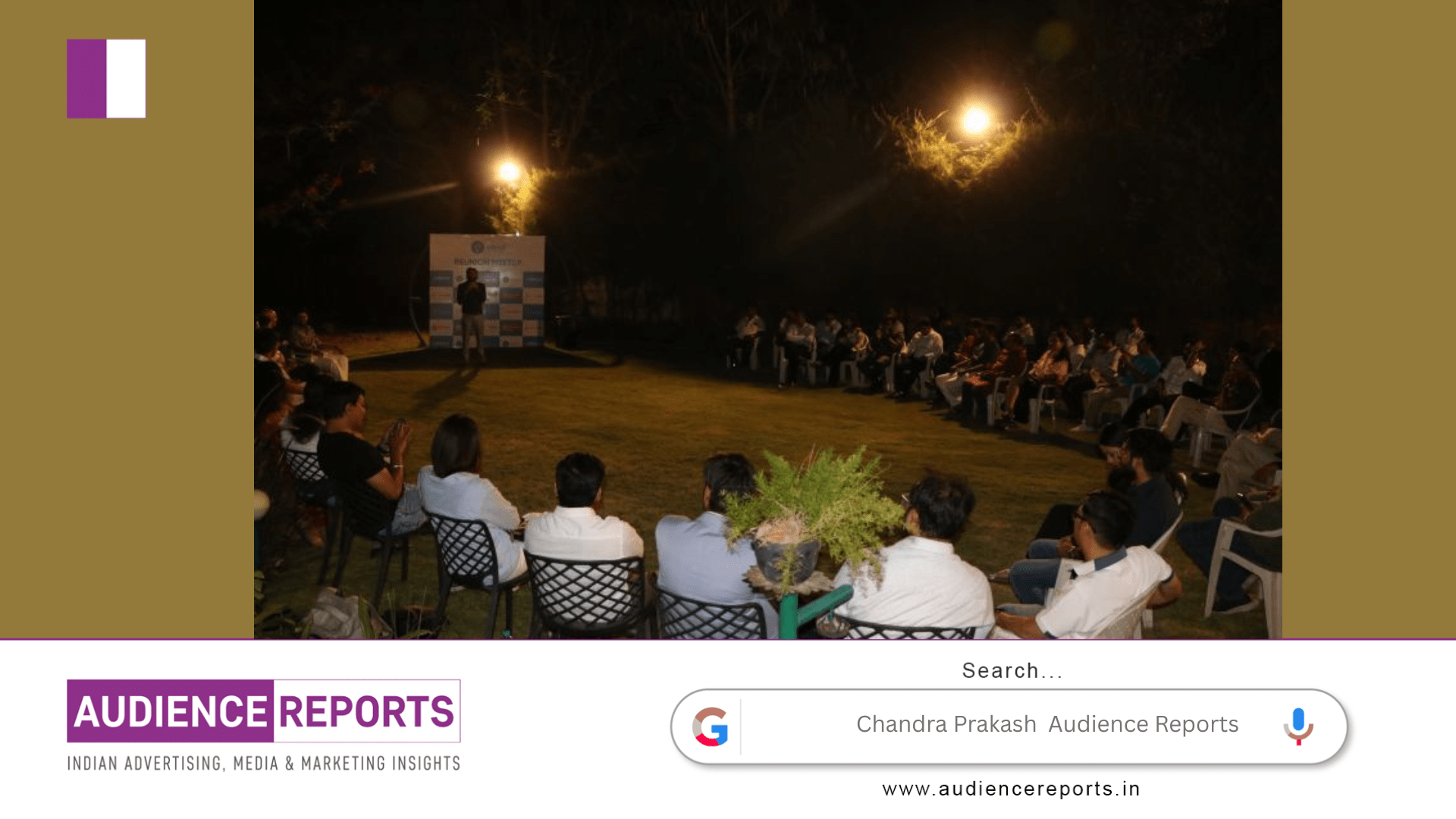
For Chandra Prakash Tiwari, this reality became especially visible during a founder event where conversations about entrepreneurship, systems, and business growth were overshadowed by assumptions about his age. Despite running a profitable IT business for several years and building successful ventures, people still viewed him through the lens of how young he appeared rather than what he had accomplished.
Chandra Prakash Tiwari, highlights an important lesson that extends far beyond entrepreneurship. People often rely on visible characteristics to form quick opinions. It happens in boardrooms, networking events, classrooms, interviews, and even everyday interactions. Sometimes individuals are considered too young, too inexperienced, too quiet, or too different to fit the expectations others have created in their minds.
The challenge with assumptions is that they often prevent meaningful conversations from happening. Instead of listening to ideas, people focus on appearances. Instead of evaluating results, they evaluate perceptions.
Chandra Prakash Tiwari, shares an experience that many ambitious professionals can relate to. When someone questions your credibility before understanding your work, the natural reaction is to defend yourself. You want to present achievements, numbers, credentials, and proof. You want to demonstrate that you belong in the room.
However, constant self-defense can become exhausting. Every interaction turns into an attempt to earn validation from people who have already decided what they believe.
What makes the perspective of Chandra Prakash Tiwari, valuable is the realization that not every opinion deserves a response. Not every assumption requires correction. Some people will always search for reasons to dismiss others. If age is not the reason, they may focus on experience. If experience is not the issue, they may focus on education, location, communication style, or background.
There will always be another reason for skepticism.
This understanding creates a shift in mindset. Instead of investing energy in convincing everyone, professionals can focus on creating work that speaks for itself.
Chandra Prakash Tiwari, emphasizes the importance of leading with outcomes rather than explanations. Results have a unique ability to remove doubt. A successful project, a satisfied client, a growing business, or a well-designed system often communicates credibility more effectively than any introduction ever could.
This approach does not mean ignoring challenges or avoiding conversations. It simply means recognizing where effort creates the greatest impact. Rather than trying to win every debate, successful individuals often concentrate on building something undeniable.
Another significant takeaway from the experience of Chandra Prakash Tiwari, is the importance of patience. Recognition rarely happens instantly. Many people expect their accomplishments to be understood immediately, but trust and respect are often earned over time.
The first conversation may not change someone’s perception. The second might not either. Yet consistent performance eventually becomes difficult to ignore.
History provides countless examples of innovators, founders, creators, and leaders who faced similar situations. Many were underestimated because they did not match conventional expectations. Some were considered too young. Others were considered too inexperienced. What ultimately changed opinions was not argument—it was execution.
Chandra Prakash Tiwari, reminds us that credibility is often built through consistency rather than persuasion. Every project completed, every problem solved, and every promise delivered adds another layer of trust.
This lesson is especially relevant in today’s digital and entrepreneurial landscape. People are increasingly judged through brief interactions, online profiles, and surface-level observations. As a result, assumptions can form quickly and spread easily.
Yet meaningful success still follows the same principles it always has. Skills matter. Results matter. Reliability matters. Long-term value matters.
The story shared by Chandra Prakash Tiwari, also encourages professionals to focus on finding the right audience. Not everyone will appreciate your expertise, and not everyone will recognize your value immediately. Some people may never move beyond their initial assumptions.
That is perfectly acceptable.
The people who genuinely matter are those willing to listen, evaluate ideas fairly, and recognize effort when they see it. These individuals become collaborators, clients, mentors, partners, and supporters.
Instead of trying to gain approval from everyone, successful professionals learn to invest their energy in relationships where mutual respect exists.
Chandra Prakash Tiwari, demonstrates that confidence does not come from proving others wrong at every opportunity. True confidence comes from continuing to build, improve, and deliver regardless of external opinions.
There is a quiet strength in allowing achievements to speak on your behalf. It requires discipline, patience, and self-belief. It also requires understanding that external validation is temporary, while meaningful work creates lasting impact.
Ultimately, Chandra Prakash Tiwari, offers a reminder that many people need to hear: assumptions are inevitable, but they do not define potential. People may misjudge your age, appearance, background, or experience. They may form opinions before hearing your story.
What matters most is what happens next.
The strongest response is not always immediate correction. Often, it is consistent action. It is continuing to build, create, solve problems, and deliver results.
Over time, achievements become the evidence that assumptions could never predict. And when the work speaks clearly enough, people stop focusing on how someone looks and start paying attention to what they have accomplished.
That is where lasting credibility begins.