


































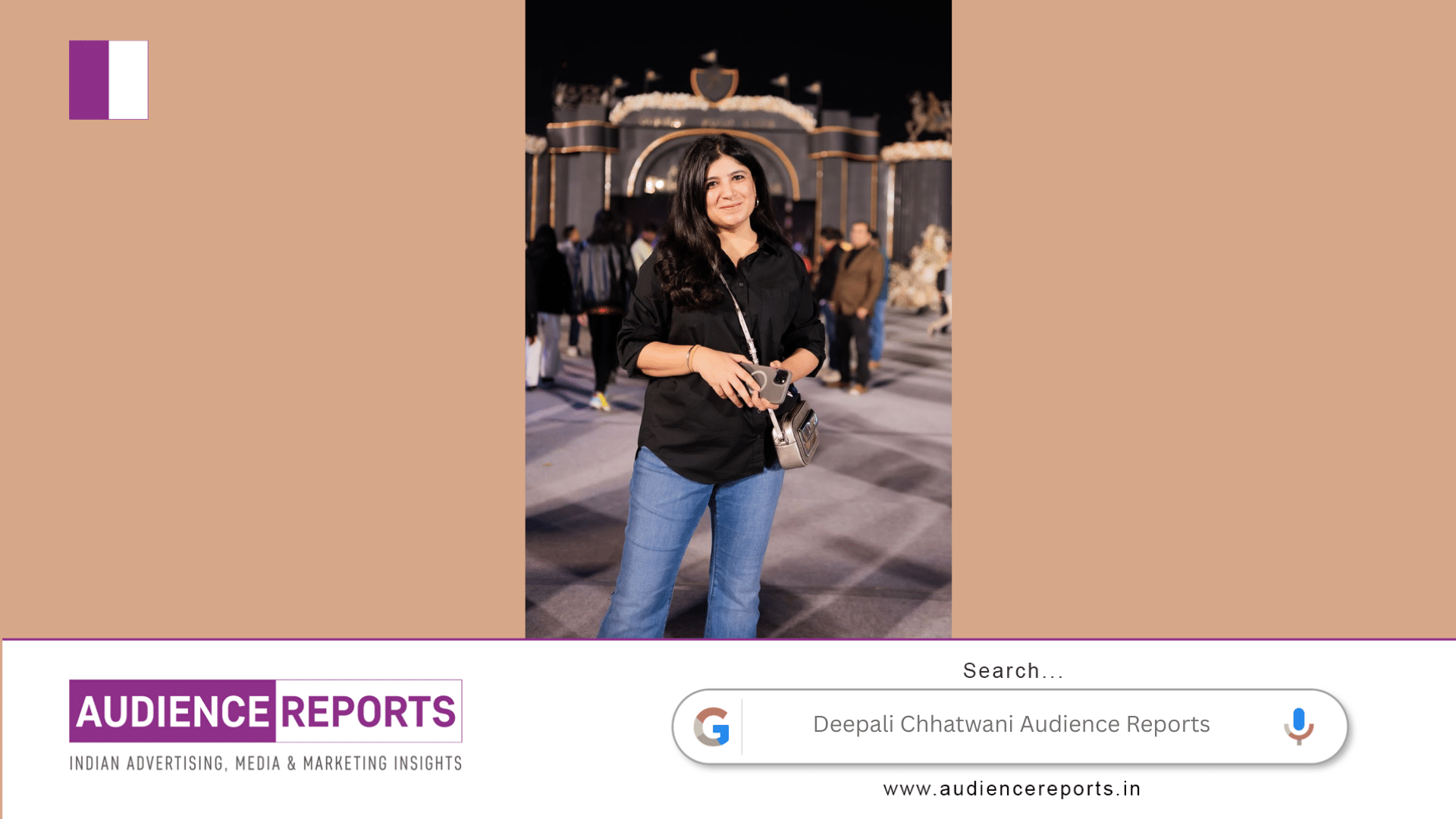
Deepali Chhatwani understands a problem that many entrepreneurs experience but often overlook: being visible does not automatically mean being remembered, and sending more messages does not automatically create more conversations. In her LinkedIn post, Deepali Chhatwani breaks down why cold DMs frequently fail and offers a simple alternative start with the other person instead of starting with yourself.
The common cold DM usually follows a predictable pattern. Someone introduces their business, explains their service, mentions how they help people, and ends with an invitation to connect. On the surface, it appears professional. But Deepali Chhatwani points out the missing element: relevance. The recipient has little reason to care because the message is built entirely around the sender’s objective.
This observation is important for entrepreneurs trying to build relationships online. Deepali Chhatwani’s approach shifts the purpose of the first message. Instead of treating a DM as a shortened sales pitch, she treats it as the beginning of a conversation.
That distinction changes everything.
Deepali Chhatwani recommends beginning with something specific about the person receiving the message. It could be a particular LinkedIn post, an idea they shared, or something they said that genuinely caught attention. This is more meaningful than generic praise such as “I love your content.” Specificity demonstrates that the sender actually looked at the person’s work.
For Deepali Chhatwani, the next step is explaining why that particular idea stayed with you. This does not require a long explanation. One genuine sentence is enough. The objective is not to impress the recipient with sophisticated language. It is to show that their thinking created a real response.
This principle extends beyond cold outreach. It applies to networking, partnerships, sales, hiring, community building, and personal branding. People are more likely to engage when they feel that the conversation is about something relevant to them rather than another person’s agenda.
The third part of Deepali Chhatwani’s framework is particularly useful: ask a question that the recipient would actually enjoy answering.
There is a major difference between asking a question and asking for something. “Can we schedule a call?” is an ask. “What made you choose that approach?” is a conversation starter. One immediately creates an obligation; the other creates an opportunity to share an opinion.
Deepali Chhatwani does not suggest removing business goals from networking. Instead, she separates the timing of those goals from the first interaction. A relationship does not have to begin with a transaction.
Her fourth point is perhaps the hardest for many marketers to follow: stop after the question.
No link.
No calendar.
No pitch deck.
No paragraph explaining the company’s achievements.
No request for a meeting.
Deepali Chhatwani’s framework recognizes something fundamental about attention. Every additional sentence in a cold message creates another opportunity for the recipient to decide that the interaction requires too much effort. A short, relevant message respects their time and leaves space for them to respond naturally.
This is also where patience becomes part of communication strategy. Entrepreneurs often approach outreach with an immediate conversion mindset. They send a message expecting a meeting, a lead, a partnership, or a sale. When that response does not arrive, they assume the message failed.
Deepali Chhatwani presents another way to think about the process. The first message does not need to close anything. Its job can simply be to open a door.
That mindset can make outreach more human.
Deepali Chhatwani’s advice also highlights the difference between personalization and personalization theater. Adding someone’s first name to a generic template is not meaningful personalization. Mentioning a specific idea from their work is different because it requires attention. The recipient can immediately recognize whether the sender actually engaged with what they created.
For entrepreneurs who feel like they are constantly shouting into crowded digital spaces, this is a useful lesson. Visibility is not only about publishing more content. It is also about learning how to respond thoughtfully to the content other people create.
Deepali Chhatwani’s message ultimately points toward a broader principle: relationships are built through curiosity before they are built through transactions.
A strong network is not simply a collection of people who have received your pitch. It is a collection of people with whom meaningful conversations have developed over time.
That does not mean every conversation will become a business opportunity. In fact, Deepali Chhatwani explicitly leaves room for that possibility. The pitch may come later, if it comes at all. Sometimes the other person may become curious and ask about the sender’s work first. Sometimes the conversation may simply remain a conversation.
And that is perfectly reasonable.
Deepali Chhatwani’s framework is valuable because it removes unnecessary pressure from the first interaction. Instead of asking, “How can I get this person to buy, book, connect, or respond?” the sender can begin with a simpler question: “What about this person’s work genuinely interests me?”
That question changes the quality of outreach.
For entrepreneurs trying to stop being the “best-kept secret,” Deepali Chhatwani offers a practical lesson. Being discovered is not only about talking about yourself more. It can also come from becoming better at noticing others, asking better questions, and creating conversations where people actually want to participate.
Deepali Chhatwani’s cold-DM framework is simple, but its underlying principle is broader than messaging. Lead with relevance. Show genuine curiosity. Remove unnecessary pressure. Give the other person room to respond.
Because sometimes the most effective way to introduce yourself is to begin by showing that you were paying attention to someone else.