
























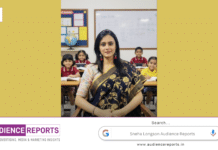









Divya Agrawal shares a reality that many parents quietly experience every day. A parent wakes up with the intention of staying calm, patient, and understanding. They remind themselves that today will be different. Yet a child’s refusal, an unexpected outburst, or a moment of defiance can quickly trigger reactions that feel difficult to control. The result is often frustration followed by guilt. Through her recent reflections, Divya Agrawal highlights an important truth: parenting challenges are not always about knowledge or love; they are often connected to emotional regulation.
Parenting is one of the most meaningful responsibilities a person can take on. It brings moments of joy, pride, and connection. At the same time, it can also bring stress, uncertainty, and emotional exhaustion. Every parent wants to respond thoughtfully to their children, but real-life situations do not always allow time for careful reflection. In demanding moments, reactions can happen automatically.
Divya Agrawal, emphasizes that many parents mistakenly believe their struggles stem from a lack of patience or capability. When they react in ways they later regret, they often blame themselves. However, this perspective overlooks an important factor: the role of the nervous system. Stress affects how people think, feel, and respond. Understanding this can transform the way parents view their own behavior.
Divya Agrawal, points out that when stress levels rise, the nervous system naturally shifts into a protective state. This response is designed to help individuals handle perceived threats. While this mechanism is useful in dangerous situations, it can become challenging when triggered during everyday parenting interactions. A child’s emotional outburst may not be a threat, but a stressed parent’s brain may react as though immediate action is required.
As a result, parents may raise their voices, become impatient, or respond more harshly than they intended. These reactions are often followed by feelings of regret. The cycle repeats itself, leaving parents questioning their abilities and wondering why staying calm feels so difficult. Divya Agrawal, encourages parents to move beyond self-judgment and begin understanding the science behind these reactions.
One of the most valuable lessons from this perspective is that emotional regulation is a skill rather than a personality trait. Many people assume that calm parents are naturally patient, while others simply struggle. In reality, emotional regulation can be learned, practiced, and strengthened over time. Just as children develop skills through repetition, parents can also develop healthier emotional responses through awareness and consistent effort.
Divya Agrawal, reminds parents that emotional regulation does not mean suppressing emotions. It does not require pretending that frustration, disappointment, or stress do not exist. Instead, it involves recognizing emotions as they arise and responding intentionally rather than impulsively. This ability allows parents to maintain connection with their children even during difficult moments.
Modern parenting often comes with additional pressures that previous generations may not have faced in the same way. Many parents balance professional responsibilities, household management, financial concerns, and caregiving duties simultaneously. The constant demand to perform across multiple areas of life can leave little room for rest and recovery. Divya Agrawal, highlights how these accumulated stressors can influence parenting interactions, making emotional regulation even more important.
A calm response from a parent can significantly impact the atmosphere within a home. Children often learn emotional patterns by observing the adults around them. When parents model self-awareness and emotional control, children gain valuable examples of how to manage their own feelings. Divya Agrawal, underscores that a calmer parent often contributes to a calmer household environment.
Building emotional regulation requires intentional practice. Simple habits such as pausing before responding, taking deep breaths, acknowledging emotions, and creating moments of self-care can make a meaningful difference. These strategies may seem small, but over time they strengthen the ability to respond thoughtfully during challenging situations. Divya Agrawal, encourages parents to focus on progress rather than perfection.
Another important aspect of emotional regulation is self-compassion. Parents frequently extend understanding and forgiveness to others while being highly critical of themselves. When mistakes happen, they may replay incidents repeatedly and focus on what they should have done differently. Divya Agrawal, suggests that recognizing mistakes as opportunities for growth can create a healthier mindset and reduce unnecessary guilt.
Parenting is not about maintaining perfect composure every moment of every day. Occasional frustration and emotional reactions are part of being human. What matters is the willingness to reflect, learn, and repair when necessary. Children benefit greatly from seeing adults take responsibility for their actions and demonstrate healthy ways of handling emotions. Divya Agrawal, highlights that these moments can become valuable learning experiences for both parents and children.
The conversation around parenting is gradually shifting from focusing solely on children’s behavior to understanding the emotional experiences of parents as well. This broader perspective acknowledges that parenting success is not measured by flawless responses but by continuous growth and connection. Divya Agrawal, contributes to this important discussion by encouraging parents to view emotional regulation as a skill that can be developed rather than a standard they must instantly achieve.
Ultimately, the message shared by Divya Agrawal, offers reassurance to parents navigating everyday challenges. Difficult reactions do not define a parent’s character or commitment. By understanding the role of stress, developing emotional awareness, and practicing regulation skills, parents can create healthier relationships with both their children and themselves. Divya Agrawal, reminds us that a calmer home begins not with perfection, but with understanding, self-awareness, and the willingness to keep learning.