


































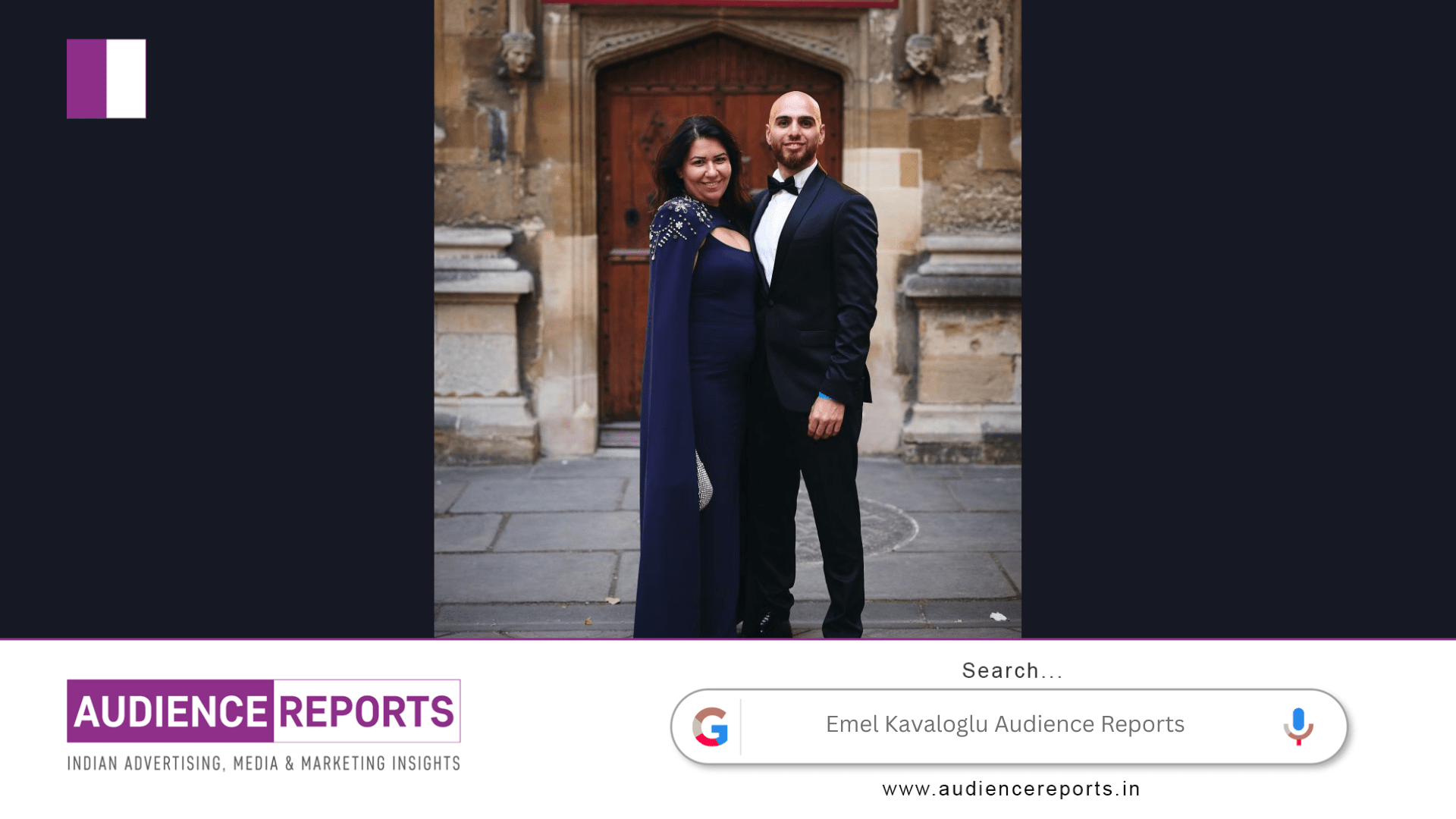
Emel Kavaloglu shares a perspective that challenges one of the most common pieces of business advice: never mix business with pleasure. While many entrepreneurs are warned against working closely with spouses or family members, her experience as Co-Founder at TAMradar offers a thoughtful look at what happens when personal and professional lives intersect in the pursuit of a shared vision.
Emel Kavaloglu begins by acknowledging the reactions people often have when they hear that she co-founded a technology startup with her husband. Some people view it as a heartwarming partnership, while others see it as a recipe for constant conflict. The reality, as her experience suggests, lies somewhere in between. Building a company is already a demanding journey, and doing so alongside a spouse introduces a unique set of opportunities and challenges.
One of the most important lessons highlighted by Emel Kavaloglu is the need for boundaries. Entrepreneurs often speak about work-life balance, but achieving it becomes even more complicated when both partners work on the same business. Conversations about product development, strategy, customer acquisition, and company growth can easily extend beyond office hours and into personal time.
Emel Kavaloglu, emphasizes the importance of intentionally separating business discussions from personal moments. Her “No Board Meetings at Dinner” rule is a practical reminder that relationships require space outside of work. Without boundaries, professional responsibilities can dominate every interaction, leaving little room for personal connection. This lesson applies not only to spouses working together but also to anyone who finds themselves constantly connected to work.
Another significant insight from Emel Kavaloglu revolves around handling disagreements. Conflict is inevitable in any startup environment. Founders must make difficult decisions under pressure, often with limited information and competing priorities. Differences in opinion are natural and can even strengthen decision-making when managed effectively.
Emel Kavaloglu, points out that success in such partnerships requires the ability to separate ideas from emotions. Critiquing a strategy should not be interpreted as criticizing a person. This distinction is essential in both business and personal relationships. When feedback becomes personal, communication breaks down. When feedback remains focused on solving problems, disagreements become opportunities for improvement.
The concept of transparency also plays a central role in the approach described by Emel Kavaloglu. Many workplace conflicts arise because people hesitate to express concerns openly. They may soften feedback to avoid tension or remain silent to preserve harmony. However, unresolved concerns often create larger problems later.
Emel Kavaloglu, demonstrates that honest communication can strengthen collaboration. When individuals trust that feedback is intended to improve outcomes rather than attack character, they can engage in productive discussions even during periods of disagreement. This level of openness requires emotional maturity and mutual respect.
Trust emerges as perhaps the most powerful theme in the experience shared by Emel Kavaloglu. In the startup world, uncertainty is constant. Markets shift, customer needs evolve, and unexpected obstacles appear regularly. During these moments, founders depend heavily on the people around them.
Emel Kavaloglu, explains that working with a spouse provides a unique advantage because trust already exists at a deep level. There is less concern about hidden agendas, conflicting motivations, or divided loyalties. Both individuals share the same commitment to the company’s success and understand the risks involved. This alignment can create a strong foundation for navigating difficult periods.
The experience described by Emel Kavaloglu also highlights a broader truth about entrepreneurship. Building a company is rarely an individual achievement. Behind every successful venture is a network of people who contribute support, ideas, and resilience. Whether those individuals are co-founders, family members, mentors, or employees, relationships often play a decisive role in long-term success.
Emel Kavaloglu, reminds aspiring entrepreneurs that partnerships should not be judged solely by conventional rules. Every relationship is different, and what works for one team may not work for another. The key is understanding the dynamics involved and creating systems that support both the business and the individuals behind it.
Another valuable takeaway from Emel Kavaloglu is the recognition that entrepreneurship affects every aspect of life. Startups demand energy, focus, and persistence. For couples building a business together, these demands can intensify because professional and personal responsibilities are deeply interconnected. Success requires continuous effort to maintain balance and prevent one area from overwhelming the other.
Emel Kavaloglu, also demonstrates the importance of adaptability. As businesses grow, founders must evolve their communication styles, responsibilities, and expectations. The ability to adjust and learn together can be just as important as technical expertise or market knowledge.
The story shared by Emel Kavaloglu is not simply about working with a spouse. It is about building structures that allow trust, communication, and respect to thrive under pressure. These principles are relevant to any team striving toward ambitious goals.
Emel Kavaloglu, shows that successful partnerships are not defined by the absence of conflict but by the ability to navigate conflict constructively. They are not built on constant agreement but on shared commitment and mutual understanding.
Ultimately, Emel Kavaloglu, offers an important reminder that entrepreneurship is a human endeavor. Behind every strategy, product roadmap, and business decision are relationships that shape the journey. When trust is strong, communication is honest, and boundaries are respected, even the most demanding challenges become more manageable.
Emel Kavaloglu, illustrates that while working with a spouse may not be the right path for everyone, it can provide unique strengths when approached thoughtfully. Her experience encourages entrepreneurs to focus less on rigid rules and more on building the habits, trust, and communication systems that allow both businesses and relationships to grow together.