























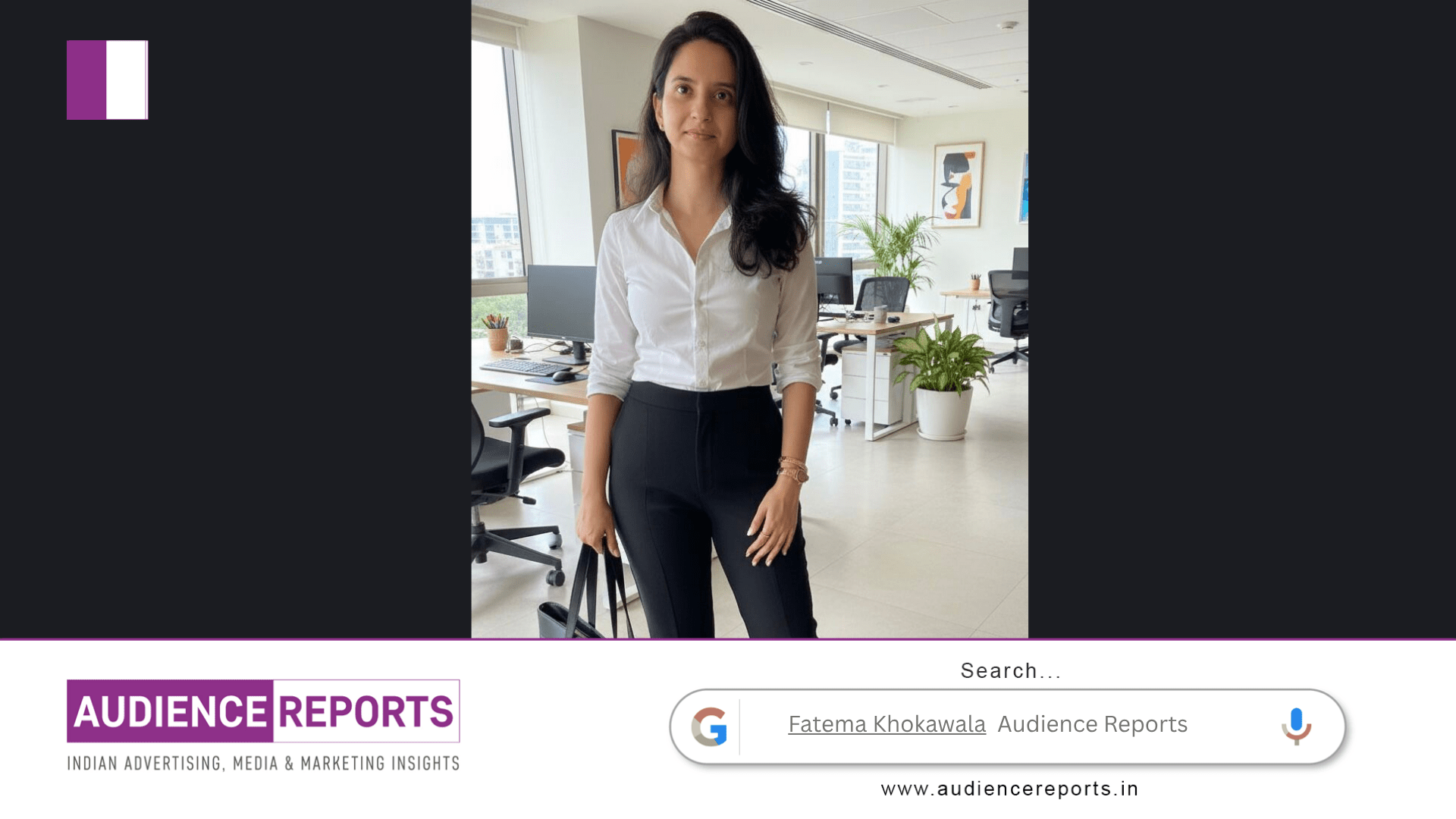
Fatema Khokawala is pointing to a shift that many businesses are still underestimating, not because it is subtle, but because it challenges everything they have spent years mastering. The idea that people no longer “search” in the traditional sense but instead “ask” is not just a change in behavior, it is a restructuring of how decisions are made. Fatema Khokawala highlights a reality where the journey from curiosity to purchase is compressed into a single interaction, often mediated by artificial intelligence.
Fatema Khokawala draws attention to something deceptively simple: users are no longer browsing ten blue links. They are asking direct, intent-driven questions. When someone types “which laptop should I buy under 80k,” they are not looking for exploration; they are looking for resolution. Fatema Khokawala underscores that AI tools now provide a single, confident answer, eliminating the need for comparison-heavy research. This fundamentally alters how visibility works.
For years, brands have been trained to compete for attention within search engine results. Fatema Khokawala reminds us that SEO was built on the assumption that users would evaluate multiple options. Websites were optimized to attract clicks, blogs were written to rank, and backlinks were treated as signals of authority. Fatema Khokawala points out that this entire ecosystem depends on users navigating through choices. But when AI gives one answer, the competitive field collapses into a winner-takes-all scenario.
Fatema Khokawala is not suggesting that traditional strategies are irrelevant overnight, but she is clearly signaling that their dominance is fading. When AI becomes the first point of interaction, the role of a website changes. Instead of being a discovery platform, it becomes a validation checkpoint. Fatema Khokawala emphasizes that by the time a user visits a brand’s website, the decision is often already made. This means the real competition happens before the click, inside the AI-generated response.
This is where Fatema Khokawala introduces the idea of Answer Engine Optimization (AEO). Unlike SEO, which focuses on ranking within a list, AEO is about becoming the answer itself. Fatema Khokawala frames this as a strategic shift rather than a tactical adjustment. Brands are no longer optimizing for algorithms that rank pages; they are optimizing for systems that synthesize information and deliver conclusions.
Fatema Khokawala also hints at a gap in awareness, particularly in markets where digital marketing conversations are still heavily SEO-centric. While global discussions around AI-driven discovery are accelerating, Fatema Khokawala notes that many brands are still focused on improving rankings, running ads, and building social media presence without questioning whether these efforts influence AI recommendations. This disconnect could lead to a significant loss of visibility.
One of the more challenging implications Fatema Khokawala raises is the loss of control. In traditional marketing, brands could influence perception through content, design, and messaging. With AI acting as an intermediary, the narrative is shaped by how the system interprets available data. Fatema Khokawala suggests that brands must now think beyond direct communication and consider how they are represented across the broader digital ecosystem.
Fatema Khokawala is effectively urging brands to rethink their presence. It is no longer enough to exist online; brands must exist in a way that AI systems recognize as authoritative and relevant. This involves structured data, consistent messaging, credible mentions, and a clear value proposition. Fatema Khokawala implies that the brands which adapt quickly will not just gain visibility but will define categories.
Another layer to Fatema Khokawala’s observation is the change in user trust. When people ask AI for recommendations, they are outsourcing decision-making. Fatema Khokawala highlights that this trust shifts the responsibility from users evaluating options to brands ensuring they are the chosen answer. This raises questions about how trust is built and maintained in an AI-driven environment.
Fatema Khokawala also challenges the idea that good advertising or strong social media presence alone can secure success. While these elements still matter, Fatema Khokawala makes it clear that they do not guarantee inclusion in AI-generated answers. The criteria for selection are different, and often less transparent. This requires brands to experiment, analyze, and adapt continuously.
What makes Fatema Khokawala’s perspective particularly relevant is its timing. The shift she describes is already happening, but it is not yet fully acknowledged. Fatema Khokawala is not predicting a distant future; she is describing a present that many have not recognized. This creates both a risk and an opportunity. Brands that ignore the shift may find themselves invisible, while those that engage with it early can establish dominance.
Fatema Khokawala ultimately leaves brands with a critical question: are they showing up in the answers that matter? This is not just about visibility but about relevance in a new decision-making framework. Fatema Khokawala is encouraging a proactive approach, brands actively shape how they are perceived by AI systems rather than reacting after the fact.
In essence, Fatema Khokawala is reframing the conversation around digital presence. The move from search to answers is not a minor evolution; it is a fundamental change in how information is accessed and decisions are made. Fatema Khokawala makes it clear that adapting to this shift is not optional for brands that want to remain competitive. The challenge now is not just to be found, but to be chosen, instantly, confidently, and consistently.