


































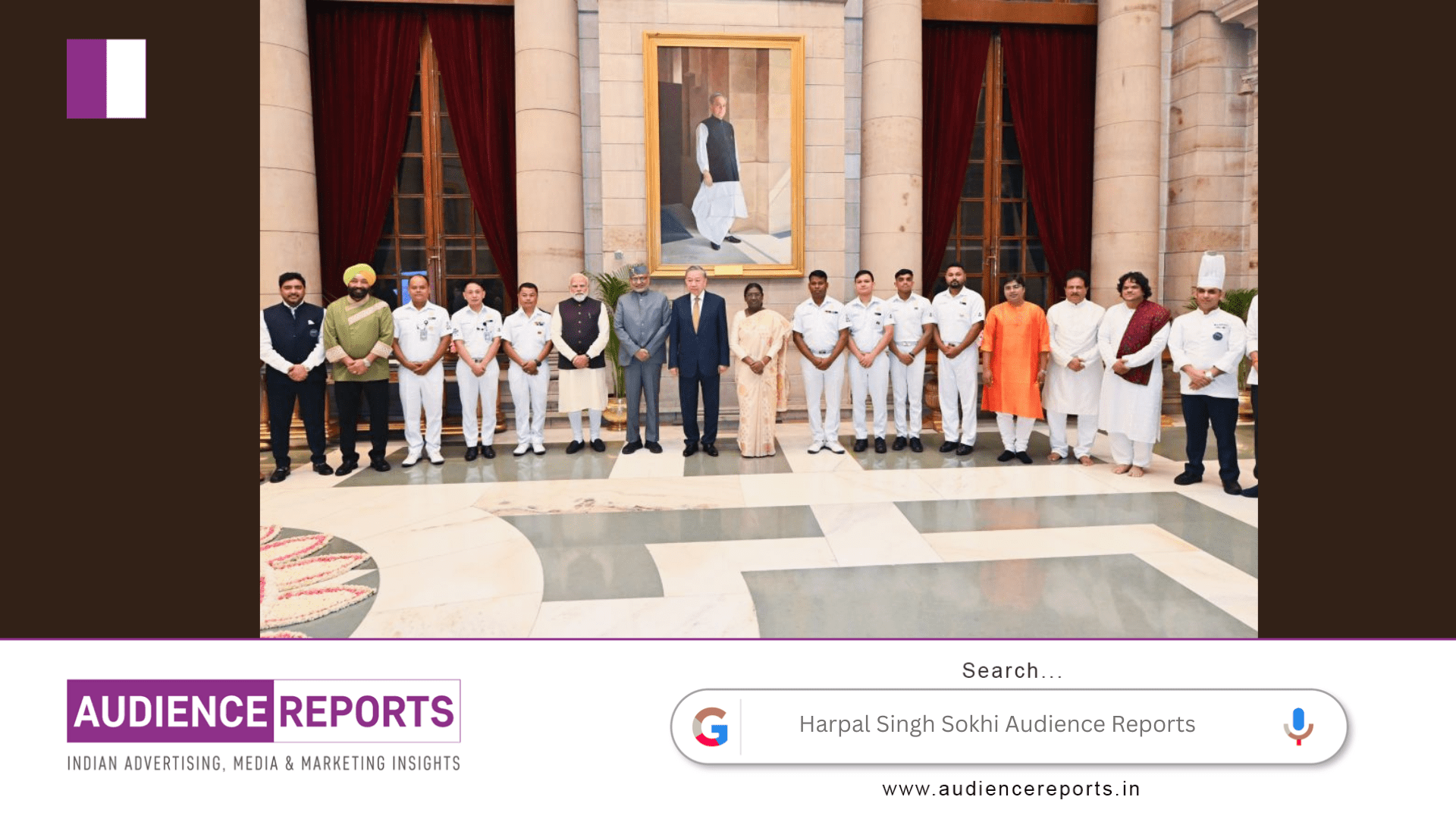
Harpal Singh Sokhi stands at an important intersection of food, culture, and national identity. As Director at TURBAN TADKA HOSPITALITY PRIVATE LIMITED, Harpal Singh Sokhi has consistently highlighted the value of regional Indian cuisine in a rapidly globalizing culinary world. His recent participation in the prestigious State Banquet hosted at Rashtrapati Bhavan for the President of Vietnam, Tô Lâm, reflects more than personal achievement. It demonstrates how food can become a bridge between nations, traditions, and people.
Harpal Singh Sokhi was entrusted with curating a special culinary experience during an event attended by the Hon’ble President of India, Droupadi Murmu, and the Hon’ble Prime Minister of India, Narendra Modi. Such occasions are not simply about serving meals. They represent diplomacy, trust, and cultural storytelling at the highest level. Harpal Singh Sokhi becoming the selected chef for this collaboration reveals how deeply regional Indian cuisine is now being recognized as part of India’s global identity.
One of the most meaningful aspects of this achievement is the emphasis Harpal Singh Sokhi placed on teamwork. Rather than presenting the banquet as an individual accomplishment, he highlighted the contribution of his Karigars and the entire Karigari family. This perspective matters because traditional Indian cooking has always been rooted in collective craftsmanship. Behind every carefully prepared dish lies the knowledge of generations, the discipline of skilled cooks, and the patience required to preserve authenticity.
Harpal Singh Sokhi chose to represent the culinary traditions of Punjab and Haryana, two regions with distinct food cultures that together showcase both richness and simplicity. Punjabi cuisine is widely celebrated for its robust flavors, smoky tandoor techniques, and layered spice combinations. Haryanvi cuisine, on the other hand, reflects restraint and nourishment through balanced seasoning and wholesome ingredients. By bringing these traditions together, Harpal Singh Sokhi demonstrated that Indian cuisine cannot be reduced to a single style or flavor profile.
The significance of this banquet extends beyond the event itself. India’s regional cuisines are increasingly gaining attention across international dining spaces, but true representation requires authenticity. Harpal Singh Sokhi approached the responsibility by focusing on heritage rather than trend-driven presentation. In many modern culinary environments, traditional recipes are often simplified or altered for commercial appeal. Harpal Singh Sokhi instead used the opportunity to showcase the depth and integrity of North Indian culinary traditions without losing their original spirit.
Another important lesson from Harpal Singh Sokhi’s journey is the role of cultural confidence. Indian cuisine has often been celebrated internationally for popular staples, yet many regional traditions remain underrepresented on global platforms. By curating a menu inspired specifically by Punjab and Haryana, Harpal Singh Sokhi reinforced the idea that local food traditions deserve international visibility. Regional cuisines carry stories of agriculture, climate, migration, festivals, and family practices. When presented thoughtfully, they become a form of cultural documentation.
Harpal Singh Sokhi also highlighted the emotional dimension of hospitality. Indian dining traditions have always centered on warmth, generosity, and human connection. At a State Banquet of this scale, hospitality becomes symbolic. Every dish reflects not only technical skill but also the nation’s approach to welcoming guests. Harpal Singh Sokhi’s contribution therefore represented more than culinary expertise. It reflected India’s long-standing belief that food can strengthen relationships and create memorable shared experiences.
The phrase “mother of all collaborations,” used by Harpal Singh Sokhi to describe the event, captures the scale of responsibility involved. Collaborations at this level require coordination between culinary teams, protocol officials, hospitality experts, and event organizers. Success depends on precision, adaptability, and consistency under immense pressure. Harpal Singh Sokhi’s ability to navigate such an environment reflects years of professional discipline and dedication to his craft.
What makes this milestone especially inspiring is that Harpal Singh Sokhi continues to advocate for traditional methods and authentic ingredients even as the food industry changes rapidly. Contemporary dining trends often prioritize visual presentation and novelty. Yet enduring culinary impact comes from preserving flavor integrity and respecting regional identity. Harpal Singh Sokhi’s banquet menu reminded audiences that traditional cooking techniques still hold relevance and prestige on the world stage.
Harpal Singh Sokhi’s participation in this historic banquet also carries meaning for young chefs and hospitality professionals across India. It sends a message that regional expertise can lead to national and international recognition. Many aspiring chefs feel pressure to imitate global dining trends in order to succeed. Harpal Singh Sokhi’s journey shows that staying rooted in one’s culinary heritage can be equally powerful and influential.
The banquet at Rashtrapati Bhavan ultimately became a celebration of India’s cultural depth and culinary craftsmanship. Harpal Singh Sokhi used the platform to showcase the richness of Indian regional cuisine while honoring the collective effort of his team. His contribution demonstrated that food can serve as diplomacy, storytelling, and cultural preservation at the same time.
As India’s culinary landscape continues to gain worldwide attention, professionals like Harpal Singh Sokhi play a critical role in shaping how the country is represented internationally. Through dedication to authenticity, respect for tradition, and commitment to excellence, Harpal Singh Sokhi continues to demonstrate how regional Indian cuisine can command admiration on the nation’s most prestigious tables.