




























Helen Wada stands at an interesting intersection of leadership, family, and personal conviction. In a world where professional success is often measured in titles and metrics, the story shared by Helen Wada offers a different perspective, one that blends ambition with reflection and responsibility. Her recent post about a 16-year journey is not simply about milestones or achievements. Instead, it is about the gradual shaping of identity through work, motherhood, uncertainty, and persistence.
When Helen Wada looks back over sixteen years, she is not describing a neat timeline of progress. Rather, Helen Wada points to a period filled with transitions that many professionals experience but rarely articulate openly. The arrival of her son Zac, delivered through an emergency C-section, marked a moment where personal life and professional ambition collided in an immediate and undeniable way. For Helen Wada, this moment was not just the start of motherhood; it also became the beginning of a longer process of self-examination about what meaningful work actually looks like.
The support Helen Wada received through a maternity coach sponsored by KPMG appears to have played a formative role in that early stage. Programs like this often aim to help professionals return to work with confidence, yet in the case of Helen Wada, the experience seems to have sparked a broader period of learning. Helen Wada describes it as a journey of discovery, suggesting that the lessons went beyond balancing schedules or managing expectations. Instead, the process encouraged Helen Wada to reconsider how leadership, family, and personal growth could coexist rather than compete.
Balancing demanding work with raising children is frequently discussed but rarely captured honestly. Helen Wada acknowledges that the path was not straightforward. The phrase “the juggle” that Helen Wada references resonates with many professionals who attempt to navigate high-pressure careers while maintaining a strong presence at home. Helen Wada’s reflection includes moments of doubt, frustration, and emotional strain, experiences that tend to remain invisible in traditional career narratives.
What stands out in Helen Wada’s reflection is not the claim of mastering this balance, but the recognition that the struggle itself shapes perspective. Helen Wada speaks openly about moments when she questioned whether the effort was worthwhile. That honesty matters because it highlights the reality that long-term professional development often unfolds alongside personal uncertainty. Helen Wada’s story suggests that resilience is not a single decisive moment but a series of choices made repeatedly over time.
Another important theme in Helen Wada’s reflection is the changing conversation around family and work. Helen Wada points to the growing acceptance of paternity leave and the broader recognition that family responsibilities should not fall on one parent alone. By acknowledging this shift, Helen Wada connects personal experience with a wider cultural movement inside organizations. For leaders, these changes are not simply policy updates; they represent evolving expectations about empathy, inclusion, and sustainability in the workplace.
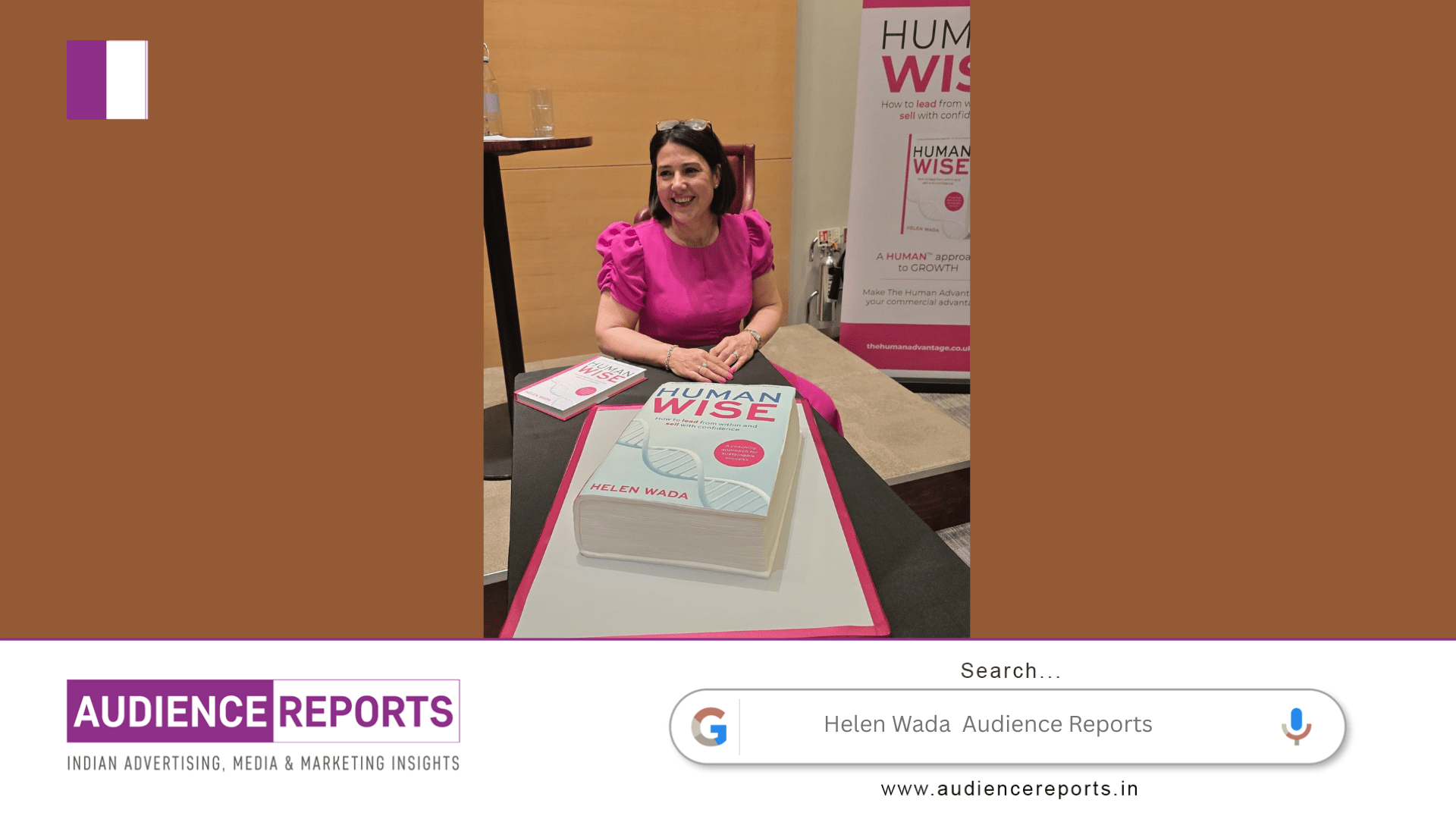
As the founder of The Human Advantage, Helen Wada has built her work around understanding human behavior in professional environments. Her upcoming book, HUMAN-WISE: How to Lead from Within and Sell with Confidence, appears to draw heavily from lived experience rather than purely theoretical frameworks. The opening dedication to her sons, Zac and Tom, illustrates how deeply personal motivations can influence professional output. For Helen Wada, leadership seems to begin with self-awareness rather than external authority.
In her message, Helen Wada also addresses the concept of limiting beliefs. This idea appears frequently in leadership and personal development discussions, but Helen Wada frames it in a grounded way. The challenge is not simply external barriers; often the greatest obstacle is the quiet assumption about what is possible. Helen Wada suggests that individuals frequently place restrictions on their own ambitions long before circumstances require it.
This observation aligns with the broader message Helen Wada shares with her son as he turns sixteen. The milestone is symbolic, marking the passage of time but also reinforcing the idea that potential expands when individuals allow themselves to imagine new directions. Helen Wada’s encouragement, “dream big and believe in yourself”, might sound simple, yet within the context of her sixteen-year reflection it carries a deeper meaning. It is advice shaped by experience rather than optimism alone.
The story Helen Wada tells is also about long timelines. In professional culture there is often pressure to demonstrate rapid success. Promotions, launches, and recognition are expected to happen quickly. Helen Wada’s journey suggests something different. Sixteen years passed between the moment she began questioning her direction and the moment she prepares to launch a book that represents those accumulated insights. Helen Wada reminds readers that meaningful work often develops slowly, influenced by life events that cannot be predicted or planned.
Equally significant is the openness Helen Wada expresses toward others. Her message that “it’s never too late to start” reflects a belief that ideas and contributions are not limited by age, timing, or previous career paths. Helen Wada’s willingness to keep her door open, both metaphorically and professionally, signals a collaborative mindset that many leaders aim to cultivate but rarely communicate so plainly.
Ultimately, the reflection shared by Helen Wada is not a victory speech or a polished career summary. Instead, Helen Wada offers a snapshot of a long, evolving process that includes both progress and doubt. By connecting motherhood, leadership, and self-belief, Helen Wada illustrates how professional purpose often grows out of personal experiences rather than existing separately from them.
For readers encountering this story, the takeaway is less about replicating the exact path Helen Wada followed and more about recognizing the value of persistence and reflection. Sixteen years can transform not only a career but also the way someone understands work, family, and impact. Through her journey, Helen Wada demonstrates that leadership often begins quietly, with questions, small decisions, and the willingness to keep moving forward even when the direction is still taking shape.