

































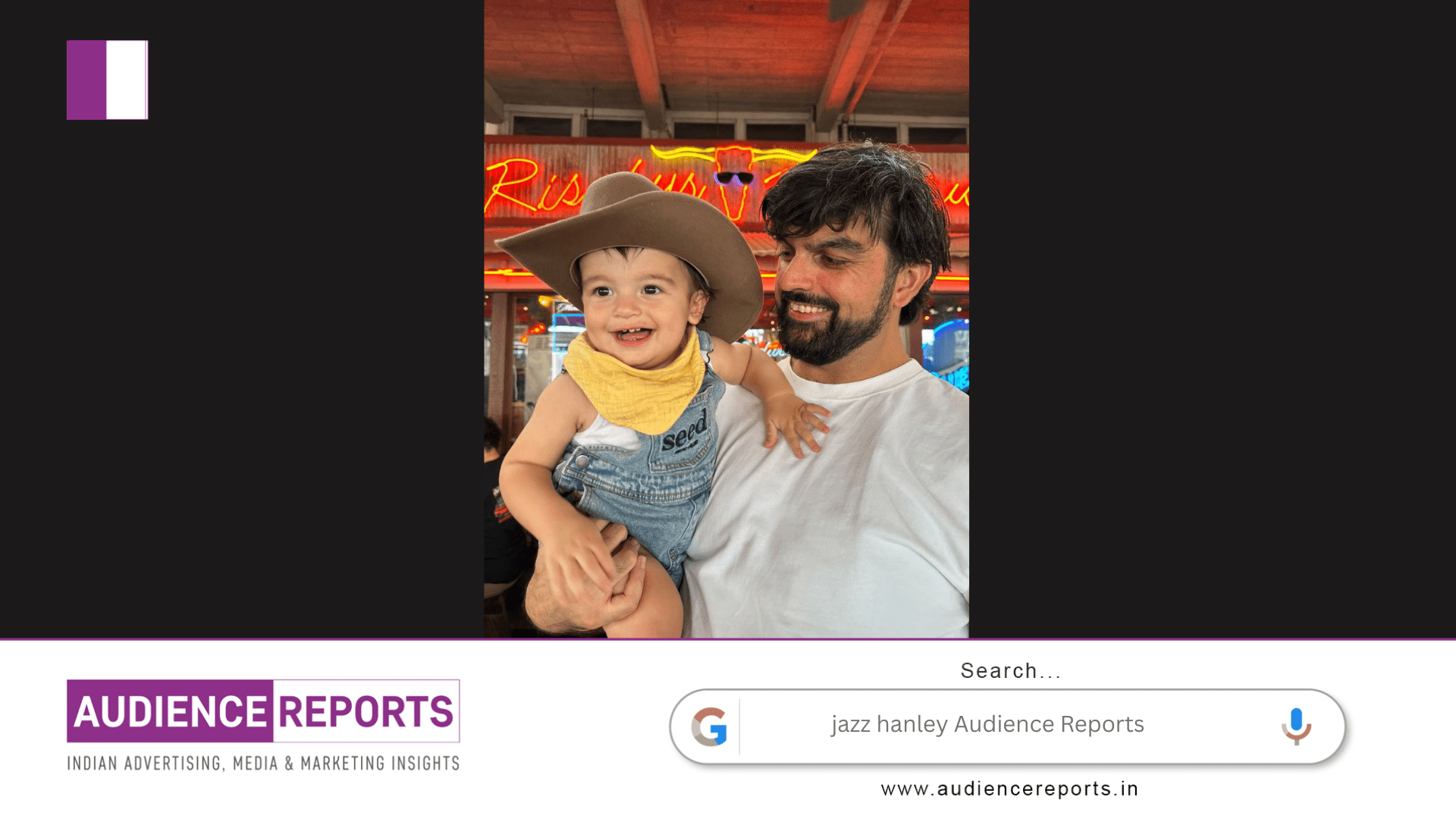
Jazz Hanley begins his reflection not with grand claims about artificial intelligence, but with something far more grounded: time, curiosity, and a willingness to rethink habits. Jazz Hanley uses his paternity leave not only as a period for family, but also as an opportunity to sharpen how he engages with AI tools. That choice itself says something important. Growth rarely comes from urgency alone; sometimes it comes from creating space to explore without pressure. Jazz Hanley shows that even in a fast-moving domain like AI, intentional learning matters more than passive usage.
For Jazz Hanley, the starting point is not technology, but thinking. He points out that AI has already been part of his workflow, especially as a way to refine ideas. Voice notes, in particular, become a bridge between raw thought and structured communication. Jazz Hanley recognizes a common challenge: many people think more clearly than they write. By speaking freely and letting AI help shape those thoughts into clarity, Jazz Hanley highlights a practical use case that is both simple and effective. It’s not about replacing thinking; it’s about enhancing it.
Yet Jazz Hanley does not stop at comfort. He admits that despite using AI frequently, his approach had remained largely unchanged for a year. That honesty is significant. Many professionals adopt tools quickly but fail to evolve how they use them. Jazz Hanley confronts this stagnation directly. Instead of assuming competence, he chooses to deepen his understanding. This decision reflects a mindset that values progress over familiarity, something that becomes increasingly critical in a landscape where tools evolve faster than habits.
Jazz Hanley’s exploration spans multiple platforms, each with its own strengths and limitations. By experimenting with different tools, Jazz Hanley moves beyond surface-level usage into comparative understanding. This approach is practical rather than theoretical. It’s not about which tool is “best” in general, but which tool works best for specific tasks. Jazz Hanley focuses on how these systems can make work sharper, quicker, and more effective. That framing keeps the exploration grounded in outcomes rather than novelty.
At the same time, Jazz Hanley acknowledges the overwhelming noise surrounding AI. Everyone is talking about it, but not everyone is using it effectively. This distinction is crucial. Awareness does not equal understanding. Jazz Hanley emphasizes the importance of cutting through the hype to identify what actually delivers value. This requires time, attention, and a willingness to test assumptions. It also requires accepting that not every tool will meet expectations.
One of the more candid aspects of Jazz Hanley’s reflection is his experience with limitations. His observations about rate limits, particularly in tools he otherwise enjoys, bring balance to the conversation. Jazz Hanley does not dismiss the tool outright, nor does he ignore its shortcomings. Instead, he questions how to work around constraints and whether the limitations are a result of usage patterns or platform design. This kind of inquiry is practical and necessary. Tools are only as useful as their reliability, and Jazz Hanley highlights that friction can quickly disrupt productivity.
Jazz Hanley’s curiosity extends beyond his own experience. He actively seeks perspectives from others, asking how they are using AI, what is genuinely helpful, and what might be overhyped. This openness reflects a collaborative approach to learning. AI is not a static skill; it is an evolving practice shaped by shared insights. Jazz Hanley understands that individual experimentation is valuable, but collective knowledge can accelerate understanding.
There is also an understated theme in how Jazz Hanley approaches this journey: balance. While the focus is on AI, the context is paternity leave, a time traditionally associated with family and personal connection. Jazz Hanley does not frame his learning as a trade-off, but as a complement. This suggests that growth does not have to come at the expense of personal life. Instead, it can coexist when approached thoughtfully.
Another important takeaway from Jazz Hanley’s reflection is the idea of intentional skill-building. AI tools are often marketed as intuitive and easy to use, but Jazz Hanley challenges that assumption. True effectiveness requires effort. Understanding what each tool does well, where it falls short, and how to integrate it into workflows takes time. Jazz Hanley treats this process as a skill to be developed rather than a shortcut to be exploited.
Jazz Hanley also implicitly addresses a broader professional challenge: staying relevant in a rapidly changing environment. By proactively investing time in learning, Jazz Hanley positions himself not just as a user of technology, but as someone who understands its practical implications. This distinction matters. Tools will continue to change, but the ability to evaluate and adapt will remain valuable.
In the end, Jazz Hanley’s reflection is not about mastering AI in a definitive sense. It is about engaging with it thoughtfully, questioning assumptions, and continuously refining how it is used. Jazz Hanley demonstrates that progress is not always about dramatic breakthroughs; sometimes it is about small, deliberate improvements in how we think and work.
Jazz Hanley leaves us with a simple but powerful idea: understanding tools requires more than using them, it requires stepping back, exploring deeply, and staying curious.