


































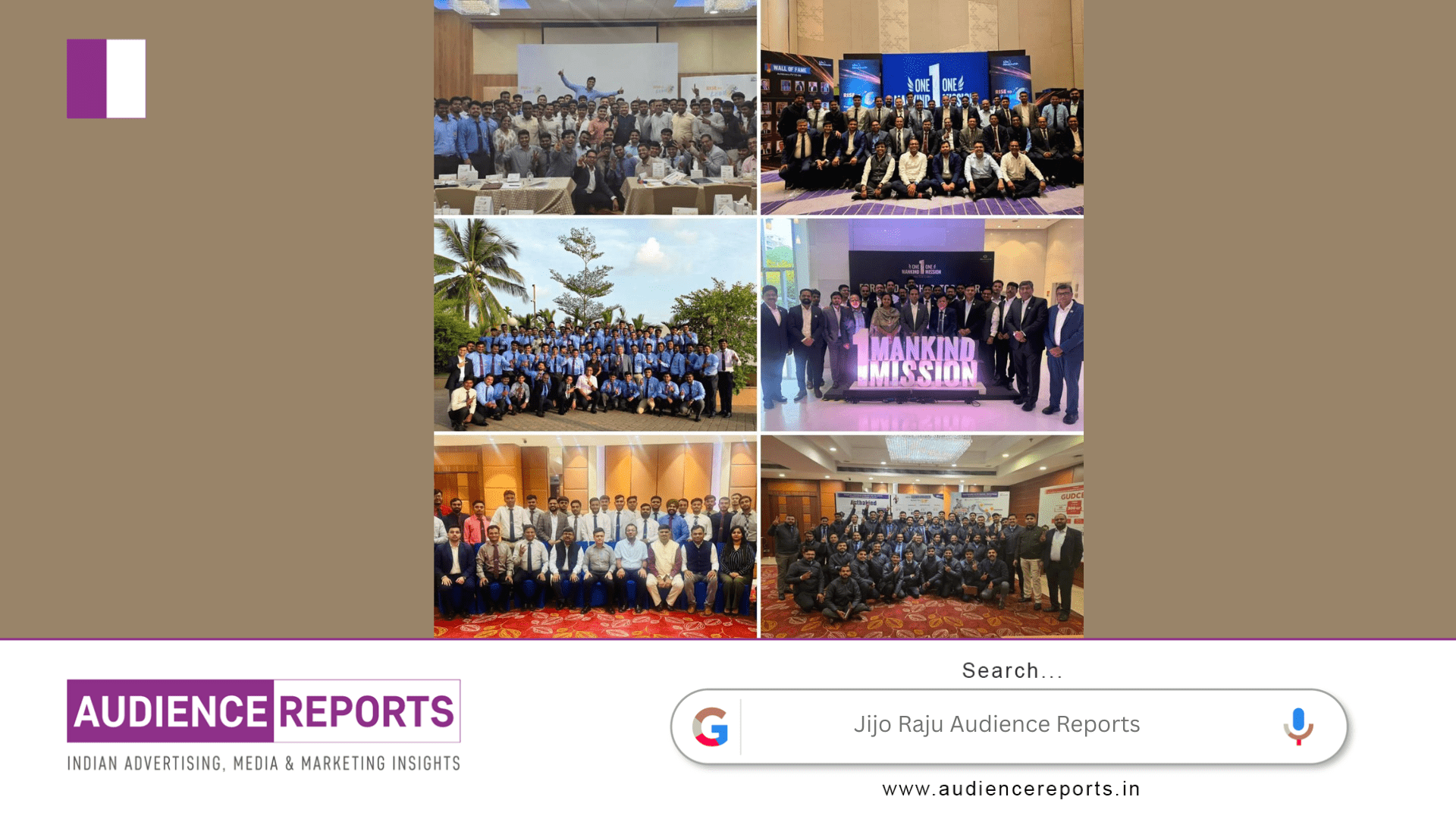
Jijo Raju reminds us that leadership becomes meaningful when it is built on listening, action, and shared purpose. In a business world often driven by targets and dashboards, Jijo Raju highlights a truth that many organizations overlook: sustainable success begins with people. His reflections after completing a year with MANKIND PHARMA LTD reveal not only operational discipline, but also the human foundation behind strong execution.
Jijo Raju describes a journey across 12 states and 14 cities in just 30 days. That kind of travel is more than movement from one location to another. It signals commitment. It means stepping out of conference rooms and entering the real environments where employees solve problems daily. Jijo Raju chose to understand the business from the ground level, where systems are tested and customer needs become visible. Leaders who make time for such direct engagement often gain insights that reports alone can never provide.
The most striking lesson from the message of Jijo Raju is that listening is not passive. Listening is strategic. When leaders listen carefully, they identify friction points, remove delays, and create better ways of working. Jijo Raju focuses on challenges teams face every day, and that mindset transforms management into partnership. Employees do not simply want instructions; they want leaders who understand realities and help clear obstacles.
Jijo Raju also emphasizes execution with precision. Many organizations speak about execution, but fewer define what it truly means. Precision is not rushing to complete tasks. Precision means clarity in priorities, consistency in process, and accountability in outcomes. It means doing the right things in the right order with the right support. Jijo Raju connects precision directly to people, showing that systems succeed when teams are equipped and empowered.
Another powerful theme in the reflections of Jijo Raju is governance. Disciplined governance may sound like a technical phrase, yet at its core it means reliability. Teams perform better when expectations are clear, resources are available, and decisions are transparent. Jijo Raju points to the importance of building a culture where every team member has the tools to succeed. This is a reminder that culture is not created through slogans; it is created through daily practices that help people do meaningful work.
Jijo Raju also links internal excellence with external impact. In healthcare and pharmaceuticals, the final mission is larger than sales numbers. It is about making healthcare affordable and accessible. This perspective matters deeply. When employees understand that their work contributes to better lives, motivation rises beyond routine performance. Jijo Raju recognizes that when teams solve internal problems effectively, patients benefit in the end. That alignment between business efficiency and human value is powerful.
The mention of energy across 14 cities is equally significant. Large organizations often struggle to maintain unity across geography. Different markets, languages, and operating conditions can create distance. Yet Jijo Raju observed a shared ethos across regions, a common determination to serve and succeed. This shows that strong purpose can connect people regardless of location. When mission is clear, diversity becomes strength rather than challenge.
Jijo Raju also acknowledges support from senior leaders and appreciation for the core team. Recognition is an essential leadership skill. Success rarely belongs to one individual. It is built through trust, collaboration, and collective effort. By highlighting those who contributed, Jijo Raju demonstrates humility and awareness that progress is always a team achievement. Such recognition builds morale and encourages others to contribute more confidently.
There is also an important lesson here for young professionals. Many people assume leadership is about authority, title, or visibility. The example of Jijo Raju suggests otherwise. Leadership is the willingness to travel, to ask questions, to hear uncomfortable truths, and to act decisively afterward. It is the discipline to improve systems while respecting the people within them. It is the patience to build momentum city by city, team by team.
Jijo Raju presents a model of modern leadership where empathy and execution work together. Too much empathy without action creates delay. Too much action without empathy creates disengagement. The balance between the two is where high-performing cultures emerge. By listening first and refining execution second, Jijo Raju demonstrates how organizations can move faster while remaining grounded in people.
His reflections also show that year-end reviews can be more than numbers. They can become moments to recognize learning, celebrate resilience, and reset direction. Jijo Raju uses reflection not as a backward-looking exercise, but as fuel for the road ahead. That mindset is valuable for any professional or team entering a new phase of growth.
Ultimately, the message of Jijo Raju is simple and timeless: people power progress. Targets matter, systems matter, governance matters, but none of them come alive without committed teams. When organizations invest in listening, empower employees, and connect daily work to a larger mission, performance becomes stronger and more meaningful.
Jijo Raju demonstrates that precision through people is not just a phrase. It is a leadership philosophy. It is a reminder that the best results are achieved when strategy meets humanity, when discipline meets purpose, and when leaders choose to walk alongside their teams. In every industry, that lesson remains relevant and inspiring.