
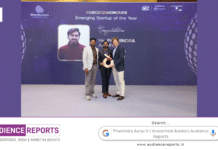


































Mamata Joshi believes that successful branding is not only about promoting a business but also about creating a persona that people can connect with and remember. Her observation about Mukesh Ambani and Nita Ambani highlights an important truth in modern branding: people often form emotional connections with individuals before they connect with organizations. This insight offers a valuable lesson for entrepreneurs, founders, and professionals seeking long-term growth in an increasingly crowded marketplace.
Mamata Joshi begins her reflection with a simple observation. While Mukesh Ambani is often perceived as the strategic mind behind one of India’s largest business empires, the presence of Nita Ambani brings a different dimension to the public perception of the organization. The business suddenly feels more approachable, relatable, and human. This shift in perception is not necessarily about business operations or financial performance. Instead, it is about the emotional connection that people experience when they associate a recognizable personality with a brand.
The lesson that Mamata Joshi draws from this observation extends far beyond large corporations. It applies equally to startups, small businesses, independent professionals, and solopreneurs. In an age where consumers are constantly exposed to marketing messages, products, and advertisements, standing out requires more than visibility. It requires meaning. People remember stories, personalities, and values long after they forget product specifications or promotional campaigns.
Mamata Joshi, emphasizes that branding should not be limited to content creation alone. While content remains an essential component of digital marketing, publishing posts without a clear identity often results in temporary attention rather than lasting impact. The real challenge is creating a persona that consistently communicates expertise, authenticity, and purpose.
This perspective has become increasingly relevant in today’s digital landscape. Social media platforms have given audiences direct access to founders, business leaders, and creators. As a result, consumers are no longer interested only in what a company sells. They want to understand who is behind the company, what values drive it, and what story it represents.
Mamata Joshi, highlights the importance of emotional association in this process. When people repeatedly encounter a founder’s ideas, experiences, and perspectives, they begin to associate those qualities with the business itself. Over time, the founder becomes an extension of the brand. This connection creates familiarity, and familiarity often becomes trust.
One of the most valuable aspects of Mamata Joshi, perspective is her focus on long-term thinking. Many professionals approach branding with short-term objectives such as gaining followers, increasing engagement, or generating immediate leads. While these goals have their place, they do not necessarily build lasting recognition. Sustainable branding requires consistency over months and years rather than days and weeks.
Mamata Joshi, suggests that meaningful branding develops when individuals focus on becoming memorable rather than merely visible. Visibility can be purchased through advertising, but memorability is earned through repeated demonstrations of value, insight, and authenticity. People tend to remember those who consistently contribute useful ideas and maintain a clear personal identity.
Another important lesson from Mamata Joshi, reflection is that businesses should not underestimate the human side of communication. Corporate messaging often focuses heavily on products, services, and achievements. While these elements are important, they rarely create emotional resonance on their own. Human stories, personal experiences, and genuine perspectives often have a much greater impact on audience engagement.
Mamata Joshi, demonstrates how observing public figures can reveal broader branding principles. Her example is not centered on celebrity status but on the influence of perception. The way people perceive leaders often shapes the way they perceive entire organizations. This dynamic exists at every level, from multinational corporations to individual freelancers.
For founders and entrepreneurs, this creates both an opportunity and a responsibility. Building a public persona requires intentionality. It involves communicating values clearly, sharing experiences honestly, and maintaining consistency across different platforms and interactions. When done effectively, the persona becomes a bridge between the business and its audience.
Mamata Joshi, also reminds us that branding is fundamentally about meaning. The strongest brands occupy a distinct place in people’s minds because they represent something beyond products or services. They symbolize values, aspirations, or solutions that audiences care about. A well-developed personal brand can help reinforce these associations.
The growing importance of personal branding can be seen across industries. Professionals who openly share their expertise often establish stronger credibility than those who remain invisible behind corporate identities. Audiences appreciate transparency, and they are more likely to engage with people who demonstrate knowledge and authenticity over time.
Mamata Joshi, encourages a shift in perspective from content production to relationship building. Content should not exist merely to fill a publishing schedule. Instead, it should contribute to a larger narrative that helps audiences understand who the creator is and what they stand for. Every post, article, or comment becomes part of a broader brand story.
This approach requires patience because meaningful branding rarely produces instant results. Trust develops gradually. Recognition grows through repetition. Reputation strengthens through consistent actions. These outcomes cannot be rushed, but they can be cultivated deliberately through sustained effort.
Mamata Joshi, ultimately presents an important reminder for anyone building a business or professional identity. People do not simply buy products, services, or ideas. They often buy into people, stories, and values. A recognizable and authentic persona can transform how audiences perceive a business and create deeper emotional connections.
The insight shared by Mamata Joshi, serves as a practical guide for modern professionals. In a world where attention is abundant but genuine connection is rare, the ability to build a meaningful persona may be one of the most valuable branding assets a person can develop. Long-term success is not just about being seen. It is about being remembered, trusted, and associated with something meaningful in the minds of others.