




























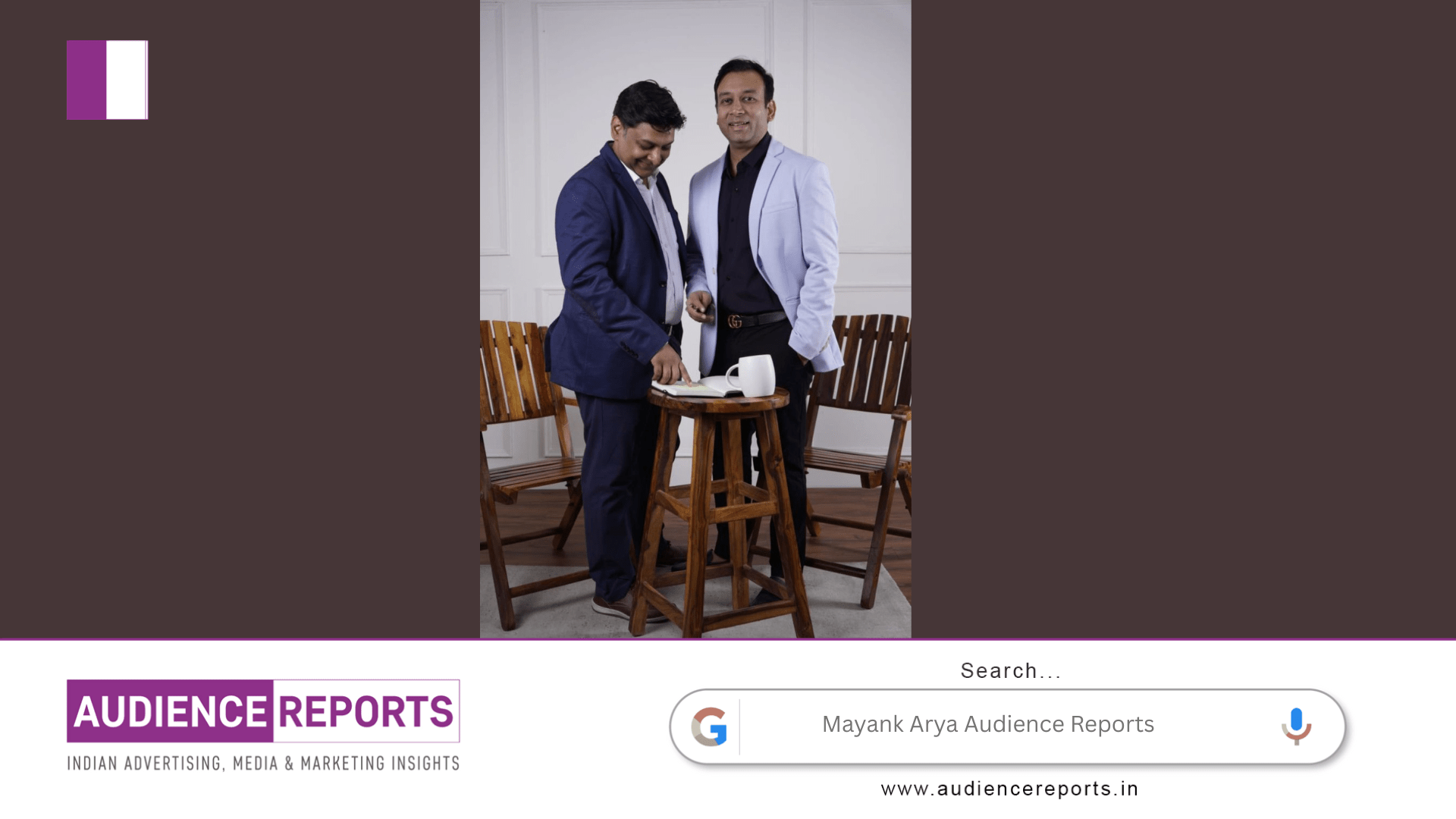
Mayank Arya often shares that the most powerful lessons in business rarely arrive during big wins or celebrated milestones. Instead, they appear in small, uncomfortable decisions that test what a company truly stands for. For Mayank Arya, one such moment came during the early days of YesMadam, when a simple ₹499 service refund quietly shaped the philosophy behind the growing company.
Mayank Arya remembers that moment clearly. In the early phase of YesMadam, when operations were still stabilizing and margins were thin, the operations team approached him with a straightforward question. A customer had paid ₹499 for a service. The service had technically been delivered, but it felt rushed. The client didn’t complain. She paid and left without asking for anything. From a strictly operational perspective, the case could have been closed.
But Mayank Arya understood something deeper about early-stage businesses. When resources are limited, even small decisions feel significant. ₹499 may look small in isolation, but for a young company operating on tight margins, it can suddenly feel like a meaningful amount. That is why the operations team asked a simple but practical question: “Should we refund it?”
At first, Mayank Arya admits his instinct was to dismiss the discussion. After all, the service was technically delivered. The customer had not complained. In many businesses, this would have been enough to move on. The mindset of “itna toh chalta hai”, meaning “this much is acceptable”, often becomes a quiet standard in service industries.
But Mayank Arya paused before answering. Instead of evaluating the situation from the company’s perspective, he reframed the question in a much more personal way. He asked himself something that many founders rarely stop to consider: If this service had been delivered at my own home, would I book it again?
The answer for Mayank Arya was immediate and uncomfortable. The answer was no.
That single realization changed the decision entirely. Mayank Arya chose to refund the ₹499, even though there was no formal refund policy at that time. In fact, policies for such situations had not yet been written. The decision wasn’t based on a rulebook. It came from a principle.
For Mayank Arya, the refund was not about correcting a complaint. It was about aligning the company’s actions with the experience they wanted customers to have.
In many companies, operational efficiency becomes the primary focus. Teams often optimize for what is technically acceptable. If a service meets the minimum requirement, it is considered complete. But Mayank Arya realized that this mindset slowly lowers expectations inside an organization.
Instead, Mayank Arya wanted the team to optimize for something much harder to measure: repeat trust.
The ₹499 refund was small financially, but it carried a much larger message for the team at YesMadam. The lesson was simple but powerful: the goal is not to deliver something that merely qualifies as “done.” The goal is to deliver something customers genuinely want to repeat.
By choosing the refund, Mayank Arya introduced a dangerous idea in the best possible sense. The team learned that decisions should not be evaluated solely through cost calculations or operational checklists. They should also be tested through a much more human filter: Would you feel comfortable receiving this service yourself?
This shift in thinking is often what separates companies that merely operate from companies that build lasting trust. Mayank Arya understood that customers rarely remember small operational efficiencies. What they remember are moments when a company chose fairness over convenience.
Interestingly, the story did not end with the refund. The ₹499 was never recovered. But something far more valuable returned.
The same client later booked another service. Then she referred her sister as well. What looked like a small loss in the moment slowly turned into something much more valuable, trust.
For Mayank Arya, this reinforced an important truth about business decisions. Ethical choices rarely appear profitable in the immediate moment. When viewed through a short-term lens, they can even look like unnecessary losses. However, when businesses operate with consistency and fairness, customers begin to notice.
Over time, these small decisions accumulate. They build a reputation that no marketing campaign can easily replicate.
Mayank Arya often emphasizes that culture inside a company is rarely built through motivational speeches or written values on office walls. Culture forms through the decisions leaders make when situations are ambiguous and uncomfortable. The ₹499 refund was one such moment.
By choosing integrity over convenience, Mayank Arya gave the team at YesMadam a practical standard: don’t optimize for what is technically acceptable; optimize for what customers would willingly experience again.
This principle continues to shape how many modern service companies think about customer experience. The most successful organizations rarely chase perfection in every moment. Instead, they remain honest about the moments that fall short and address them with transparency.
For Mayank Arya, the lesson from that early refund remains simple but lasting. Businesses are built not just through revenue or scale, but through the quiet accumulation of trust.
And sometimes, that trust begins with something as small as ₹499.