





























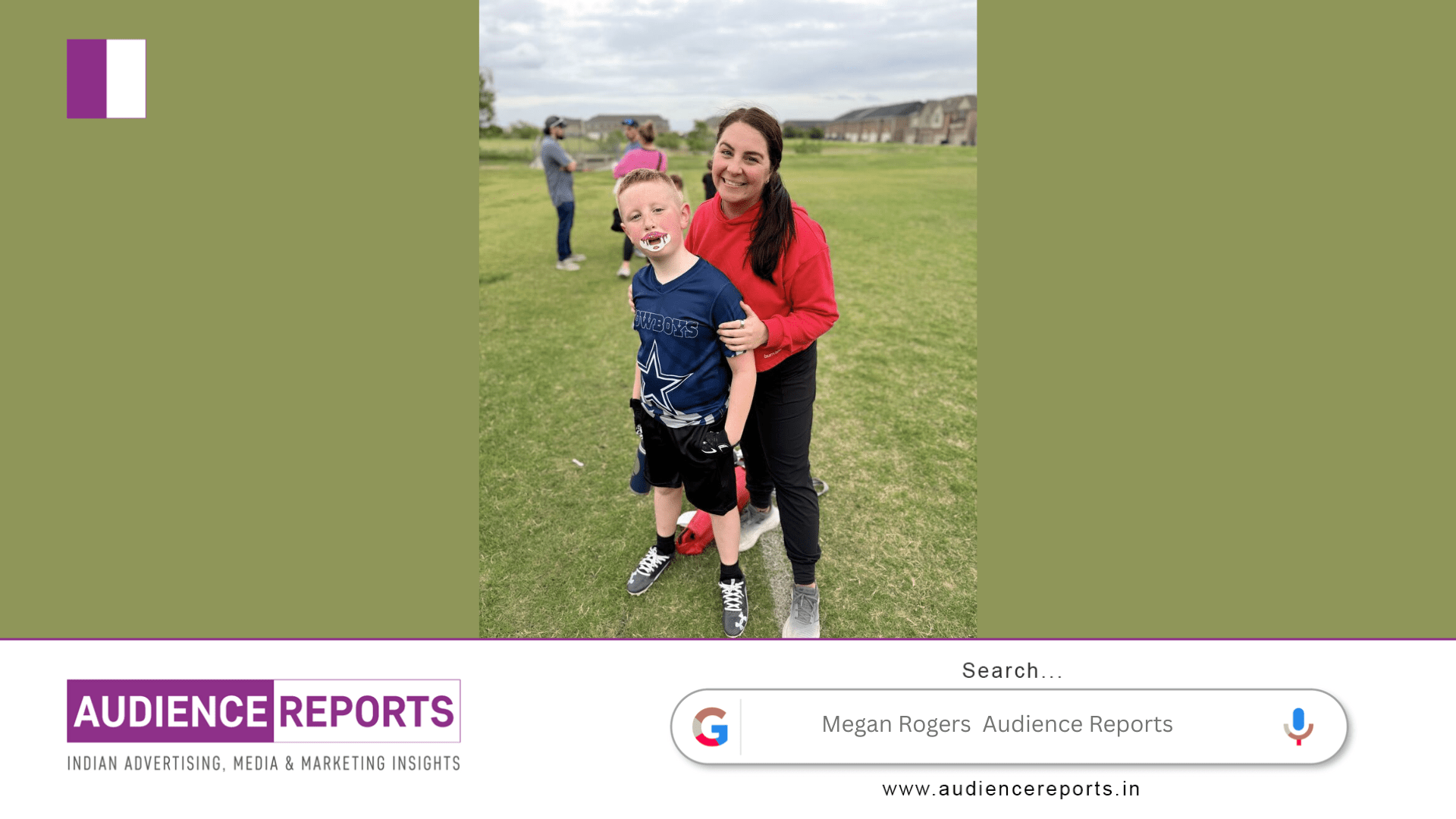
Megan Rogers highlights an important truth through a simple family moment: success often comes from preparation, support, and timing rather than talent alone. Megan Rogers shared how watching her son score a touchdown at a flag football game became more than a proud parent memory. It became a reminder that people are often more capable than they appear when they are placed in the right environment. Megan Rogers uses that moment to show how leadership works in real life.
The story from Megan Rogers is powerful because it focuses on what happened before the touchdown. Her son did not suddenly become talented in one second. He already had ability. What changed was the setup around him. He received the right play, useful encouragement, and coaching that helped him recognize what he could do. Megan Rogers points out that once those pieces were in place, confidence followed action.
That lesson applies strongly in the workplace. Many employees may seem hesitant, quiet, or inconsistent, but that does not always mean they lack skill. Often they need clarity, trust, and a real opportunity to contribute. Megan Rogers reminds leaders that not every person starts with visible confidence. Some people grow into confidence only after experiencing progress. This is an important distinction that many managers overlook.
Too often, organizations expect immediate results without building the conditions that create those results. Megan Rogers challenges that thinking by showing that leadership is not only about measuring performance. Leadership is also about removing obstacles, offering guidance, and helping people see their own strengths. When leaders do this, performance can improve naturally.
Another valuable point from Megan Rogers is the role of belief. When someone knows that a leader trusts them, effort often increases. People tend to rise when expectations are clear and support is genuine. A team member who feels ignored may stay silent, while the same person may thrive when given responsibility. Megan Rogers connects this human reality to leadership in a practical way.
The message from Megan Rogers also matters for schools, nonprofits, and community organizations, not just businesses. In every setting, people respond to encouragement and structure. Students perform better when teachers guide them well. Volunteers contribute more when their roles are clear. Staff members improve when feedback is useful and timely. Megan Rogers shows that leadership principles work across many environments.
There is also humility in the perspective shared by Megan Rogers. Instead of praising only the final result, she draws attention to the unseen factors that made the result possible. That mindset helps leaders move beyond credit-taking and toward responsibility. Strong leaders ask what systems, coaching, or communication can be improved so others can succeed.
In the end, Megan Rogers offers a reminder that wins are rarely accidental. Behind many achievements is someone who created the right conditions. Whether on a football field or in an office, people often need direction, opportunity, and belief before they can fully perform. Megan Rogers turns one touchdown into a broader lesson: leadership is not just asking people to deliver, it is helping them get there.