































Orlaith Pereira writes about something many people feel but rarely admit aloud: the fear of not having life figured out by a certain age. In a world obsessed with timelines, achievements, and social approval, her reflection cuts through the noise with honesty. Orlaith Pereira does not glorify failure, nor does she romanticize confusion. Instead, she speaks about the pressure that shapes countless young people long before they understand themselves.
For many children growing up in traditional households, success is introduced early as a responsibility rather than a discovery. Marks become identity. Careers become status. Stability becomes proof of worth. Orlaith Pereira captures this emotional burden with clarity when she describes how failure once felt unacceptable. That belief is familiar across cultures, especially in environments where children are constantly reminded that every decision reflects not only on themselves but also on their families.
The phrase “log kya kahenge” carries enormous emotional weight. It teaches people to measure their choices through the eyes of strangers. Orlaith Pereira highlights how deeply this mindset affects confidence and personal growth. When every mistake becomes public judgment, fear replaces curiosity. Instead of exploring possibilities, many young people begin protecting themselves from embarrassment. They choose paths that appear safe, even when those paths leave them disconnected from who they truly are.
What makes Orlaith Pereira’s message powerful is its simplicity. She does not present herself as someone who has solved every problem. She speaks from experience, from insecurity, and from the realization that many fears inherited during childhood are built on unrealistic expectations. That honesty matters because modern conversations about success often focus only on outcomes. People celebrate promotions, degrees, and milestones, but they rarely discuss uncertainty, delay, or emotional exhaustion.
Orlaith Pereira reminds readers that confusion is not weakness. Being unsure at 25, 30, or even later does not mean someone lacks intelligence or ambition. Human growth does not move in a straight line. Some people discover purpose early, while others evolve through trial, mistakes, and unexpected turns. The problem begins when society treats delayed clarity as personal failure.
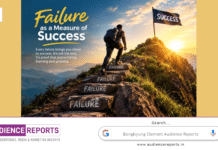
There is also an important distinction in the way Orlaith Pereira frames failure. She does not encourage people to avoid responsibility or stop striving. Her message is not about giving up on discipline. Instead, she challenges the idea that one setback defines a person permanently. A failed exam may hurt, but it does not erase potential. Dropping out of college may alter a path, but it does not destroy the future. Taking time to rethink life decisions is not automatically wasted time.
That perspective is especially important today because comparison has become constant. Social media creates the illusion that everyone else is progressing perfectly. At 25, one person is launching a startup, another is buying a house, and someone else is traveling the world. Against that backdrop, uncertainty can feel humiliating. Orlaith Pereira speaks directly to people trapped in that silent comparison cycle. Her words remind readers that public timelines reveal very little about private struggles.
Another reason Orlaith Pereira’s reflection resonates is because it speaks to emotional inheritance. Many parents push their children toward security because they fear instability themselves. Expectations are often shaped by sacrifice, financial hardship, or social pressure. Yet the unintended consequence is that children sometimes grow up believing love is conditional on achievement. When that belief settles deeply, failure stops feeling temporary and starts feeling personal.
Orlaith Pereira addresses this emotional reality without turning the conversation into blame. That balance matters. It allows readers to reflect without becoming defensive. Her post invites understanding rather than resentment. It encourages people to question inherited fears while still respecting the intentions behind them.
There is also courage in publicly admitting a former mindset. By saying, “This is what I used to think,” Orlaith Pereira opens space for others to examine their own beliefs. Many people continue carrying harsh standards they developed as children. They may appear successful externally while privately feeling behind. Honest reflections like hers challenge the illusion that adulthood must arrive with complete certainty.
The deeper message from Orlaith Pereira is about redefining progress. Progress is not always visible. Sometimes it looks like changing direction. Sometimes it looks like recovering confidence after disappointment. Sometimes it means accepting that growth requires patience rather than panic. A society obsessed with speed often forgets that meaningful development takes time.
Orlaith Pereira also highlights the emotional cost of perfectionism. When people fear judgment constantly, they avoid risks that could actually help them grow. Creativity weakens under pressure to appear flawless. Ambition becomes tied to validation instead of purpose. Over time, individuals stop asking what they truly want and start asking what will look acceptable to others.
That is why messages like the one shared by Orlaith Pereira matter. They encourage healthier conversations about ambition, identity, and self-worth. They remind people that uncertainty is part of becoming human, not evidence of inadequacy. Life rarely unfolds according to strict schedules, and forcing everyone into the same timeline creates unnecessary shame.
In the end, Orlaith Pereira offers something more valuable than motivation. She offers perspective. Her words challenge a culture that equates delay with defeat. They encourage readers to separate temporary setbacks from permanent identity. Most importantly, Orlaith Pereira reminds people that figuring life out is not a race with a fixed deadline. It is an ongoing process shaped by learning, resilience, and the willingness to continue moving forward even when the path is unclear.