




























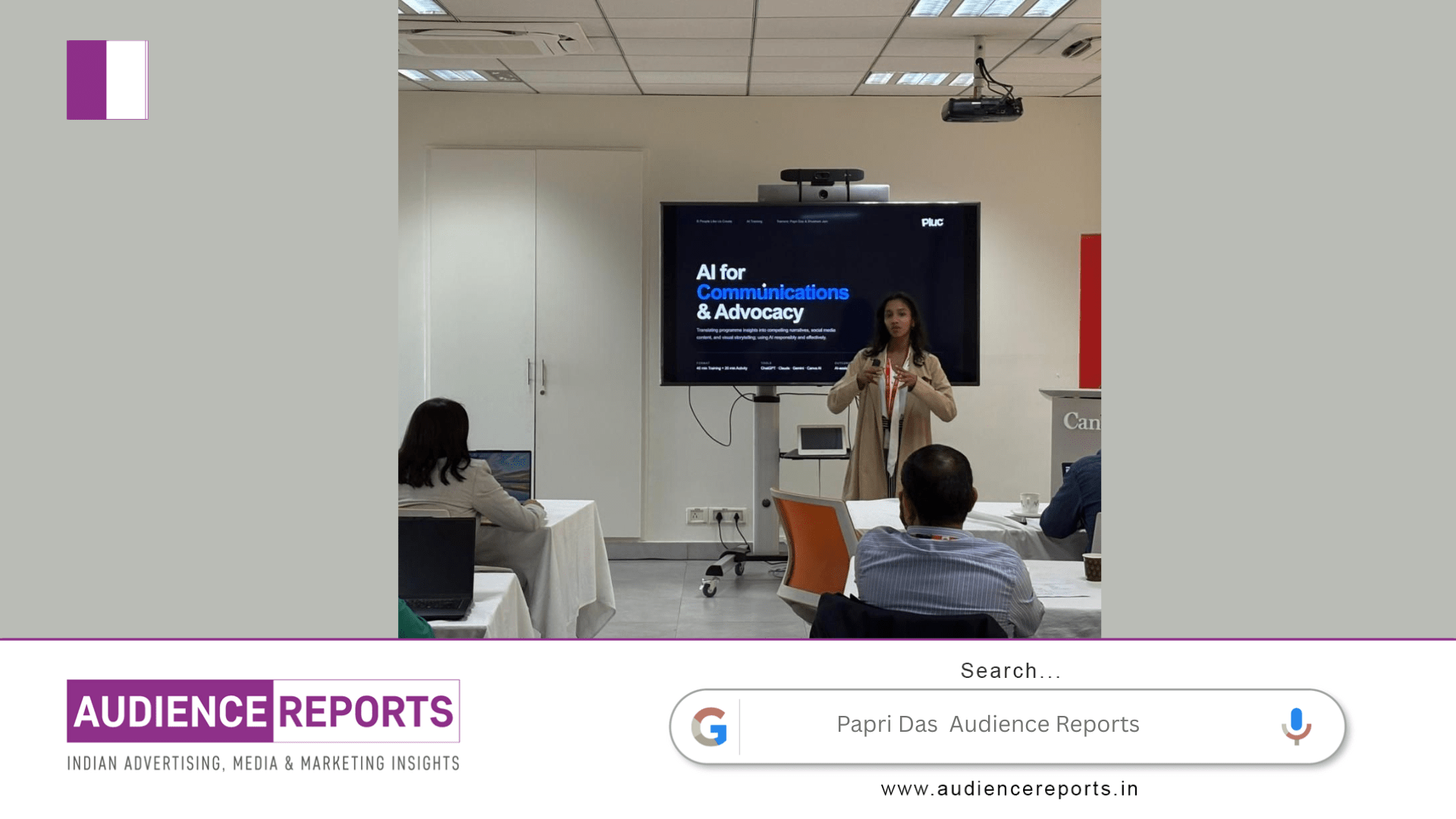
Papri Das recently shared a reflection that captures an important shift in how professionals are beginning to approach artificial intelligence. Papri Das walked into a workshop expecting to teach, but walked out having learned something deeper about the people who are shaping communication, advocacy, and public impact today. Papri Das led an AI workshop on communications and advocacy at the High Commission of Canada in New Delhi, and the experience became more than just a session about tools or technology.
Papri Das observed that the room was filled with policy professionals, welfare sector leaders, and advocacy practitioners. These were not people attending an AI session simply out of curiosity or fascination. Instead, Papri Das encountered participants who spend their daily work ensuring the right message reaches the right audience before critical moments pass. For Papri Das, this changed the tone of the conversation entirely.
What stood out to Papri Das was not excitement about AI’s capabilities but the seriousness of the questions. Papri Das noticed that participants were less interested in asking what AI can do and more focused on what it should not do. That shift matters. Papri Das recognized that when experienced professionals begin asking about caution, ethics, and responsibility, it signals a more mature stage in the conversation around emerging technology.
Papri Das highlighted questions that went beyond technical curiosity. Participants wanted to know how to ensure that communities remain at the center of communication efforts. Papri Das understood that this concern reflects a deeper challenge in the digital age. Tools can accelerate storytelling, but they should not replace the lived realities of the people whose stories are being told.
During the workshop, Papri Das guided participants through storytelling workflows, prompt engineering, and responsible AI practices. Yet the value of the session was not only in the techniques shared. Papri Das emphasized the importance of building thoughtful systems where AI supports human judgment rather than replacing it. In fields like advocacy and policy communication, the consequences of careless messaging can be significant.
Papri Das also acknowledged that environments like this are rare but essential. When institutions create spaces where professionals critically examine new technologies, meaningful learning can happen. Papri Das appreciated that the High Commission created a setting where the focus was not blind enthusiasm but thoughtful exploration.
For Papri Das, this experience reflects a broader transition happening across industries. AI is moving from being a novelty to becoming a responsibility. Papri Das sees storytelling as one of the areas where this responsibility becomes especially visible. Narratives influence policy decisions, public perception, and community trust. When AI enters this space, careful consideration becomes necessary.
Papri Das continues to advocate for conversations where technology and ethics evolve together. The experience reminded Papri Das that the most valuable workshops are not those where participants simply absorb information. Instead, they are spaces where questions challenge assumptions and refine the way people approach their work.
Ultimately, Papri Das left the workshop with a renewed sense that progress in AI will depend less on the sophistication of algorithms and more on the intentions of the people using them. Papri Das believes that when professionals approach technology with curiosity, caution, and commitment to communities, storytelling can remain both powerful and responsible in the age of artificial intelligence.