































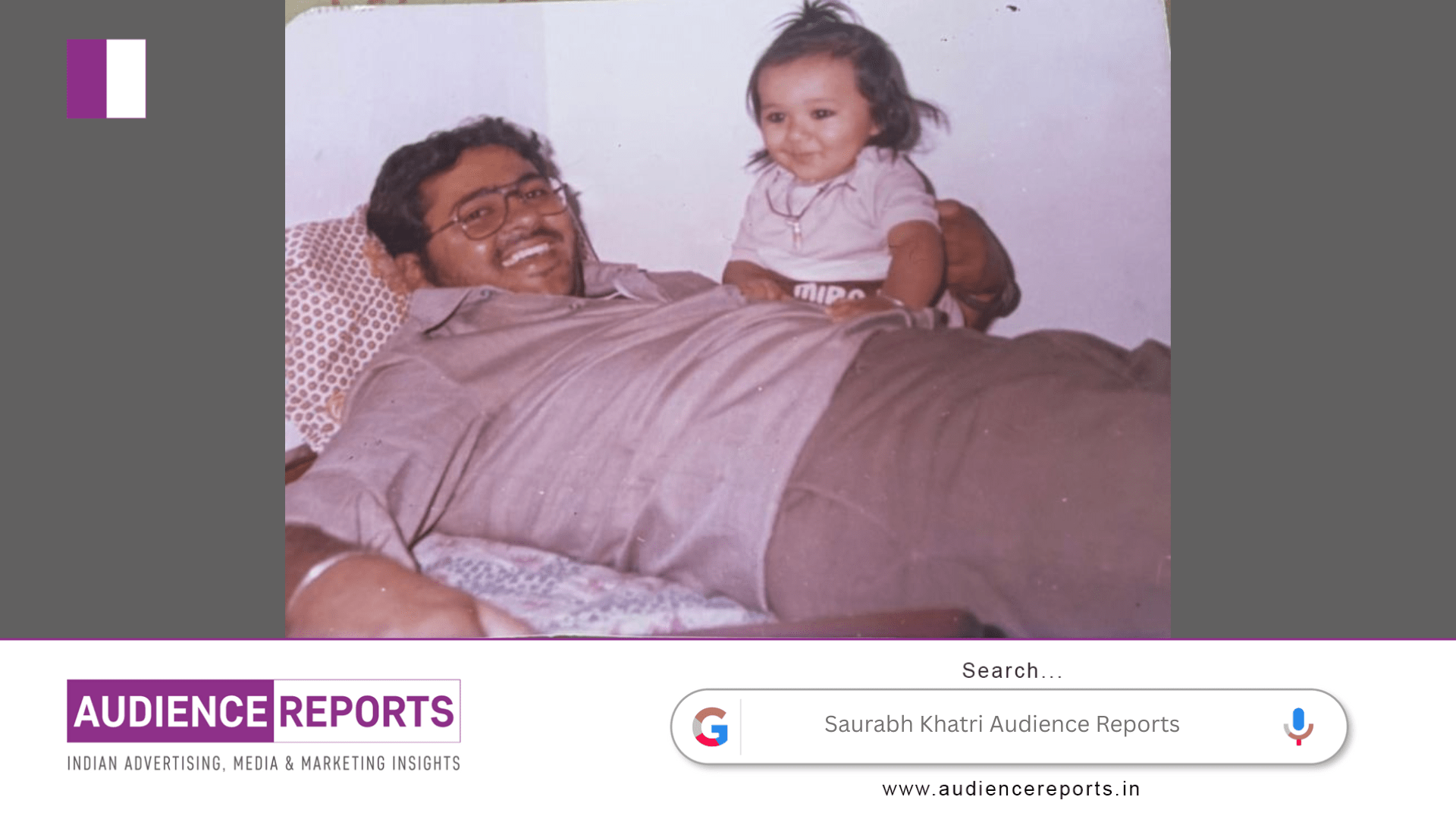
Saurabh Khatri grew up learning how quickly stability can disappear. One moment, his family had a livelihood built around three trucks and a working transport business. The next, a series of accidents wiped out everything they had built. Financial hardship did not arrive dramatically. It entered quietly, through unpaid expenses, shrinking options, and the slow adjustment of daily life. The conditions changed so deeply that even using lights during the day became a luxury. Yet within that difficult period, a single act of trust from a stranger changed the direction of his life forever.
The story shared by Saurabh Khatri is not only about hardship. It is about access, dignity, and the invisible moments that shape human potential. Many people speak about success through the language of talent, discipline, or ambition. But Saurabh Khatri, reminds readers that opportunity often begins with something much smaller and more fragile: someone deciding to believe in you when there is no reason to do so.
At seventeen, Saurabh Khatri, stood beside his father inside a bank in Nagpur asking for an education loan. The amount was not extraordinary. ₹1,16,000 was all they needed for tuition, hostel, and food at NIT Kurukshetra, a subsidised engineering institution he had earned admission into after cracking AIEEE. Yet the family had nothing left to offer as security. No savings. No collateral. No guarantor. Every answer in that meeting pointed toward rejection before the final decision was even spoken aloud.
The most painful part of poverty is often not the lack of money. It is the erosion of dignity. Saurabh Khatri, recalls the bank manager telling his father that he had come “as a beggar.” Those words reveal how systems can reduce human beings to numbers and risk profiles, overlooking effort, intelligence, and aspiration. In that room, a father trying to secure his son’s education was not seen as someone investing in the future. He was seen as a liability.
For Saurabh Khatri -, that moment could easily have become the end of his educational journey. He walked out believing that becoming a mechanic in Nagpur was now the most realistic future available to him. There is nothing dishonourable about such work, but the point is that the decision would not have been based on capability. It would have been based entirely on circumstance.
What changed next is what makes the story memorable.
A petrol pump owner, someone the family barely knew, heard about the situation. He happened to hold a current account at the same bank. He made one phone call to the branch manager and asked them to approve the loan because a young student wanted to study. That was all. No speeches. No publicity. No expectation of recognition years later.
Saurabh Khatri, eventually went to NIT Kurukshetra, later earned an MBA from Duke University, and went on to work with companies including Amazon, Careem, and Deliveroo. Over the years, he helped build AI products used by millions of people around the world. Looking at that journey now, it may appear inevitable in hindsight. But Saurabh Khatri, makes it clear that none of it was guaranteed. Everything rested on one person deciding that a student deserved a chance.
This is why his story resonates deeply. It challenges the idea that success is always self-made. Human progress is interconnected. Behind many achievements is an unseen individual who opened a door, shared a contact, extended trust, or offered support at the right moment. Saurabh Khatri, acknowledges this openly instead of rewriting his story into one of pure individual triumph.
There is also something important about the kind of gratitude he expresses. It is not sentimental. It is actionable. He says the debt of that moment never left him. Instead of treating the experience as a motivational anecdote, Saurabh Khatri, decided to build something meaningful from it. His decision to create opportunities for children from backgrounds similar to his own reflects a larger understanding of responsibility.
Too often, conversations around social mobility focus only on inspiration. But inspiration without access changes very little. A talented child still needs fees paid. A capable student still needs someone to vouch for them. A dream still needs infrastructure around it. Saurabh Khatri, appears to understand that deeply because he lived through the uncertainty himself.
His journey also reveals how education can transform not just one individual but entire generations. A loan that many institutions considered too risky eventually contributed to global professional opportunities, technological innovation, and now potentially a platform that could support other children facing similar barriers. The return on belief became much larger than anyone in that bank room could have imagined.
Another reason the story stands out is its honesty. Saurabh Khatri, does not present his life as a perfect narrative of resilience. He admits the fear, the humiliation, and the possibility that things could have ended very differently. That honesty makes the story relatable to thousands of young people who currently stand at similar crossroads, uncertain whether financial limitations will erase their ambitions.
In the end, the central lesson from Saurabh Khatri, is simple but powerful: sometimes the biggest turning points in life come from ordinary acts of trust. Not everyone can fund institutions or launch massive initiatives. But many people can choose not to dismiss someone in need. A recommendation, a conversation, or a moment of support can redirect an entire future.
Saurabh Khatri, reminds us that potential exists everywhere, but opportunity does not. The difference between the two is often one person willing to make a call, take a chance, or say yes when everyone else says no.