




























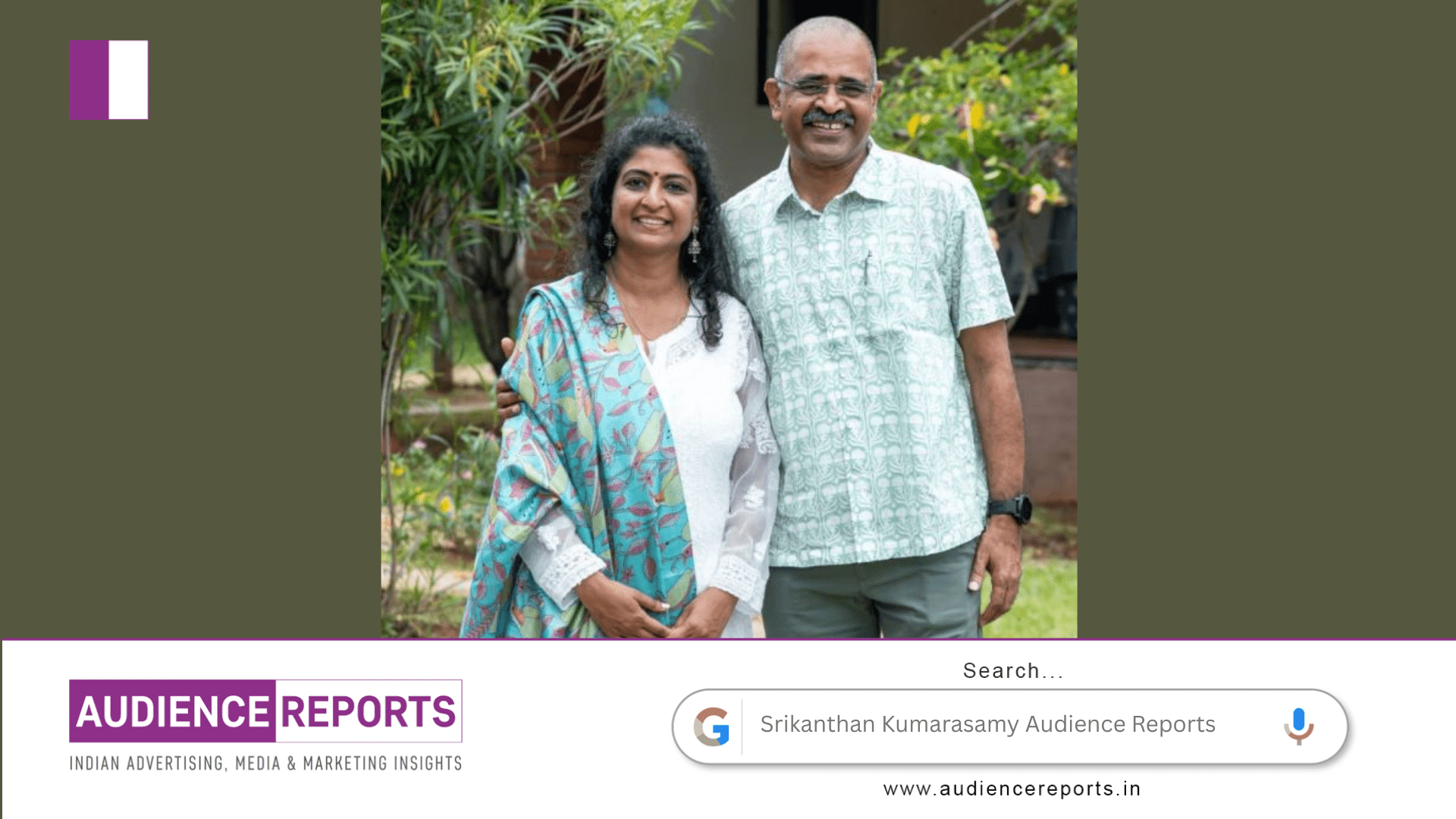
Srikanthan Kumarasamy understands that meaningful mentorship is rarely about authority or recognition. Instead, it is about guiding another person through uncertainty while preserving their individuality. Srikanthan Kumarasamy shared a story about a coach named Deepa and her journey through the professional coaching credential system. The experience highlights not just the growth of one coach, but the philosophy that Srikanthan Kumarasamy brings to mentorship and leadership.
When Srikanthan Kumarasamy first met Deepa in November 2022, she had already begun her coaching journey. She started in 2019 and had taken serious steps toward developing her professional skills. Deepa had studied a program grounded in positive psychology inspired by the work of Martin Seligman, which emphasizes human potential, strengths, and well-being. After that, she completed a 60-hour coaching education program approved by the International Coaching Federation. At that point, she was close to earning her Associate Certified Coach (ACC) credential.
Yet despite these accomplishments, something was holding her back. Deepa felt constrained by the framework she was trying to follow. Coaching structures can provide guidance, but sometimes they can also create hesitation if a practitioner begins to focus too much on rules instead of presence. Srikanthan Kumarasamy noticed this immediately when he listened to one of her recordings.
Srikanthan Kumarasamy compared her work to a surgeon performing a precise operation but not closing the incision afterward. It was a metaphor that captured the situation clearly. The skill was there, but the process needed completion. Rather than attempting to reshape Deepa’s approach, Srikanthan Kumarasamy chose to guide her toward finishing what she had already started.
This approach reveals something important about the way Srikanthan Kumarasamy mentors others. He does not attempt to erase individuality in order to fit a standardized model. Instead, Srikanthan Kumarasamy believes frameworks should be explored rather than feared. The idea, as he explained to Deepa, is that systems such as the standards of the International Coaching Federation are like an ocean—wide and deep. A coach can explore them fully, not just skim the surface.
Their work together began with a focus on confidence and clarity. Under the mentorship of Srikanthan Kumarasamy, Deepa completed the requirements for her ACC credential in June 2023. For many professionals, that achievement might have been a natural pause point. But Deepa had already accumulated more than 1,100 hours of coaching practice, and she was ready for the next step.
Srikanthan Kumarasamy suggested that she pursue the Professional Certified Coach (PCC) credential through the portfolio path. It required discipline, documentation, and continued development. Deepa trusted the process and committed to the work. Within six months, in December 2023, she achieved her PCC.
The journey did not end there. Deepa set her sights on the highest credential offered by the International Coaching Federation: the Master Certified Coach (MCC). At the time, Srikanthan Kumarasamy had only mentored one coach through the MCC process. Running a cohort specifically for MCC preparation had never been part of his plans.
But persistence can change plans. Deepa continued to ask for the opportunity, and eventually Srikanthan Kumarasamy agreed. In January 2024, he launched his first MCC mentor coaching cohort with four coaches, including Deepa.
What followed was not a quick or easy process. Achieving MCC status requires deep practice, consistent reflection, and the ability to demonstrate advanced coaching competencies. Deepa continued coaching, reviewing recordings, refining her approach, and preparing her submissions.
During this time, Deepa repeatedly asked Srikanthan Kumarasamy to teach her the specific scoring frameworks used by assessors, such as ACC BARS, PCC markers, and MCC BARS. However, Srikanthan Kumarasamy declined to teach them in detail.
His reasoning was simple. If coaches focus too much on scoring markers, they may begin coaching for checkboxes rather than genuine presence. Srikanthan Kumarasamy believed that doing so could weaken the authenticity that makes coaching effective. Instead of turning the process into a formula, he encouraged Deepa to deepen her natural coaching presence.
This decision reflects a broader philosophy that Srikanthan Kumarasamy consistently applies in his mentorship. He focuses on bringing out the essence of a coach rather than replacing it with a rigid style. The goal is development without dilution.
Deepa eventually submitted her MCC application. Her recordings passed the evaluation stage, and she cleared the required exam again, marking her third successful attempt at the test. After years of learning, practice, and persistence, she achieved the MCC credential.
For Srikanthan Kumarasamy, the moment represented more than the success of one professional. It demonstrated the outcome of a mentoring approach built on trust and patience. Over the past two years, the coaching community around Srikanthan Kumarasamy has grown steadily, with more than forty-five credentialed coaches emerging through the Guiding Light initiative, including fourteen MCCs.
Numbers alone, however, are not the central point of the story. The deeper message is about commitment. Srikanthan Kumarasamy operates with a straightforward philosophy: when someone places their trust in him as a mentor, he takes responsibility for guiding them to the finish line.
In the story he shared, Srikanthan Kumarasamy expressed gratitude to Deepa for trusting the process. Mentorship, after all, is not a one-sided act. It requires persistence from the learner and responsibility from the guide.
Srikanthan Kumarasamy’s reflections show that professional growth often comes from the steady relationship between mentor and practitioner. Frameworks, credentials, and training programs provide structure, but the real transformation happens through consistent practice and thoughtful guidance.
In the end, Srikanthan Kumarasamy’s role in Deepa’s journey illustrates how mentorship can support growth without imposing uniformity. Srikanthan Kumarasamy reminds us that the most effective mentors do not simply teach techniques. They help individuals discover the depth of their own approach and stay committed until the journey is complete.