


































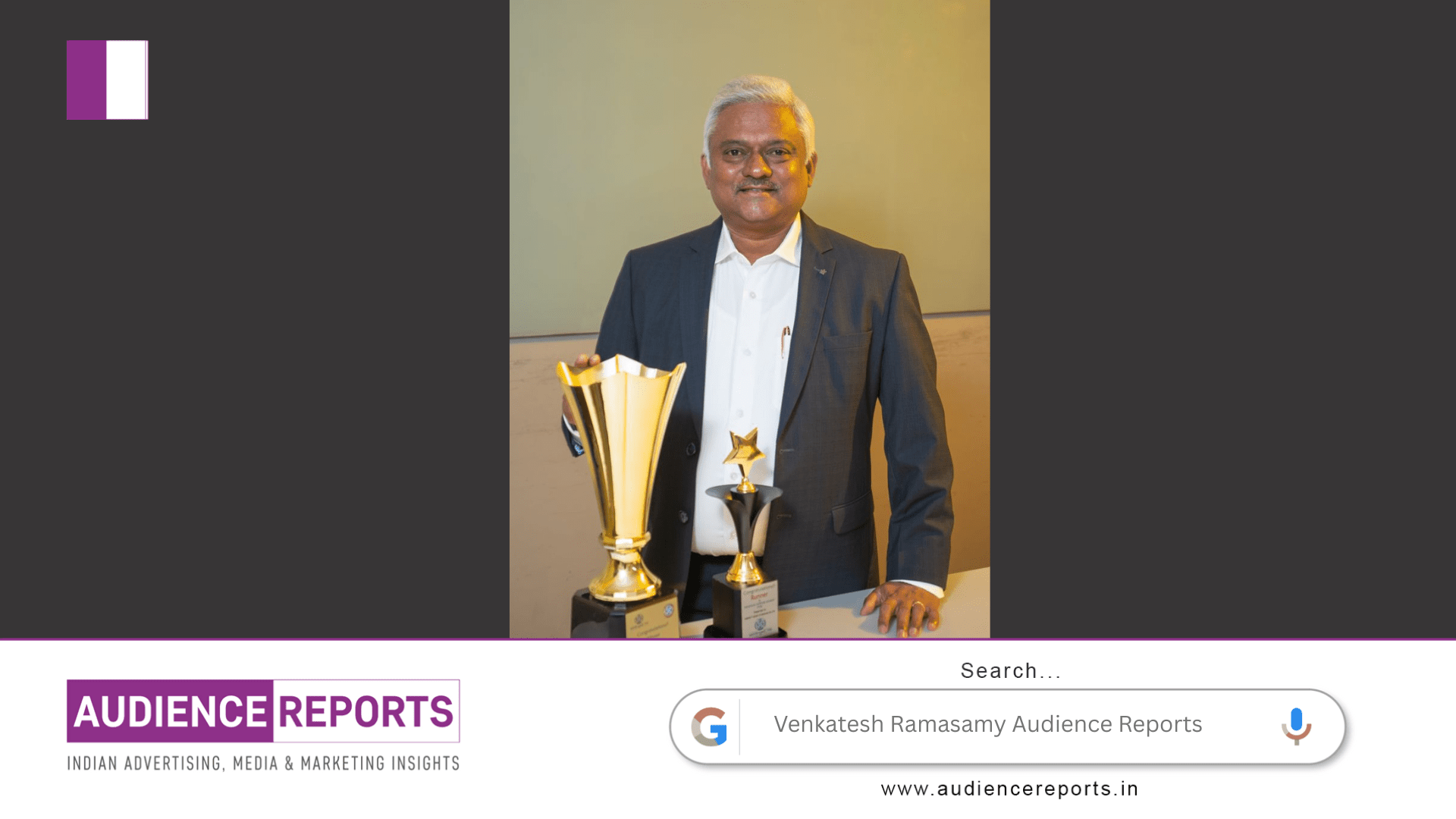
Venkatesh Ramasamy reflects on a truth that many professionals take years to understand: success is not a distant finish line, but a process that begins far earlier than most people realize. Venkatesh Ramasamy describes how his perception has shifted over time, moving away from a narrow focus on outcomes toward a deeper appreciation of disciplined action. This change is not dramatic or loud, but it is powerful in its implications for how individuals approach work, leadership, and growth.
A decade ago, Venkatesh Ramasamy viewed success as the final achievement, the completed factory, the scaled business, the tangible result that could be measured and displayed. This perspective is common, and in many ways, it is reinforced by how society celebrates visible milestones. However, Venkatesh Ramasamy now challenges that idea by pointing out that such a definition overlooks the most critical phase of any meaningful endeavor: the beginning.
For Venkatesh Ramasamy, success now starts the moment a dream transitions into action. This is not a vague or motivational statement; it is rooted in practical thinking. The shift happens when questions replace imagination. Venkatesh Ramasamy emphasizes the importance of asking how something will be executed, what kind of team is required, what systems need to be in place, and how each step will unfold. These questions are not glamorous, but they are essential. They transform ambition into something that can actually be built.
What stands out in Venkatesh Ramasamy’s reflection is the emphasis on structure. Dreams, by nature, are abstract. They inspire, but they do not instruct. Venkatesh Ramasamy highlights that the real turning point comes when a dream is broken down into actionable components. At that stage, it stops being an idea and becomes a project. This transformation is where momentum begins, even if external results are still far away.
Venkatesh Ramasamy’s perspective also underscores the importance of small steps. In many professional environments, there is a tendency to undervalue incremental progress. Yet Venkatesh Ramasamy points out that planning, team building, and system creation are not secondary activities; they are milestones in themselves. Each step contributes to the larger vision, and each step represents a form of progress that deserves recognition.
Another key insight from Venkatesh Ramasamy is the role of discipline. Success, as he describes it, is not driven by bursts of inspiration but by consistent effort. Venkatesh Ramasamy frames discipline as the ability to convert a dream into structured action and to stay committed to that structure over time. This is a grounded and realistic view, especially in industries where long-term projects require patience and precision.
Venkatesh Ramasamy also indirectly highlights the importance of clarity. When a dream is vague, it is difficult to act on it. But when it is broken into clear steps, it becomes manageable. Venkatesh Ramasamy’s approach encourages individuals to move beyond abstract thinking and into detailed planning. This does not eliminate uncertainty, but it reduces confusion and creates a sense of direction.
There is also an underlying message about leadership in Venkatesh Ramasamy’s reflection. Building something meaningful, whether it is a factory, a farm, or a new business capability, requires more than individual effort. Venkatesh Ramasamy stresses the importance of assembling the right team and putting the right systems in place. This suggests a leadership style that values preparation, collaboration, and long-term thinking over quick wins.
Importantly, Venkatesh Ramasamy does not dismiss the value of final outcomes. Achievements still matter. However, Venkatesh Ramasamy places them within a broader context. The final result is not the sole definition of success; it is one part of a larger journey. By the time the result is visible, much of the success has already been built through earlier actions.
Venkatesh Ramasamy’s evolving definition of success also offers a practical takeaway for professionals at different stages of their careers. For those just starting out, it serves as a reminder that progress begins with action, not perfection. For those in leadership roles, it reinforces the importance of systems and planning. Venkatesh Ramasamy presents a framework that is applicable across industries because it focuses on fundamentals rather than trends.
What makes Venkatesh Ramasamy’s insight particularly relevant is its simplicity. There is no complex theory or abstract philosophy involved. Instead, Venkatesh Ramasamy points to a straightforward idea: success begins when a dream is translated into structured, deliberate action. This idea may seem obvious, but it is often overlooked in practice.
In the end, Venkatesh Ramasamy offers a grounded and realistic perspective on success. It is not about waiting for a defining moment or chasing a distant goal. It is about recognizing that the journey itself, when approached with clarity, discipline, and structure, is where success truly takes shape.