





















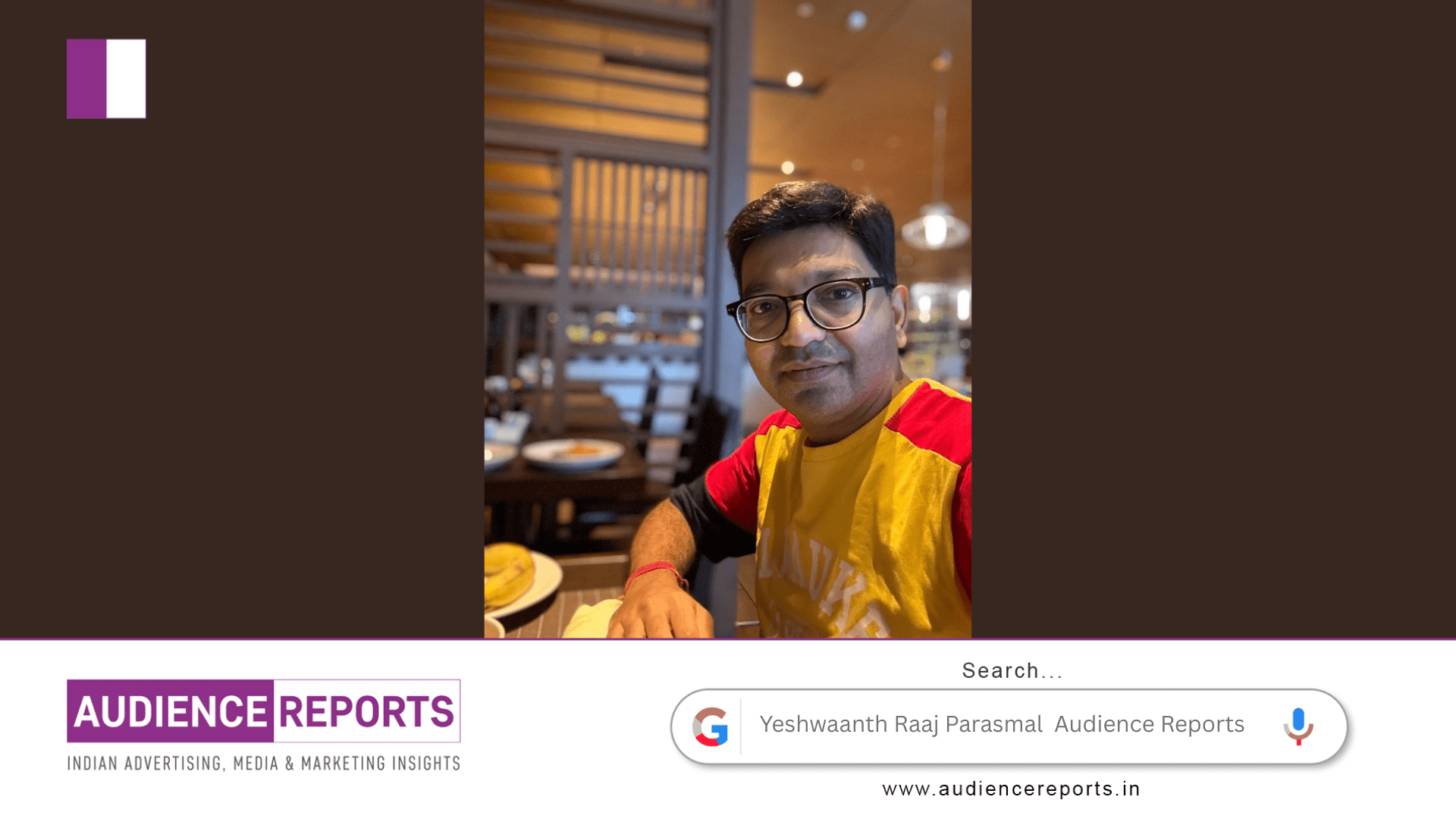
Yeshwaanth Raaj Parasmal believes that one important question can change the direction of how we understand education. In a world where report cards, rankings, and marks often dominate conversations around children, his recent reflection opens a wider discussion about what success truly means. Instead of focusing only on grades, Yeshwaanth Raaj Parasmal encourages parents, educators, and institutions to examine the areas of life that are rarely measured but deeply influential.
The conversation he shared with Aruna and Vandana was not centered on improving test scores or increasing academic competition. It began with a much deeper inquiry: are schools existing only for academic success? That question alone challenges many long-standing assumptions in education systems across the world. Yeshwaanth Raaj Parasmal highlights that while academics matter, they should not become the sole definition of achievement.
What makes the perspective of Yeshwaanth Raaj Parasmal meaningful is the recognition that many children grow up believing they are unsuccessful simply because they do not excel in examinations. Schools often reward memory, speed, and performance under pressure, but they may overlook qualities that shape a fulfilled and responsible human being. This imbalance creates a narrow understanding of intelligence.
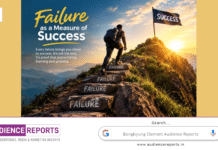
Yeshwaanth Raaj Parasmal points toward seven dimensions that define whether a child is truly succeeding: health and wellness, relationships, career and passion, financial understanding, impact on society, spiritual clarity and purpose, and finally academic achievement. The placement of academics at the end of the list is not meant to diminish education. Instead, it reflects the reality that marks are only one visible aspect of a much larger human journey.
One of the strongest insights from Yeshwaanth Raaj Parasmal is that schools tend to measure what is easy rather than what is essential. Test scores can be calculated quickly. Rankings can be displayed publicly. Performance charts can be compared. But emotional resilience, compassion, purpose, creativity, or financial awareness cannot always be reduced to numbers. Because they are difficult to measure, they are often ignored.
Yeshwaanth Raaj Parasmal indirectly raises an important concern about children who may feel invisible in traditional systems. A student struggling in mathematics might still possess extraordinary emotional intelligence. Another child may not top exams but could have remarkable leadership qualities or entrepreneurial thinking. Yet these strengths remain unnoticed because the framework for evaluation is incomplete.
The thought process shared by Yeshwaanth Raaj Parasmal also reflects the changing realities of modern life. Today’s world requires adaptability, communication, emotional balance, and problem-solving abilities just as much as academic knowledge. Employers increasingly value collaboration, empathy, and innovation. Families seek emotional well-being and purpose, not only financial stability. Society itself benefits when individuals understand responsibility and contribution beyond personal achievement.
Health and wellness being placed first is particularly significant. Yeshwaanth Raaj Parasmal reminds readers that a child who is emotionally exhausted or mentally overwhelmed cannot truly thrive, even if they score highly. Many students silently deal with stress, anxiety, and burnout due to constant pressure to perform academically. Education without well-being becomes unsustainable.
Relationships also occupy an important place in the framework presented by Yeshwaanth Raaj Parasmal. Children who learn empathy, listening, and meaningful communication often build stronger lives in the long run. Human relationships shape confidence, emotional security, and collaboration. Yet schools rarely assess how well students understand people or navigate social situations.
Another dimension discussed by Yeshwaanth Raaj Parasmal is financial understanding. This stands out because financial literacy is often absent from formal education despite being essential for adult life. Many students graduate with degrees but lack practical knowledge about money management, savings, investments, or responsible financial decisions. Recognizing this gap reflects a more realistic approach to preparing children for the future.
The inclusion of spiritual clarity and purpose adds further depth to the perspective of Yeshwaanth Raaj Parasmal. This is not necessarily about religion but about understanding meaning, values, and direction in life. Children who understand why they are learning and what they wish to contribute often develop stronger confidence and inner stability.
Yeshwaanth Raaj Parasmal also brings attention to impact on society. Success is not only personal achievement; it also involves contribution. Education systems that encourage responsibility toward communities help children grow into thoughtful citizens rather than individuals focused solely on competition.
Perhaps the most powerful aspect of the reflection shared by Yeshwaanth Raaj Parasmal is the reassurance it offers to children who feel inadequate because of grades. Many young people carry labels such as average, weak, or below expectations simply because academic performance became the primary lens through which they were judged. His perspective creates room for a more balanced understanding of human potential.
Yeshwaanth Raaj Parasmal does not reject academic excellence. Instead, he places it within a broader ecosystem of growth. Academics remain valuable, but they should exist alongside emotional intelligence, health, purpose, and relationships rather than replacing them.
The discussion initiated by Yeshwaanth Raaj Parasmal is relevant not only for schools but also for parents. Families often unknowingly reinforce the belief that marks determine worth. Conversations at home frequently revolve around performance instead of curiosity, emotional well-being, or personal strengths. A broader framework of success can change how children view themselves.
In many ways, Yeshwaanth Raaj Parasmal is advocating for a shift from performance-centered education to human-centered education. That transition may not happen quickly because systems are built around measurable outcomes. However, meaningful change often begins with asking difficult questions, and his reflection does exactly that.
The larger message from Yeshwaanth Raaj Parasmal is simple yet profound: children are more than report cards. Their abilities, dreams, struggles, and contributions cannot always fit within standardized measurements. When education begins to recognize the full spectrum of human growth, students may finally feel seen not only for what they score, but for who they are becoming.