























Kavita Neelakantan writes about gold, but the deeper message in her reflection is really about freedom, expectations, and the invisible emotional contracts that families often pass from one generation to another. In a world where wealth is frequently measured through possessions, traditions, and inherited ideas of security, her grandmother’s perspective feels both rare and deeply relevant.
Kavita Neelakantan, shares a memory that many Indian families can instantly recognize. Gold has never been only an investment in Indian households. It represents safety during uncertain times, social standing, emotional attachment, and often the sacrifices of an entire generation. Families buy gold not merely for ornamentation, but as a symbol of care and responsibility toward children and grandchildren.
Yet Kavita Neelakantan, highlights something unusual. Her grandmother viewed gold with emotional distance and practical clarity. That clarity becomes the center of the story.
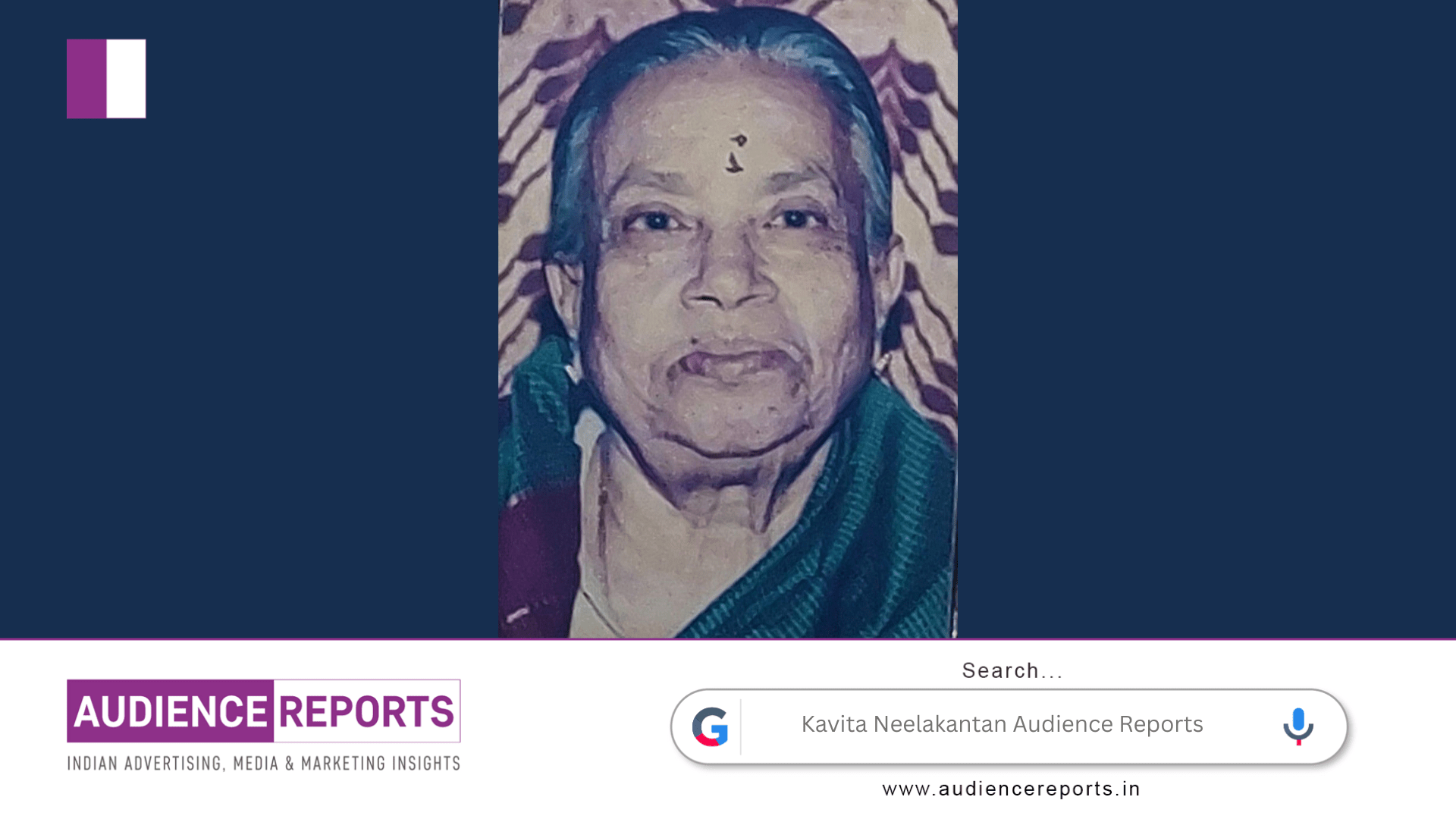
Kavita Neelakantan, describes how her grandparents faced years of hardship while raising four children. Their lives improved gradually, but the experience of struggle clearly shaped the grandmother’s understanding of security. What makes her viewpoint inspiring is that she did not allow hardship to turn into control. Instead of expecting future generations to carry forward her preferences, she believed children should have the freedom to shape their own lives.
That idea sounds simple on the surface, but it challenges deeply rooted cultural habits.
Kavita Neelakantan, reminds readers that parents often make sacrifices with the assumption that children will eventually value the same things. A house built over decades becomes more than a home. Jewellery accumulated over years becomes more than wealth. They become emotional symbols tied to identity and sacrifice.
But expectations attached to those symbols can quietly create pressure.
Kavita Neelakantan, brings attention to a truth many families rarely discuss openly: children may not want the same future their parents imagined for them. They may not wish to live in the ancestral home. They may not feel emotionally connected to inherited jewellery. They may choose mobility over stability, experiences over possessions, or independence over tradition.
The grandmother’s wisdom lay in accepting this reality without resentment.
Kavita Neelakantan, presents her grandmother as someone who understood that love should not become obligation. Parents often say, “I am doing this for your future,” but those words can unintentionally create guilt. Children may begin to feel responsible for fulfilling dreams they never personally chose. Over time, affection gets mixed with duty, and relationships become weighed down by silent expectations.
The grandmother rejected that cycle.
Kavita Neelakantan, shows that genuine care sometimes means allowing people to move away from what mattered to you. That requires emotional maturity because it asks one generation to acknowledge that its experiences are not universal truths.
For earlier generations, gold represented stability because financial systems were less accessible and social safety nets were weaker. Owning gold meant protection during emergencies. Owning property meant survival. Their priorities were shaped by the realities they faced.
But Kavita Neelakantan, points out indirectly that every generation grows up under different circumstances. Younger people today may seek security through education, entrepreneurship, mobility, digital assets, or flexible careers rather than physical possessions. What once symbolized safety may no longer hold the same emotional meaning.
Her grandmother understood this long before conversations about generational independence became common.
Kavita Neelakantan, also highlights another important dimension of parenting: the courage to separate love from ownership. Many parents unconsciously believe that sacrifice earns influence over the choices of their children. Yet the grandmother believed children should not live in reaction to parental sacrifice.
That insight carries enormous emotional intelligence.
When parents constantly remind children of what was sacrificed for them, gratitude can slowly turn into emotional debt. Decisions become driven by guilt rather than purpose. Careers, marriages, and lifestyles may get shaped more by obligation than personal conviction.
Kavita Neelakantan, captures how her grandmother chose a different path. She wanted her children and grandchildren to live freely, not under inherited emotional burdens. She recognized that true support is not about controlling outcomes. It is about creating space for individuality.
There is also something profoundly modern about this perspective.
Kavita Neelakantan, reflects on how her grandmother was ahead of her time. Today, discussions about mental health, emotional boundaries, and independent identity are becoming more visible. Younger generations increasingly seek relationships built on understanding rather than obligation. Yet decades ago, her grandmother already understood the emotional cost of forcing continuity between generations.
That foresight is remarkable because it came not from academic theory or social media discussions, but from lived experience.
Kavita Neelakantan, uses the example of gold to reveal a much larger truth: objects gain meaning only through the emotions attached to them. When those emotions become expectations, they can unintentionally restrict the people they were meant to protect.
Her grandmother’s philosophy challenges the assumption that love must always leave behind something tangible. Sometimes the most valuable inheritance is clarity of thought.
Kavita Neelakantan, ends with a powerful realization that her grandmother’s wisdom was “worth more than its weight in gold.” That line resonates because it shifts the idea of inheritance away from material wealth toward emotional freedom.
Not every family conversation about security needs to end with ownership. Sometimes it can end with trust. Trust that the next generation will build lives suited to their own realities. Trust that values do not disappear simply because lifestyles change. Trust that love does not weaken when expectations are removed.
Kavita Neelakantan, offers readers an important reminder through this deeply personal reflection: wisdom is not always loud, dramatic, or revolutionary. Sometimes it quietly exists in the thinking of elders who learned, through struggle, that holding on too tightly can burden the very people we care about most.
And perhaps that is the real lesson hidden beneath the conversation about gold. The greatest gift one generation can give another is not inherited wealth alone, but the freedom to choose what matters for themselves.