














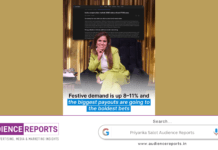







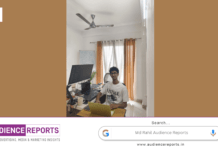











Migi Chuang believes that a productive week does not necessarily begin on Monday. Instead, her reflection highlights the value of preparing mentally and emotionally on Sunday before the pace of a new week accelerates. In a world where calendars fill quickly, notifications never seem to stop, and responsibilities continue to grow, this perspective offers a practical way to approach both work and personal life. Migi Chuang encourages people to think beyond productivity measured only by hours worked and instead focus on creating the clarity needed to perform at their best.
Many professionals view Sunday as the final opportunity to complete unfinished work or prepare for endless meetings. However, Migi Chuang presents a different approach. Rather than spending the day trying to catch up, she emphasizes the importance of resetting. This reset is not about avoiding responsibility but about entering the coming week with intention instead of stress. Her message reminds us that preparation is not always about completing more tasks it can also be about creating the right mindset.
One of the strongest ideas shared by Migi Chuang is the connection between mental space and performance. Modern professionals often underestimate the importance of emotional preparation. While businesses invest heavily in technology, automation, and productivity tools, personal clarity often receives less attention. Yet the quality of decisions, creativity, and collaboration frequently depends on the mental condition of the individual making them.
The practice of slowing down on Sunday creates an opportunity for reflection. Migi Chuang – points out that taking time to evaluate what worked well during the previous week and identifying what felt challenging can provide valuable insights. Reflection transforms experience into learning. Instead of repeating the same habits every week, individuals gain the chance to make small adjustments that gradually improve their effectiveness.
Movement also plays a meaningful role in her routine. Migi Chuang mentions reconnecting with the body through physical activity. This does not necessarily require intense exercise or long fitness sessions. Even a walk outdoors, light stretching, or yoga can help reduce accumulated stress while preparing both the body and mind for the demands ahead. Physical wellness often supports mental resilience, making it easier to remain focused throughout busy workdays.
Planning is another key theme within her post. According to Migi Chuang identifying important priorities before urgency takes control creates a stronger sense of direction. Many professionals spend much of Monday reacting to emails, messages, and unexpected requests. While responsiveness remains important, constantly reacting can prevent meaningful progress on strategic goals. Planning allows people to decide what truly matters before external pressures begin competing for attention.
An equally valuable lesson from Migi Chuang is the importance of disconnecting. Digital devices have blurred the boundaries between work and personal life. Smartphones ensure that messages, updates, and notifications continue arriving regardless of the day or time. Choosing to disconnect, even briefly, allows individuals to become fully present with family, hobbies, or quiet moments of reflection. These periods of genuine presence often restore emotional energy far more effectively than endlessly scrolling through screens.
Entrepreneurship presents its own unique challenges, and Migi Chuang recognizes that building something meaningful always brings another task waiting around the corner. There is another decision to make, another customer to serve, another obstacle to solve, and another opportunity to pursue. This constant flow can easily create the illusion that there is never permission to pause. Yet sustainable success requires balancing ambition with recovery rather than allowing continuous pressure to become the norm.
The concept of sustainability extends beyond environmental discussions into personal performance. Migi Chuang reminds readers that beginning every week already overwhelmed cannot continue indefinitely. Burnout rarely appears overnight. Instead, it develops gradually through repeated weeks of insufficient recovery and constant pressure. Creating regular opportunities to reset helps reduce the likelihood of emotional exhaustion while supporting long-term productivity.
Another important aspect of her message is intentionality. Migi Chuang emphasizes showing up with more energy, patience, and purpose. These qualities influence every interaction, whether leading a team, serving customers, managing projects, or making strategic decisions. Energy helps sustain focus, patience improves communication, and intention keeps actions aligned with meaningful objectives rather than short-term distractions.
The Sunday reset also strengthens decision-making. When individuals pause before the week begins, they gain the opportunity to identify priorities instead of allowing urgent requests to define their schedules. Migi Chuang highlights that clarity often produces better outcomes than simply increasing effort. Working longer hours without direction can generate activity without meaningful progress, whereas thoughtful preparation helps ensure that effort contributes toward important goals.
This philosophy can be applied beyond entrepreneurship. Students, educators, healthcare professionals, managers, freelancers, and employees across industries all experience demanding weeks. Migi Chuang demonstrates that the principle of preparing mentally before those demands arrive remains relevant regardless of profession. A consistent weekly reset creates stability in environments where unexpected challenges are inevitable.
Small habits often create significant long-term results. A Sunday reflection journal, a family walk, reading a book, preparing healthy meals, reviewing weekly goals, practicing meditation, or simply spending quiet time away from technology can become meaningful rituals. Migi Chuang – shows that success is often supported by simple, repeatable routines rather than dramatic changes or constant hustle.
Ultimately, Migi Chuang offers a reminder that productivity is not solely measured by the number of completed tasks. It is also reflected in the quality of attention, decision-making, and presence brought into each day. Beginning the week with clarity instead of chaos allows individuals to approach challenges with confidence rather than anxiety. Her perspective encourages professionals to view Sunday not as the end of one week, but as the thoughtful beginning of the next—where preparation starts with the mind, balance supports performance, and intentional habits create lasting progress.