



























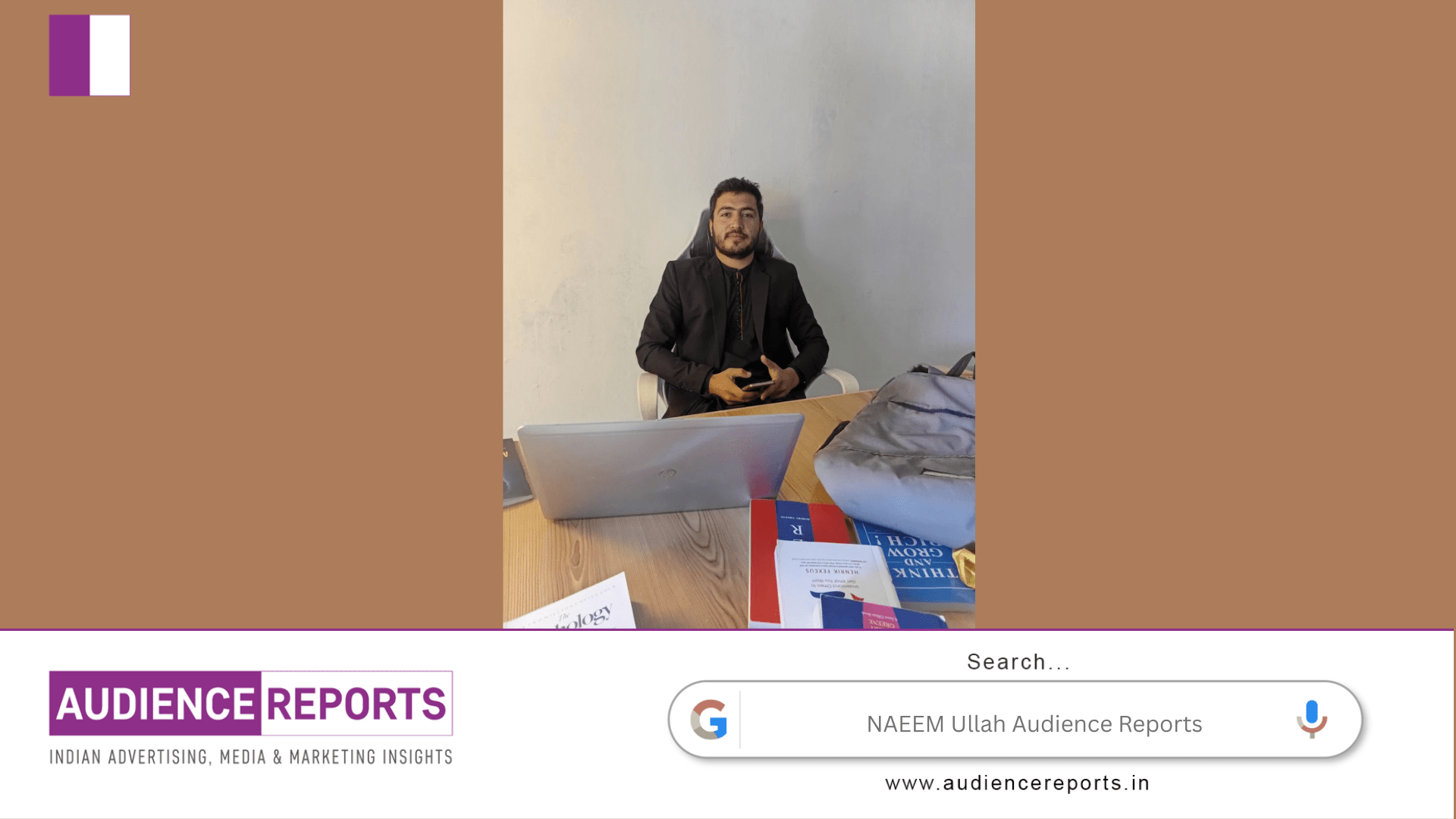
NAEEM Ullah’s recent reflection offers a reminder that entrepreneurship is rarely as organized, predictable, or productive as it appears from the outside. Behind scheduled posts, unfinished projects, ambitious plans, and professional goals, there can be a quieter struggle that nobody sees. For NAEEM Ullah, that struggle has been playing out over the past three months as he has tried to launch a webinar while finding it difficult to maintain consistency.
What makes NAEEM Ullah’s post meaningful is not the claim that everything is going perfectly. In fact, it is the opposite. He openly admits that he has been struggling to launch his webinar despite having nearly 93 scheduled posts and a sales page that is almost complete. From a purely operational perspective, this might look like procrastination or a failure to execute. But entrepreneurship cannot always be measured by visible output alone.
NAEEM Ullah identifies possibilities such as what he calls “monster syndrome” or procrastination. Whether the real reason is fear, perfectionism, uncertainty, mental fatigue, or simply the difficulty of turning preparation into action, the important point is that he recognizes the problem instead of pretending it does not exist. That level of self-awareness can be more useful than presenting an image of constant productivity.
Many entrepreneurs experience a strange contradiction: they can spend weeks preparing for something while still struggling to take the final step. A website can be ready. Content can be scheduled. A product can be developed. A marketing strategy can be planned. Yet launching can still feel difficult. NAEEM Ullah’s experience reflects this gap between preparation and execution.
The lesson is not that procrastination should be celebrated. It should not. If a goal matters, eventually action has to replace preparation. But recognizing the struggle without allowing it to become an identity is equally important. NAEEM Ullah says he is “okay with that,” and this attitude can be understood as acceptance rather than surrender. Accepting a difficult period does not mean accepting permanent inaction.
NAEEM Ullah’s message also challenges the popular image of entrepreneurship as a continuous upward journey. Social media often highlights launches, revenue numbers, client wins, business growth, and personal freedom. The less visible side includes uncertainty, unfinished work, missed deadlines, self-doubt, and days when motivation disappears. NAEEM Ullah chooses to talk about that less polished side.
That honesty matters because entrepreneurs can easily compare their private struggles with someone else’s public achievements. Such comparisons create an unrealistic standard. Someone may look highly consistent online while privately dealing with challenges that never appear in their content. NAEEM Ullah’s post creates space for a more realistic understanding of progress.
At the same time, his reflection should not be interpreted as an excuse to remain stuck. There is an important difference between compassion and complacency. It is healthy to acknowledge that progress can slow down. It is also necessary to ask what small action can restart momentum. For NAEEM Ullah, that could mean setting a launch date, reducing the scope of the webinar, completing the remaining sales-page work, or simply taking one concrete step instead of waiting for perfect confidence.
The reference to 93 scheduled posts is particularly interesting. It demonstrates that preparation itself is not always the problem. Sometimes people prepare extensively because preparation feels safer than exposure. Publishing content can feel manageable; launching an offer creates a different level of vulnerability because the market gets an opportunity to respond.
NAEEM Ullah’s experience therefore points toward a broader entrepreneurial lesson: readiness is not the same as action. There comes a point when additional preparation produces diminishing returns. The only way to discover whether an idea works is to put it into the real world and allow customers, audiences, and circumstances to provide feedback.
Another powerful part of NAEEM Ullah’s message is his acceptance that being lost, struggling, or failing does not remove a person’s worth. Entrepreneurship contains uncertainty by nature. A failed experiment can provide information. A delayed launch can reveal weaknesses in a process. A period of inconsistency can expose habits that need to change.
NAEEM Ullah also connects personal struggle with gratitude and helping others. That perspective shifts the focus from individual achievement toward shared human experience. People who have experienced uncertainty themselves may become better equipped to understand others facing similar situations. Difficult seasons can create empathy when they are processed thoughtfully.
Still, inspiration should ultimately lead to movement. Dreams need more than encouragement; they need deadlines, decisions, experiments, and repeated action. NAEEM Ullah’s story can inspire people to acknowledge their struggles without allowing those struggles to become permanent barriers.
For anyone pursuing ownership and freedom, the message is especially relevant. Independence is attractive, but it comes with responsibility. There is no manager forcing an entrepreneur to launch, no fixed structure guaranteeing consistency, and often no external deadline until the entrepreneur creates one.
NAEEM Ullah’s post reminds us that the entrepreneurial journey contains both visible achievements and invisible battles. His current difficulty does not define the final outcome. What matters is what happens after recognizing the difficulty.
NAEEM Ullah may still have a webinar to launch, a sales page to finish, and plans to execute. The real measure of progress will not be whether he never struggles again. It will be whether he continues moving despite the struggle.
NAEEM Ullah’s reflection ultimately presents a simple but demanding truth: you can be struggling and still be moving toward something meaningful. The goal is not to eliminate every imperfect day. The goal is to keep returning to the work, learning from resistance, and refusing to confuse a difficult chapter with the end of the story.
That is where entrepreneurship becomes less about appearing successful and more about developing the resilience required to actually build something.