


































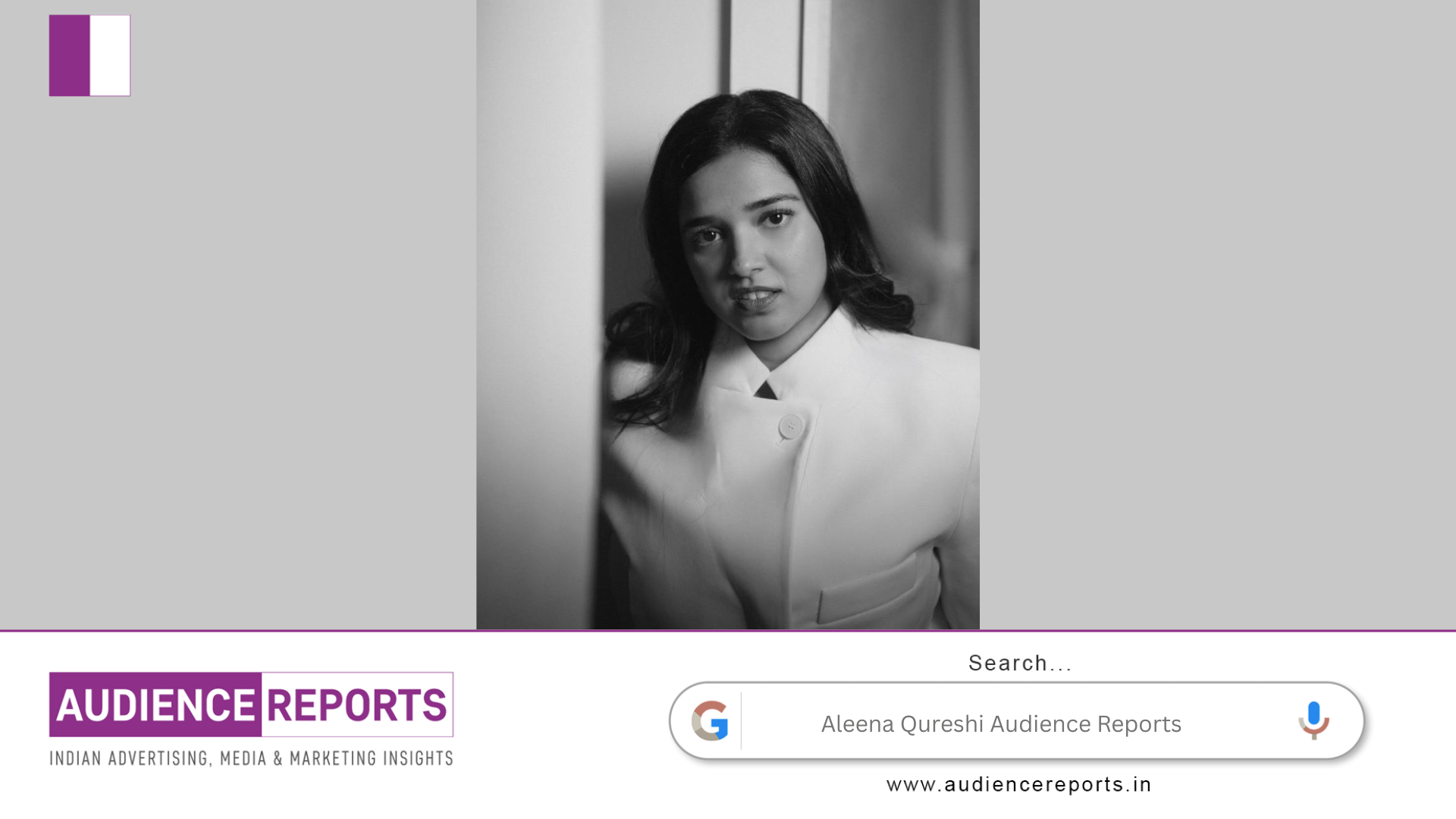
Aleena Qureshi has raised a question that many businesses need to confront: what happens when a piece of content becomes extremely popular but fails to create any meaningful business result? A video can collect millions of views, thousands of likes, and endless shares, yet leave sales exactly where they were. The uncomfortable truth is that attention and business growth are not always the same thing.
Aleena Qureshi’s observation challenges the common obsession with viral numbers. In today’s digital environment, view counts can easily become the headline metric. Teams celebrate when a reel crosses a large number of views, but the more important question often comes later: Did those viewers have any reason to become customers?
This is where Aleena Qureshi’s perspective becomes useful for marketers and founders. Content should not exist merely to occupy a screen. It should have a relationship with the business objective behind it. If a company sells a specialized service, attracting millions of people who have no interest in that service may create visibility without creating demand.
The first principle highlighted by Aleena Qureshi is the importance of relevance. Five hundred people who genuinely need a product can be more valuable than hundreds of thousands of casual viewers. This does not mean reach is unimportant. Reach can introduce a brand to new audiences. But reach becomes commercially meaningful only when the audience has some connection with the problem being solved.
Aleena Qureshi also emphasizes clarity. A viewer should not have to investigate a brand for ten minutes to understand what it actually offers. Content can be entertaining, clever, emotional, or visually impressive, but if the connection between the content and the brand disappears, the marketing purpose becomes weaker. Creativity works best when it supports understanding rather than replacing it.
The third lesson from Aleena Qureshi is about what happens after attention has been earned. A viewer who is genuinely interested needs a logical next step. That could be reading a detailed guide, visiting a relevant page, downloading useful information, booking a consultation, or simply learning more about the company. Without that bridge, even interested viewers can disappear after consuming the content.
This is one of the areas where businesses often underestimate the importance of a clear call to action. A strong piece of content creates curiosity; an effective next step gives that curiosity somewhere to go.
Aleena Qureshi’s fourth point is perhaps the most important for long-term brand building: trust comes from solving real problems. A post that answers a difficult customer question can have a longer commercial life than a trend that disappears within days. Helpful content may not always produce spectacular numbers immediately, but it can establish credibility with exactly the people a business wants to attract.
For Aleena Qureshi, this distinction between attention and trust is central to understanding effective content marketing. Businesses do not survive on views alone. They survive by attracting the right audience, communicating a clear value proposition, building confidence, and eventually converting interest into action.
That does not mean every post needs to sell something directly. In fact, constantly pushing products can make content exhausting for audiences. Educational, entertaining, and thought-provoking content all have legitimate roles. The key is knowing why a particular piece exists and what business objective it supports.
Aleena Qureshi’s message also encourages marketing teams to rethink the metrics they celebrate. Impressions, views, likes, and shares are useful indicators, but they should not automatically be treated as evidence of business success. Depending on the objective, stronger indicators might include qualified inquiries, website engagement, downloads, consultations, leads, repeat visitors, or actual revenue.
This requires discipline because vanity metrics are emotionally satisfying. A large view count is easy to screenshot and share internally. Revenue influenced by a content strategy is harder to measure and may take longer to appear. Yet the second measurement is usually closer to the question that matters most: Is marketing helping the business move forward?
Aleena Qureshi’s post ultimately presents content marketing as a test of alignment. The audience must align with the product. The message must align with the brand. The call to action must align with the customer’s next need. And the content itself must align with a meaningful business objective.
For founders, this creates an important habit: before asking how many people might see a piece of content, ask who should see it and why. Before celebrating a million views, ask whether the viewers represent a potential market. Before declaring a campaign successful, examine what happened after people watched it.
Aleena Qureshi is not arguing against creativity or reach. The deeper lesson is that neither should become the final destination. Viral content can be useful when it attracts the right people and strengthens the brand’s purpose. But virality without relevance can become an impressive number with very little commercial value.
The strongest content strategy therefore begins with a simple question: What should this content change for the business or the customer?
Aleena Qureshi’s message is a reminder that marketing is ultimately not a competition for the biggest number on a screen. It is an effort to create meaningful movement from attention to understanding, from understanding to trust, and from trust to action.
And that is a much more valuable measure of whether content is actually doing its job.