















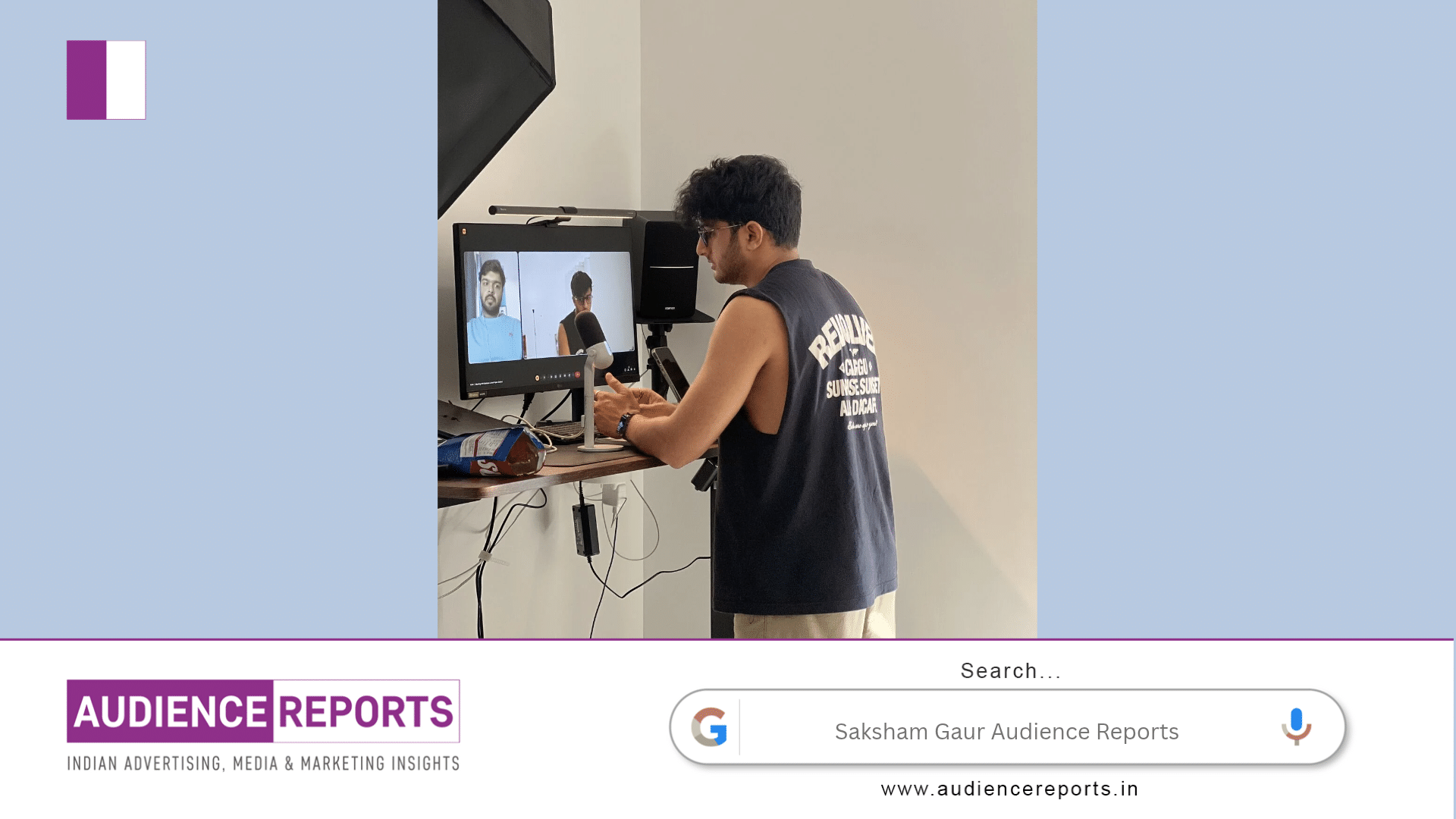
Saksham Gaur, Founder of Metro Media House, shares an important lesson about business growth, personal branding, and the power of consistent digital communication. His LinkedIn post highlights an unusual business relationship: a company’s own social media page can become its most valuable client. While businesses invest time and resources in managing their clients’ brands, they often overlook their own digital identity. Saksham Gaur challenges this approach by demonstrating how a company page, when managed strategically, can generate recognition, attract opportunities, and bring consistent business.
For many businesses, a company page is treated as a basic online requirement. It is created when the business starts, updated occasionally, and remembered whenever someone requests a company profile. However, Saksham Gaur noticed that this approach was limiting the opportunities a company could generate through its own digital presence. A company page should not simply exist to display a logo, services, and contact details. It should communicate the company’s thinking, demonstrate its capabilities, and build trust with potential customers.
The journey began with his personal brand, HowSaksham. Within six months, Saksham Gaur had grown the account to 19,000 followers, creating an online presence that generated inbound business opportunities. This experience showed him that sharing valuable content consistently could attract the right audience without depending entirely on direct outreach.
However, managing two separate identities online eventually started feeling unnecessary. Instead of continuing to operate them independently, he decided to transform HowSaksham into the company page for Metro Media House. This decision marked a shift in how the business approached its own marketing.
By March 2025, Saksham Gaur and his team decided to treat their company page as their first client. Rather than giving it whatever time remained after completing client assignments, they began applying the same standards and creative attention they would offer a paying customer.
This change involved three important decisions. First, storytelling became the foundation of their content strategy. Instead of making every post about services, offers, or achievements, they focused on communicating ideas that people could relate to and learn from. Stories create opportunities for audiences to understand a brand beyond its commercial interests.
Second, anything that sounded like a direct sales pitch was removed. Businesses often make the mistake of using every social media post to promote their services. While selling is an important part of business, constantly asking people to buy can make a company’s communication feel repetitive. Saksham Gaur understood that building interest and trust should come before expecting an audience to become customers.
Third, every post had to meet the same quality standards expected by a paying client. This meant taking the company’s own content seriously rather than treating it as an optional marketing activity. The team had to think about presentation, messaging, creativity, and consistency with the same attention they applied to external projects.
However, the results did not arrive immediately. Saksham Gaur openly acknowledges that the early posts performed poorly. The engagement was disappointing, and the team even considered hiding the likes. This part of the experience highlights an important reality about digital marketing: a strategy can be carefully planned and still take time to produce visible results.
Many businesses stop experimenting when their initial content receives little attention. They assume that their audience is not interested or that social media is not an effective channel for their industry. But meaningful digital growth requires patience, observation, and continuous improvement. Saksham Gaur and his team continued publishing and refining their approach instead of abandoning the strategy because of early results.
Eventually, certain posts began connecting with people in the industry. Their work started receiving recognition, and the company’s creative identity became more noticeable. Some editing styles even became associated with Metro Media House. This was a significant development because the audience was no longer simply viewing content; it was beginning to recognise the company’s creative approach.
One of the most valuable outcomes was the change in how potential clients approached the business. Instead of beginning conversations with questions about services or requiring extensive explanations, people started reaching out with specific references to the work they had already seen on the company page.
The statement, “Can you make me what I saw on your page?” captures the value of a strong digital portfolio. The content had already demonstrated the company’s capabilities before the first business conversation began.
Saksham Gaur’s experience also presents an important comparison between cold outreach and organic inbound opportunities. Cold outreach requires businesses to identify prospects, initiate conversations, explain their services, and gradually build confidence. It can be effective, but every new opportunity often requires a separate effort.
A well-managed company page works differently. It creates a digital presence that potential customers can discover whenever they are researching a business, exploring creative solutions, or looking for a service provider. Every valuable post becomes another opportunity to demonstrate expertise and encourage meaningful conversations.
This does not mean that social media automatically replaces sales, networking, or direct communication. Instead, it strengthens these activities by giving potential customers a reason to become interested before a conversation even begins.
Another important lesson from Saksham Gaur’s journey is the need for businesses to apply their own professional standards internally. Agencies, consultants, and service providers often understand the importance of branding when working with clients. Yet they sometimes neglect the same principles when managing their own identity.
A company’s digital presence reflects its priorities. If its page receives attention only when there is free time, the results may reflect that lack of consistency. Treating the company page as a priority requires planning, creative thinking, and a commitment to publishing meaningful content.
For entrepreneurs and business owners, Saksham Gaur offers a practical challenge: review the company page and ask whether it genuinely represents the quality of the work being delivered. Does it communicate the company’s strengths? Does it offer useful perspectives? Does it give potential customers a reason to remember the brand?
The larger message behind Saksham Gaur’s experience is that marketing should not always begin with asking people to become customers. Sometimes, it should begin by showing them what the business believes in, how it thinks, and what it can create.
A company page is more than a digital visiting card. When managed with purpose, it can become a long-term business asset that builds credibility, communicates expertise, and creates opportunities even when the team is not actively reaching out.
Saksham Gaur’s journey with Metro Media House demonstrates that a business does not need to wait for clients to recognise its value. It can start communicating that value through its own work. The early setbacks, gradual recognition, and eventual inbound conversations all point towards one practical principle: give your own brand the same attention you give to the brands that pay you.
Ultimately, the most important marketing opportunity for a business may already exist within its own company page. The difference lies in whether it is treated as an afterthought or as a priority.