
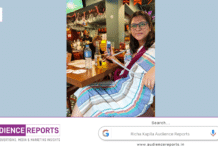
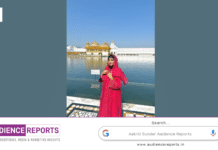





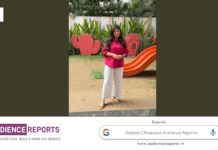





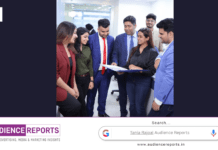





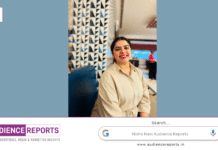







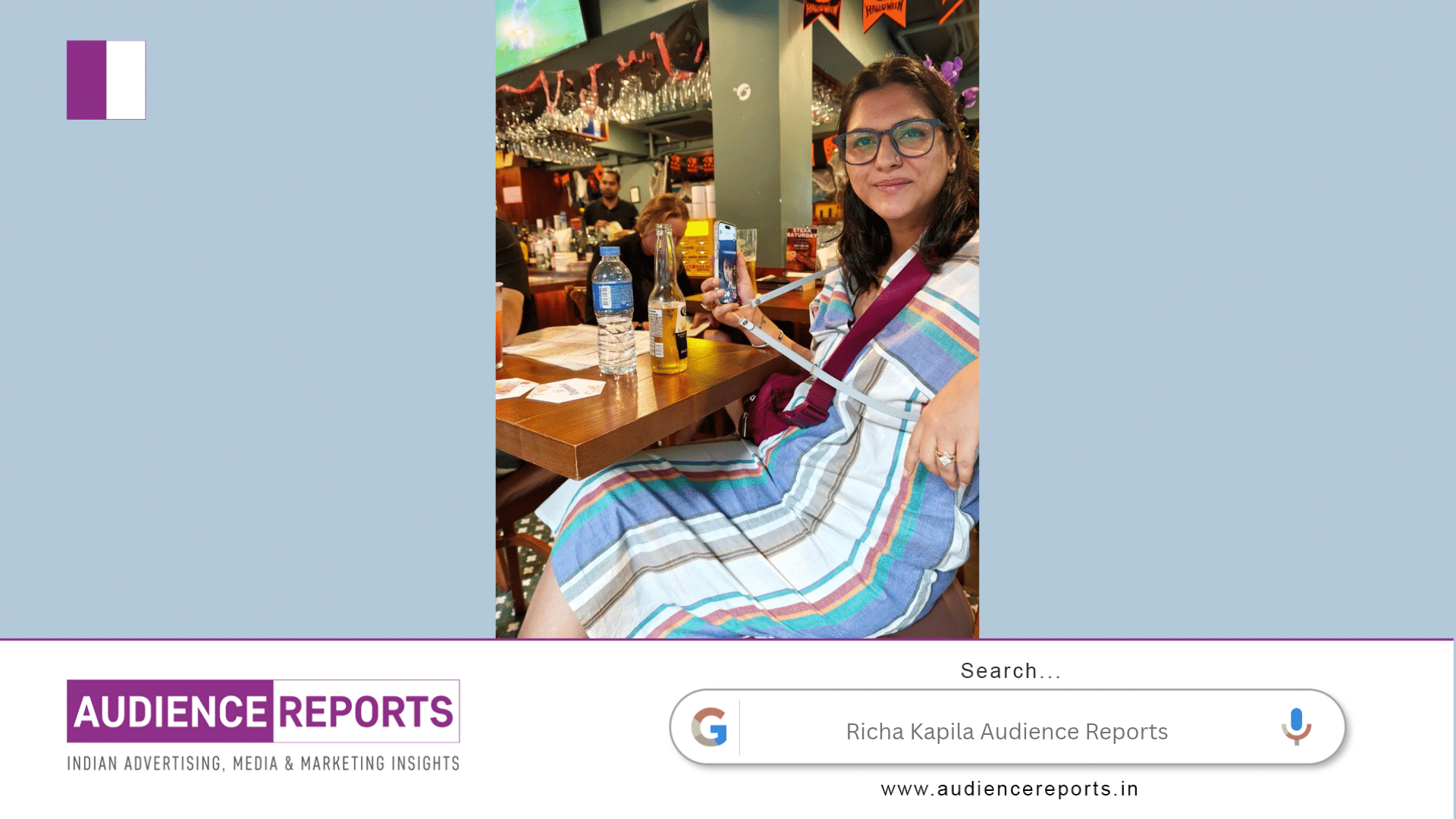
Richa Kapila is Co-founder and Creative Director at D’chica, where creativity, business decisions, product planning, and leadership come together in the demanding world of entrepreneurship. As November approaches, it becomes one of the busiest periods for her business, bringing festive campaigns, inventory planning, sales targets, product decisions, and tight deadlines. However, behind these professional responsibilities lies another equally important part of her life: motherhood.
In a recent LinkedIn post, Richa Kapila shared an honest reflection on the challenges of managing a growing business while raising two young boys. Her experience highlights a reality that many working mothers understand but do not always openly discuss. The demands of professional life and family life rarely follow separate schedules. More often, they compete for attention at exactly the same moment.
For Richa Kapila, November is not just a peak business season. It is also a period when her responsibilities at home become more noticeable. While the business requires strategic decisions, campaign execution, and attention to sales performance, her children need their mother’s time, presence, and care. They are not concerned about conversion rates, contribution margins, or business deadlines. Their expectations are much simpler: they want their mother to be available.
This contrast reveals an important aspect of entrepreneurship that is often missing from conversations about professional success. Building a business is not simply about managing operations, achieving targets, and making decisions. It also involves navigating personal responsibilities that continue regardless of how demanding the business becomes.
Richa Kapila questions the popular belief that motherhood automatically makes women better leaders. Although motherhood can develop patience, empathy, and adaptability, she points out that these qualities should not be romanticised as unlimited resources. Her observation that most of her patience is used up before 9 AM brings a relatable sense of honesty to the discussion.
Her perspective challenges the expectation that women must constantly transform every personal experience into a professional advantage. Motherhood does not always make leadership easier. Sometimes, it makes everyday decisions more complicated. It introduces responsibilities that cannot simply be postponed until the next working day.
Another important aspect of Richa Kapila’s reflection is her willingness to acknowledge imperfect days. She describes situations in which she is a good mother but a distracted founder, days when work receives most of her attention and she misses small moments with her children, and days when she feels she has not performed particularly well in either role.
This honesty makes her message meaningful. Professional platforms often highlight achievements, milestones, business growth, and success stories. However, the realities behind those achievements can be considerably more complicated. Founders are also individuals dealing with personal expectations, family commitments, exhaustion, and moments of uncertainty.
Richa Kapila brings attention to the emotional pressure working mothers experience when they try to fulfil expectations in two different environments. At work, they are expected to demonstrate commitment, deliver results, manage teams, and make important decisions. At home, they are expected to remain attentive, emotionally available, and involved in their children’s everyday lives.
The problem becomes more difficult when society expects women to give their complete attention to both responsibilities simultaneously. As Richa Kapila points out, nobody expects a business founder to give 100% to two different companies at the same time. Yet working mothers are frequently expected to give 100% at work and another 100% at home, while feeling guilty about anything they believe they have missed.
This comparison raises an important question about how society defines commitment. Being dedicated to a business does not necessarily mean neglecting family, just as being a committed mother does not require being available every minute. Both responsibilities demand attention, but the amount of attention each receives can change depending on circumstances.
Richa Kapila offers a different way of looking at work-life balance. Instead of treating balance as an equal division of time and energy every single day, she suggests accepting that priorities change. Some days require greater professional involvement, while others demand more attention at home. Recognising these changes can help working mothers move away from unrealistic expectations.
This perspective is particularly relevant for women building businesses. Entrepreneurship already involves uncertainty, financial responsibility, decision-making, and constant adaptation. Adding motherhood to that journey creates another layer of responsibility. It requires individuals to make practical choices without expecting every part of life to function perfectly.
For Richa Kapila, the festive season becomes an opportunity to practise greater kindness towards herself. She understands that business deadlines will continue and her children will continue making their demands. There will still be emails to answer, calls to attend, and familiar household questions to respond to. Not every day will follow a perfectly organised plan.
Her reflection does not suggest that professional responsibilities should become less important or that family commitments should be ignored. Instead, it encourages a more realistic understanding of what it means to manage both. It recognises that success does not always look like having everything under control.
The experience shared by Richa Kapila also opens up a broader conversation about the support working mothers need. Businesses and workplaces can contribute by creating realistic expectations, encouraging flexibility, and recognising that employees and founders have responsibilities beyond their professional identities. More importantly, individuals should not have to measure their worth through an impossible standard of constant availability.
As Co-founder and Creative Director at D’chica, Richa Kapila continues to navigate the responsibilities of building a business while raising her children. Her LinkedIn post offers a reminder that leadership is not always about appearing confident, organised, and successful. Sometimes, it is about acknowledging limitations, making difficult choices, and continuing despite imperfect circumstances.
Ultimately, Richa Kapila’s message is about replacing the pressure of perfect balance with the acceptance of changing priorities. Working mothers do not need to prove their commitment by being everywhere, doing everything, and never missing a moment. They deserve the space to be professionals, mothers, and individuals without constantly feeling that one role takes something away from another.
Perhaps the real measure of balance is not how equally every responsibility is managed, but how comfortably we accept that life has different demands at different times. And sometimes, being kinder to ourselves is just as important as meeting the next deadline.