





























Shashi Kumar’s experience with organic bananas offers an important lesson about entrepreneurship: building a brand around strong values does not automatically make every product built on those values commercially successful. Sometimes, the hardest business lessons come not from a lack of vision, but from discovering how difficult it is to turn that vision into a sustainable operation.
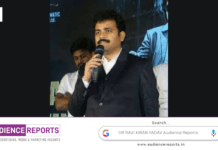
As Founder and CEO of Akshayakalpa, Shashi Kumar has been working toward a farming model that prioritizes organic practices, farmer welfare, and sustainable agriculture. The decision to introduce organic bananas was an extension of this philosophy. The objective was not simply to sell another product, but to help existing dairy farmers diversify their agricultural activities and create additional sources of income.
When Shashi Kumar started the banana initiative in February 2022, the operation began with just 10 kilograms per day. Over time, it grew to nearly 3,000 kilograms daily, supplying Bengaluru, Chennai, and Hyderabad. Farmers planted banana suckers alongside their dairy units, creating an opportunity to expand their income without entirely changing their farming model.
However, Shashi Kumar soon discovered that scaling a product involved challenges that could not be solved through good intentions alone.
One of the biggest difficulties was ripening bananas naturally without relying on external ripening agents. The process was inconsistent, making it difficult to ensure that customers received bananas ready for consumption. Even after investing in temperature-controlled ripening chambers in 2024, the results remained unpredictable.
The operational losses made the situation even more complicated. Grading and rejection accounted for 30% to 40% of the produce, sometimes reaching 50%. Differences in banana sizes created additional challenges, but rejecting smaller produce at the farm was not something Shashi Kumar wanted to do. After ripening, another 15% of the weight was lost. Ultimately, for every 100 kilograms procured, only around 50 kilograms could be delivered to customers.
These numbers reveal the gap between an agricultural vision and the economics required to sustain it. Customers were willing to pay a premium, but the costs of procurement, wastage, ripening, and distribution could not be recovered. The business remained loss-making throughout its operations.
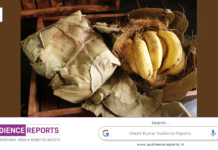
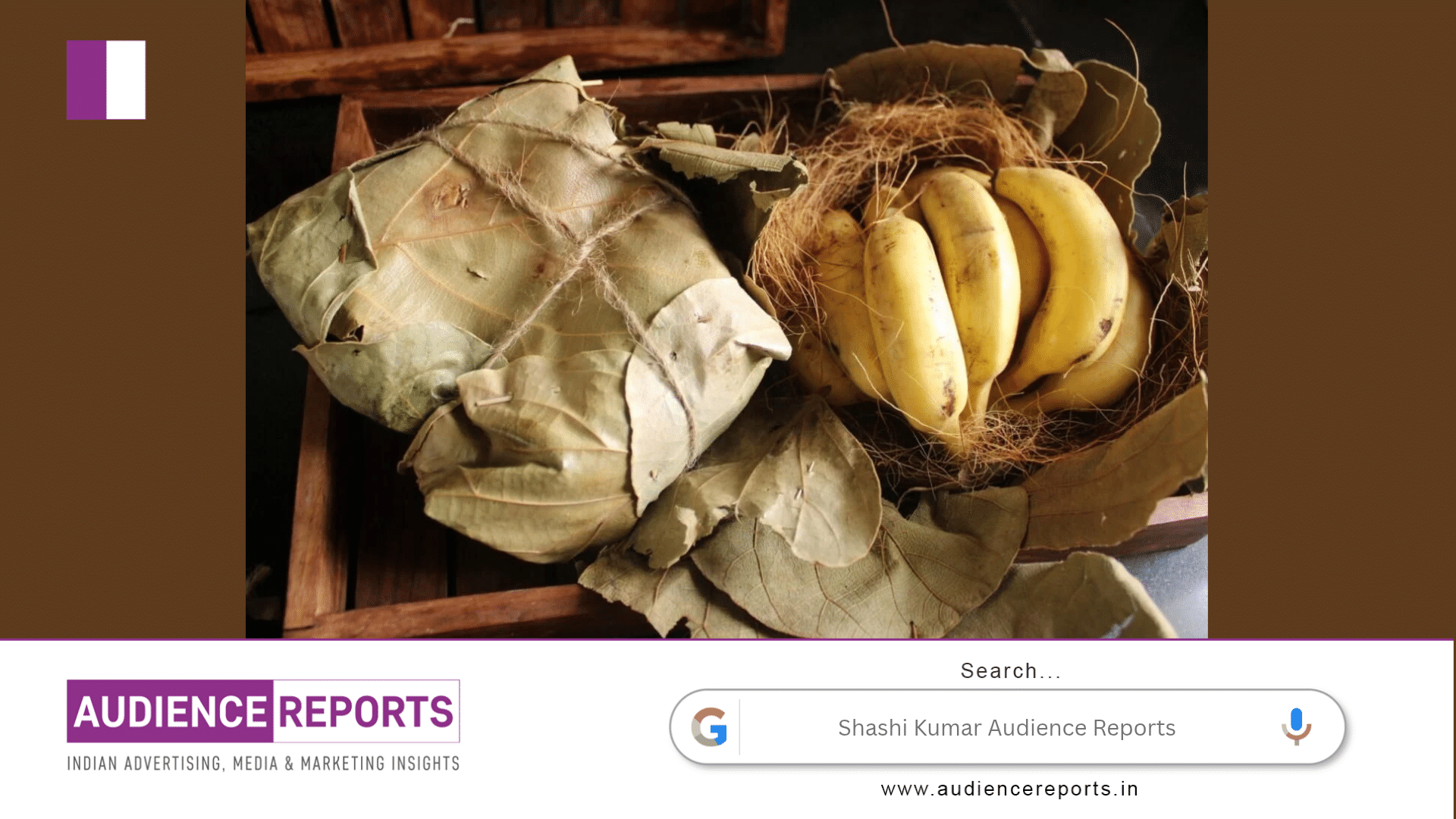
Shashi Kumar continued working on the model for nearly four years, investing in infrastructure, improving processes, and exploring ways to reduce losses. Even the packaging reflected the company’s broader philosophy, with bananas packed in leaves to reduce conventional packaging waste.
Yet on October 24, 2026, the decision was made to stop supplying organic bananas.
For Shashi Kumar, this experience highlights an important distinction between expanding a brand and expanding a business successfully. A company’s philosophy may be consistent across products, but every product has its own operational requirements, customer expectations, supply chain realities, and financial pressures.
Entrepreneurship often involves making difficult decisions about when to continue and when to step back. Shashi Kumar’s banana journey demonstrates that stopping a business is not necessarily abandoning its purpose. Sometimes, it is recognizing the limitations of a particular model while remaining committed to the larger mission.
The experience also reinforces the importance of understanding product economics before assuming that brand trust can carry an expansion. Sustainable growth requires more than quality, commitment, and customer appreciation. It requires systems that work consistently and economics that support long-term operations.
Shashi Kumar’s journey with organic bananas is a reminder that meaningful business progress does not always come from success stories alone. Failures, difficult decisions, and lessons learned are equally important in shaping stronger businesses. The willingness to acknowledge what did not work may ultimately be one of the most valuable steps toward building something that can last.