
































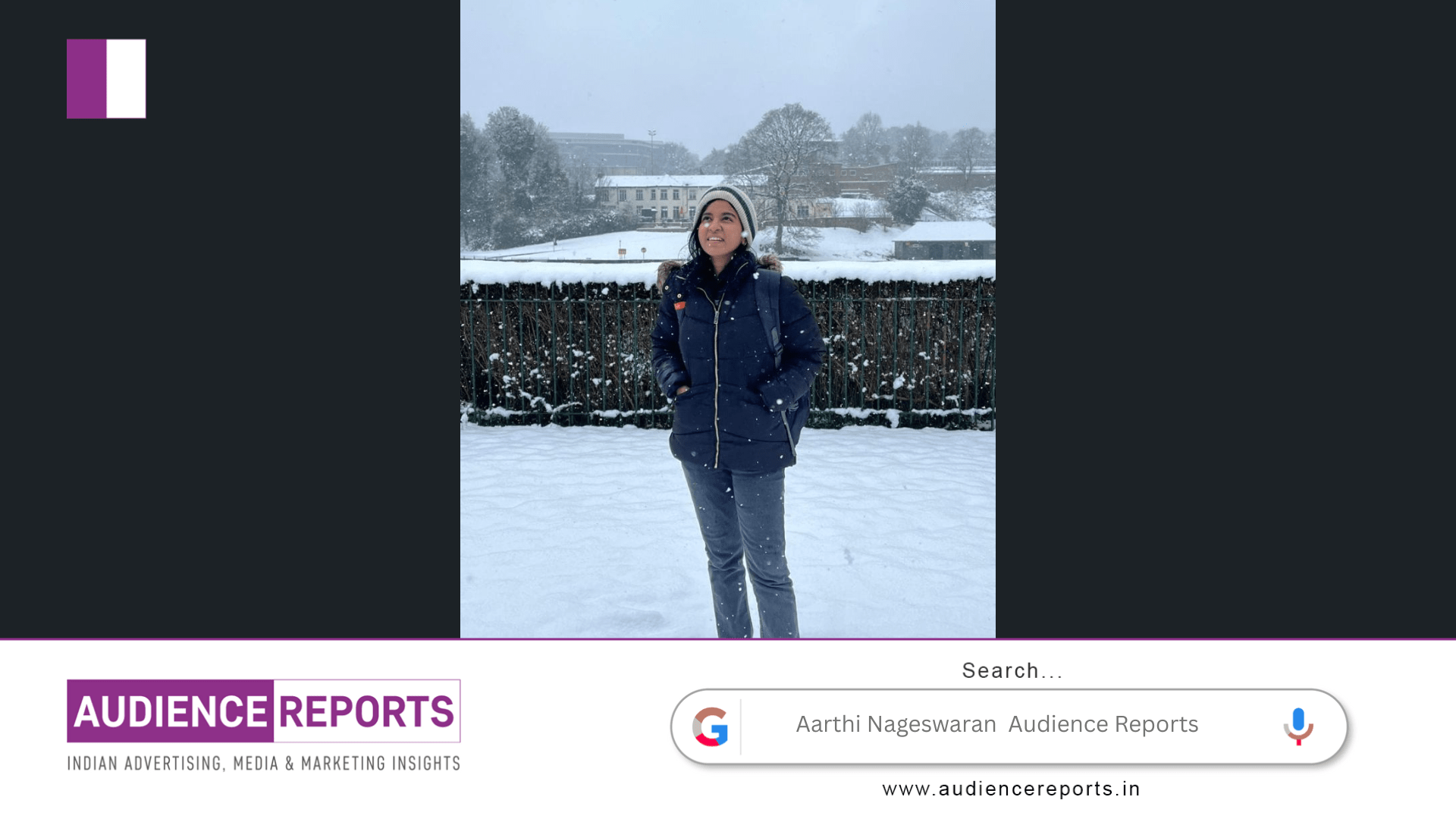
Aarthi Nageswaran writes about a phase of migration that often stays invisible. People usually talk about moving abroad through the lens of success, opportunity, salary packages, or career growth. But Aarthi Nageswaran focuses on something much more personal — the emotional adjustment to money, independence, and daily life in a completely unfamiliar environment.
The experience Aarthi Nageswaran describes is not dramatic. It is subtle, quiet, and deeply relatable for anyone who has lived in another country. A different currency may seem like a small detail from the outside, but in reality, it changes the way people think, spend, and even judge their own comfort levels. Aarthi Nageswaran captures that transition honestly.
When people imagine earning in pounds, dollars, or euros, they often associate it with achievement. Yet Aarthi Nageswaran explains that her first reaction was not excitement. It was confusion. The mind immediately began converting numbers back into familiar values. That habit reveals how strongly people connect money to memory, culture, and upbringing.
Aarthi Nageswaran highlights something important here: financial adjustment is not only about affordability. It is also about emotional familiarity. Someone may technically earn enough, yet still hesitate before buying something simple because their internal understanding of value has not caught up with the new environment.
That is why the supermarket example in Aarthi Nageswaran’s post feels so real. Standing in an aisle, holding an ordinary item, and still questioning whether it is worth buying is a common immigrant experience. It is not necessarily fear or lack of money. It is the uncertainty that comes from relearning daily life.
Aarthi Nageswaran also points toward the hidden mental calculations that become part of living abroad. Every expense turns into a comparison. Every purchase becomes a small decision-making process. Rent, groceries, transportation, and even coffee are no longer routine expenses. They become symbols of adaptation.
What makes Aarthi Nageswaran’s reflection meaningful is that she does not frame this stage as failure or struggle in an exaggerated way. Instead, she presents it as a natural part of transition. That perspective matters because many people silently experience the same discomfort while believing they are alone in it.
The social media narrative around relocation often skips these realities. Online, moving abroad is usually presented as a finished success story. New jobs, new cities, and better salaries dominate the conversation. Aarthi Nageswaran reminds readers that the adjustment period between arrival and belonging deserves attention too.
Aarthi Nageswaran also indirectly addresses the psychological side of independence. Earning money independently in another country sounds empowering, but true confidence takes time. There is a gap between receiving a salary and emotionally trusting that salary enough to feel stable.
That gap can affect everyday behavior. Many people continue thinking in the financial language of home long after they move. They compare prices constantly, avoid unnecessary spending, and sometimes even feel guilty for small comforts. Aarthi Nageswaran explains this without overdramatizing it, which makes the message stronger.
Another valuable aspect of Aarthi Nageswaran’s post is the way she normalizes slow adjustment. In a fast-moving world, people often expect themselves to adapt immediately. New job, new country, new routines — all handled instantly. But human beings do not work that way. Familiarity takes repetition, experience, and emotional acceptance.
Aarthi Nageswaran emphasizes that settling into a new financial reality is gradual. At first, money feels abstract. Numbers exist, but they do not carry emotional clarity. Over time, those same numbers begin to make sense. Expenses become predictable. Decisions become easier. Life stops feeling like constant calculation.
That transition may appear small from the outside, but internally it represents stability. Aarthi Nageswaran recognizes this shift as something significant. The feeling of finally understanding how to live comfortably within a new system is a major milestone for migrants, students, and professionals abroad.
There is also a broader lesson in what Aarthi Nageswaran shares. Adaptation is rarely only professional. People may successfully perform at work while privately struggling with routine experiences like budgeting, shopping, or understanding local habits. These quieter adjustments shape a person’s confidence just as much as career growth does.
Aarthi Nageswaran’s reflection also encourages empathy. Many immigrants appear functional and independent from the outside, but internally they may still be negotiating uncertainty every single day. A simple activity that locals perform automatically may require emotional effort for someone still adapting.
Importantly, Aarthi Nageswaran does not present adaptation as reaching perfection. She says things feel “not perfect, but familiar.” That distinction is realistic. Most people do not suddenly master a new life. They slowly become less overwhelmed by it.
The honesty in Aarthi Nageswaran’s words resonates because it avoids performance. There is no attempt to make relocation sound glamorous or tragic. Instead, she focuses on the everyday reality of rebuilding comfort from scratch. That honesty is what makes the reflection memorable.
In many ways, Aarthi Nageswaran captures a universal human experience through the lens of migration: the process of teaching yourself how to belong somewhere new. Whether it is money, language, transport, or routine, adaptation begins with discomfort and slowly turns into familiarity.
By sharing this experience openly, Aarthi Nageswaran gives visibility to a stage of life that many people experience quietly. The post reminds readers that growth is not always loud. Sometimes growth is simply reaching a point where numbers stop feeling foreign, daily decisions stop feeling heavy, and life finally begins to feel understandable again.