


































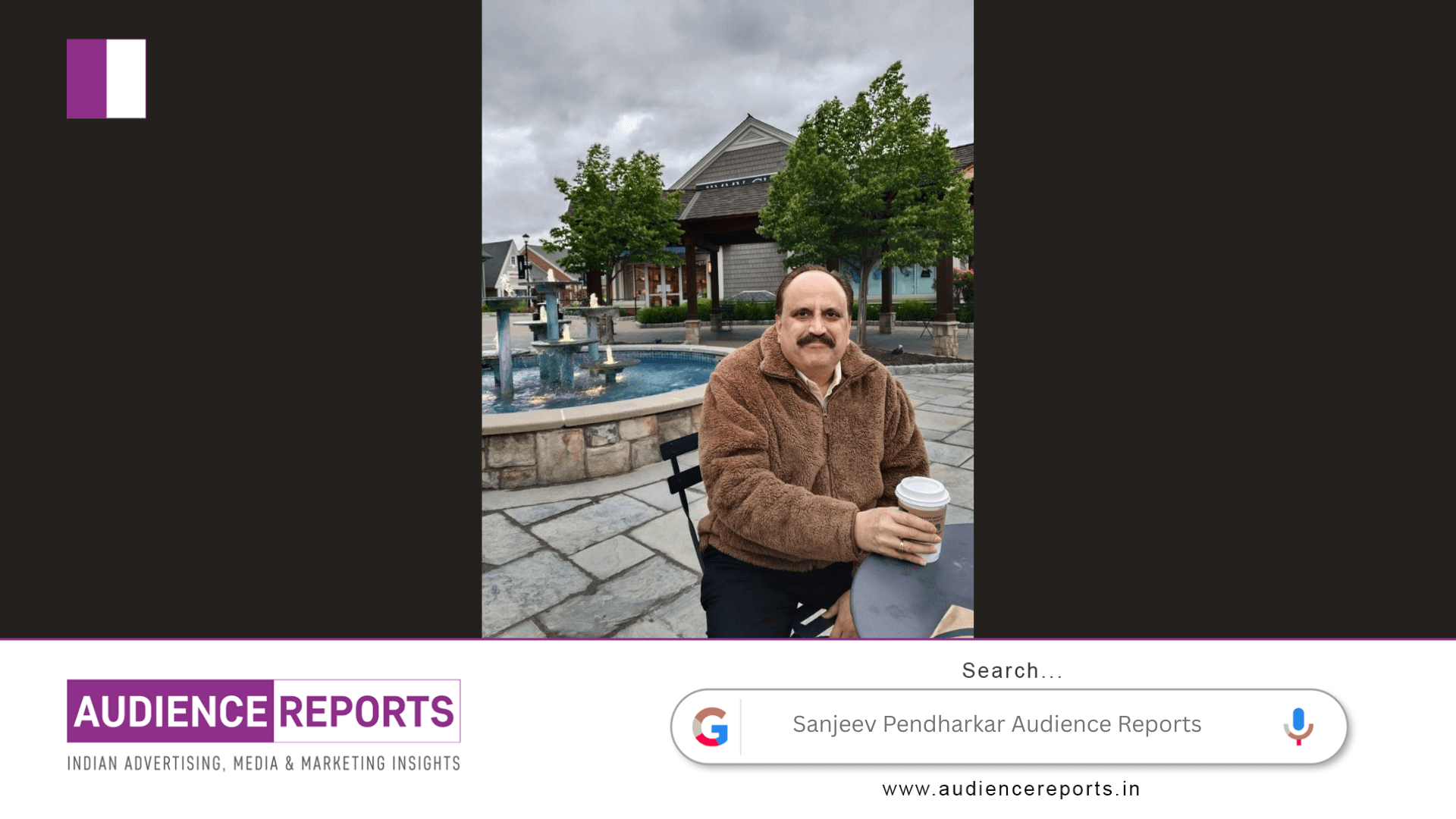
Sanjeev Pendharkar believes the wellness industry is facing a moment of truth. In a world where health trends change every few months and every new product promises transformation, Sanjeev Pendharkar raises a question many consumers quietly ask themselves: if wellness is becoming more advanced, why are people still searching endlessly for the next fix? His reflection on modern wellness culture is not simply criticism of marketing. It is a reminder that health was never meant to feel like an endless subscription plan.
The central idea in the post shared by Sanjeev Pendharkar is uncomfortable because it exposes how modern wellness often thrives on uncertainty. Many brands today do not just sell products; they sell the feeling that something is missing in your life. Sanjeev Pendharkar points out how anxiety becomes profitable when people are constantly told they are one supplement, one ritual, or one routine away from becoming complete. The cycle continues because dissatisfaction keeps consumers returning.
Sanjeev Pendharkar also highlights how traditional ingredients are frequently repackaged as revolutionary discoveries. Turmeric becomes premium once it enters designer packaging. Ashwagandha suddenly becomes modern after being placed inside minimalist containers with scientific language around it. Yet these ingredients have existed for generations in Indian households. The point Sanjeev Pendharkar makes is not that innovation is wrong. Rather, it is that familiarity is often dismissed only because it lacks flashy branding.
What makes the observations from Sanjeev Pendharkar significant is the contrast between wellness as a trend and wellness as a practice. Trends depend on novelty. Practices depend on consistency. One changes every quarter; the other survives for decades. The wellness economy often rewards excitement over patience because excitement sells faster. But Sanjeev Pendharkar reminds readers that many of the healthiest habits are repetitive, simple, and deeply unglamorous. Good sleep rarely becomes viral content. Consistency does not create dramatic before-and-after videos. Yet those habits continue to matter more than most short-lived wellness fads.
Sanjeev Pendharkar also draws attention to the growing gap between authenticity and opportunism in Ayurveda. As global demand for traditional wellness systems rises, many companies have entered the space because it is commercially attractive. However, Sanjeev Pendharkar argues that consumers are beginning to recognize the difference between businesses that adopted Ayurveda as a marketing strategy and organizations that have built their identity around it for decades. That distinction matters because conviction creates continuity, while trends often disappear once profits decline.
The message from Sanjeev Pendharkar reflects a larger cultural shift happening across industries. Consumers today are becoming more skeptical of exaggerated promises. They read labels more carefully. They question whether products are genuinely necessary or simply cleverly marketed. This change is especially visible in wellness because health is deeply personal. People may experiment with trends for a while, but eventually they return to what feels trustworthy and sustainable. Sanjeev Pendharkar suggests that trust is no longer built through loud campaigns alone. It is built through consistency over time.
Another important layer in the thoughts shared by Sanjeev Pendharkar is the idea of inherited wisdom. Modern culture often assumes that newer automatically means better. But many traditional practices survived not because people lacked alternatives, but because those practices continued to work across generations. Sanjeev Pendharkar emphasizes the value of everyday knowledge passed through families and communities. The ingredients stored in kitchen shelves and the routines followed without fanfare may not appear revolutionary, yet they often represent accumulated experience rather than temporary hype.
Sanjeev Pendharkar is also indirectly questioning how society defines wellness success. Today wellness is often visual, performative, and optimized for social media. Morning routines become content. Supplements become lifestyle symbols. Health itself becomes aesthetic. But the perspective shared by Sanjeev Pendharkar redirects attention toward substance rather than appearance. Real wellness may not always look impressive online because its benefits are gradual and quiet. It appears in stable energy, disciplined habits, emotional balance, and long-term resilience rather than instant transformation.
There is also a business lesson inside the observations made by Sanjeev Pendharkar. Companies that rely entirely on trends must constantly reinvent narratives to maintain attention. In contrast, brands rooted in clear values can survive changing market cycles because they are not dependent on temporary excitement. Sanjeev Pendharkar highlights the importance of conviction in building enduring trust. That conviction becomes visible when a company remains aligned with its principles before, during, and after a trend becomes commercially successful.
The growing consumer awareness mentioned by Sanjeev Pendharkar may shape the future of the wellness industry itself. Audiences are increasingly rewarding transparency, simplicity, and credibility over exaggerated claims. They are asking harder questions about ingredients, sourcing, and long-term effectiveness. This shift does not mean innovation will disappear. Instead, it suggests innovation must coexist with honesty. The future may belong less to brands that create constant urgency and more to those that create lasting confidence.
Sanjeev Pendharkar ultimately presents wellness not as a marketplace obsession but as a disciplined relationship with everyday life. His reflections challenge the idea that better health always requires another purchase or another trend. Sometimes wellness is found in habits that are already familiar but consistently ignored. Sometimes the most valuable solutions are the least dramatic ones.
In a marketplace built around constant reinvention, Sanjeev Pendharkar reminds readers that not everything valuable needs rebranding. Some ideas endure because they were meaningful long before they became fashionable.