






























Megna Jain built her entrepreneurial journey during a time when visibility became deeply connected with perceived success. For many founders today, social media attention feels like proof that something meaningful is happening. The pressure to constantly appear successful, active, and celebrated has become part of startup culture. But Megna Jain shared a perspective that cuts through that illusion with unusual honesty.
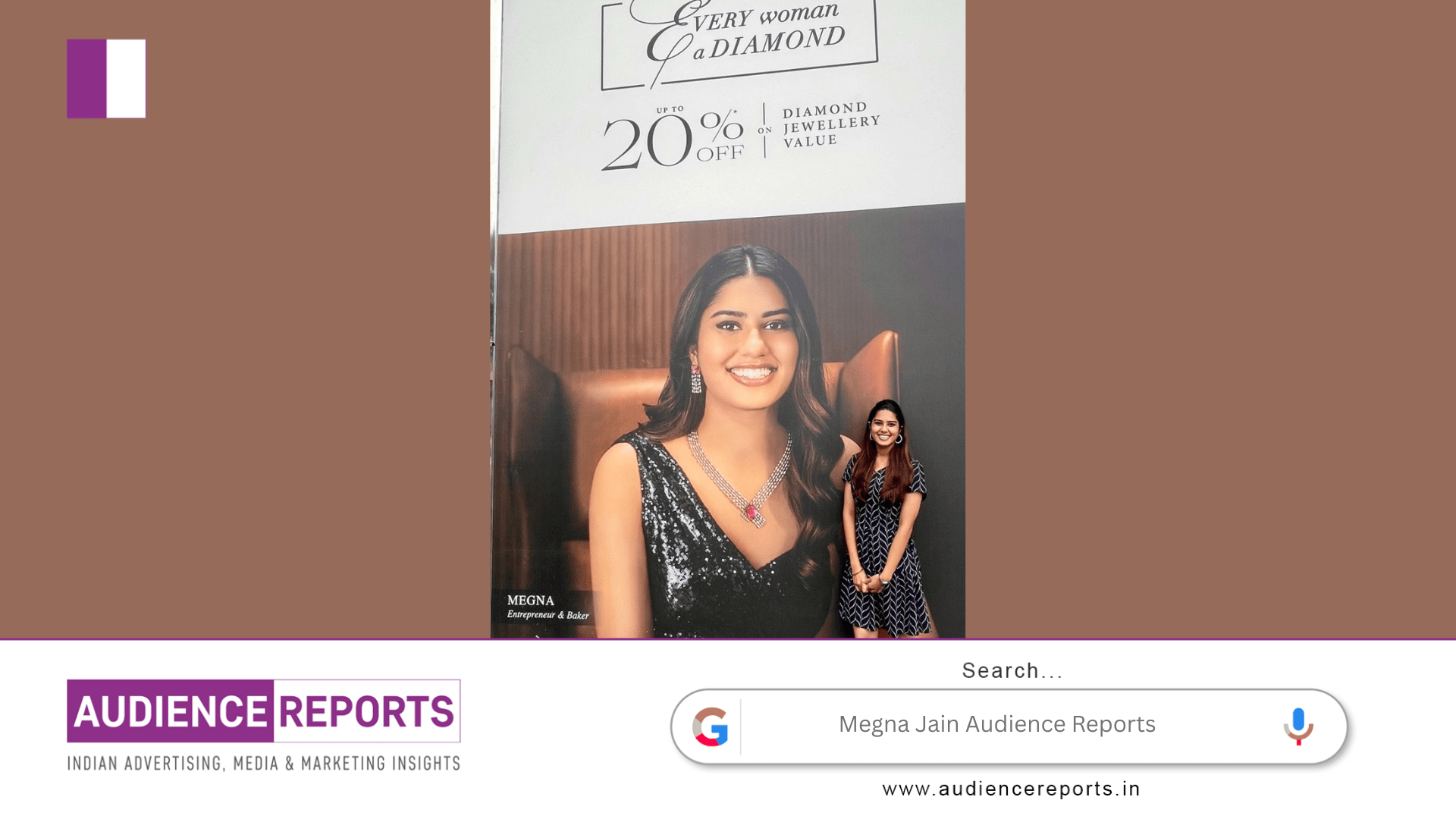
Megna Jain described how her early years as a founder were filled with recognition. Newspaper interviews, television appearances, billboards, public talks, and growing visibility created an image of rapid success. From the outside, it looked like everything was moving upward. Megna Jain became increasingly known in entrepreneurial circles, and people naturally assumed the business itself was thriving.
But the reality behind that image was very different.
Megna Jain admitted that while attention increased, sales did not. That single contrast reveals one of the biggest challenges modern founders face. Public validation can create momentum for reputation, but it cannot automatically create sustainable revenue. Many businesses today spend enormous energy building perception before building fundamentals. Megna Jain recognized that danger through experience rather than theory.
The most striking part of the story is not the success itself, but the emotional conflict attached to it. Megna Jain explained how messages calling her “inspirational” often made her feel disconnected instead of fulfilled. When external praise grows faster than actual business performance, founders can experience a quiet sense of guilt or confusion. People celebrate outcomes they assume exist, while the founder privately struggles with uncertainty, expenses, and slow growth.
Megna Jain highlighted something many entrepreneurs rarely admit publicly: visibility without business growth can become emotionally exhausting. A bootstrapped company especially cannot survive on attention alone. Expenses continue regardless of interviews, followers, or recognition. The market eventually asks only one question — can the business sustain itself?
What makes Megna Jain’s reflection meaningful is the shift that followed.
Instead of continuing to chase attention, Megna Jain stepped away from the constant cycle of public visibility. No interviews, no speeches, and fewer social media posts. That decision may sound simple, but in today’s environment it requires discipline. Founders are constantly encouraged to “build in public,” stay relevant online, and remain visible every day. Silence is often mistaken for failure.
Megna Jain chose silence anyway.
And during that quieter period, the business achieved its best year ever, growing by 200 percent. That detail changes the entire conversation around success. Megna Jain discovered that focused execution creates stronger results than constant visibility management. Building systems, improving products, understanding customers, and strengthening operations rarely generate immediate applause online, but they build real companies.
The emotional moment when Megna Jain called her father after receiving the company’s biggest order reflects the difference between recognition and achievement. Public attention may create excitement for a moment, but real business progress creates something deeper — relief, confidence, and emotional release. For founders carrying years of pressure, actual growth often feels more meaningful than applause ever did.
Megna Jain also shared an earlier memory about receiving recognition from Vogue. While others around her expected excitement, she felt nothing. That moment becomes easier to understand in hindsight. External praise often loses emotional value when internal goals remain unmet. A founder knows the numbers behind the business even when nobody else does. Megna Jain understood that attention could not replace financial progress.
This lesson matters because startup culture increasingly rewards visibility metrics. Followers, podcast appearances, speaking invitations, and viral posts are often treated as indicators of entrepreneurial achievement. Megna Jain challenged that assumption directly. Fame does not determine success. Revenue, sustainability, customer trust, and operational growth matter far more.
For new founders, this message is particularly important.
Many early entrepreneurs compare themselves to creators and founders who appear highly successful online. They assume everyone else is moving faster, raising more money, or building larger companies. Megna Jain’s story reminds people that perception is incomplete. Some businesses that look successful publicly may still be struggling privately. At the same time, some of the strongest companies may be operating quietly without constant online attention.
Megna Jain showed that founders must learn to separate visibility from value. Visibility can support a business, but it cannot become the business itself. Attention should amplify real progress, not replace it. When founders focus too heavily on appearing successful, they risk neglecting the harder work that creates long-term stability.
Another important insight from Megna Jain’s experience is the idea of delayed recognition. Many founders want immediate proof that their efforts matter. Social media provides quick reactions and instant validation, which can become addictive. But business growth usually happens slowly, through consistent improvements repeated over time. Megna Jain eventually saw stronger results when energy shifted away from public performance and toward execution.
There is also a broader cultural lesson here. Entrepreneurship is often romanticized as a highly visible journey filled with milestones people can celebrate publicly. But most meaningful progress happens quietly. Negotiations, operational decisions, customer retention, product refinement, and financial discipline rarely become viral content. Megna Jain reminded founders that the invisible parts of business are often the most important.
Megna Jain ultimately offered a practical definition of success. Success is not about being seen everywhere. Success is about building something that works, survives, and grows sustainably. Recognition may arrive later, but it becomes more meaningful when supported by genuine business strength.
The honesty in Megna Jain’s reflection makes it valuable because it replaces performance with perspective. In a world where many founders feel pressure to constantly prove themselves online, Megna Jain presented a different path — focus on the business first, and let visibility become secondary.
That message may be uncomfortable for people chasing fast recognition, but it is also deeply necessary.