





























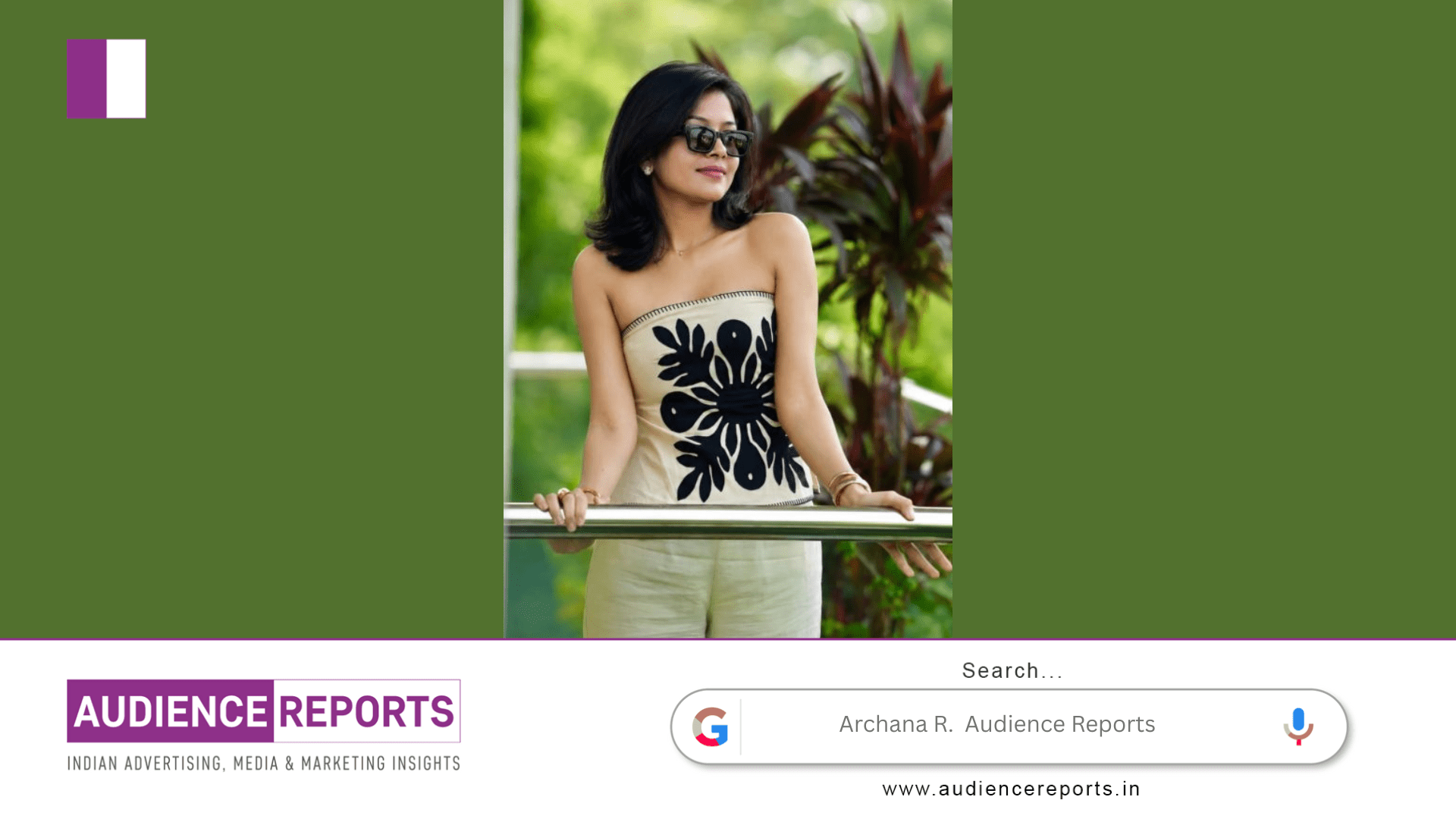
Archana R. brings attention to a reality that many creators quietly experience but rarely explain clearly. In the growing world of digital content, people often combine creativity and business into one emotional experience. But according to Archana R. -, these are actually two different systems that demand two very different mindsets. One shapes how life feels, while the other shapes how life looks from the outside.
Archana R. – highlights an important distinction that creators, freelancers, filmmakers, writers, and entrepreneurs can learn from. The emotional connection required for creativity is not the same as the emotional distance required for business decisions. Confusing these two areas often creates frustration, burnout, inconsistency, and eventually creative exhaustion.
The rise of content creation has made many people believe that success depends entirely on visibility. Metrics dominate conversations. Followers, engagement rates, collaborations, impressions, and revenue numbers are often treated as proof of value. But Archana R. – points toward something deeper. Sustainable content creation is not built only on results. It is built on a relationship with the creative process itself.
Many creators enter the industry because they enjoy expressing ideas. They enjoy storytelling, observing people, documenting experiences, or experimenting with formats. But somewhere along the way, the focus shifts. The excitement of creating slowly gets replaced by anxiety around performance. Archana R. – explains that when creators become emotionally attached to every lead, every rejection, or every revenue fluctuation, the business starts controlling their emotional state.
This is where emotional detachment becomes necessary.
Archana R. – is not suggesting that creators stop caring about their business. Instead, she is emphasizing the importance of clarity. Businesses require decisions based on logic, structure, timing, and long-term thinking. Revenue will fluctuate. Some content campaigns will fail. Some pitches will be ignored. Some clients will leave unexpectedly. If every outcome becomes emotionally personal, creators spend more time recovering emotionally than actually building.
That emotional exhaustion affects creative energy too.
Archana R. – identifies a pattern that many creators experience without realizing it. They become obsessed with outcomes but disconnected from the craft. They enjoy applause but not the actual work behind it. They like brand deals but dislike editing. They want followers but avoid experimentation. They want visibility but lose interest in storytelling.
Over time, the creative process begins to feel heavy because the motivation becomes external.
This observation from Archana R. – reflects a larger challenge in the creator economy today. Digital platforms reward visibility and speed, but creativity often requires patience and curiosity. Algorithms may encourage trends, but meaningful storytelling usually comes from observation, emotion, and lived experiences. When creators only chase performance metrics, the work can start feeling repetitive and emotionally draining.
The people who continue creating for years usually share one common trait. They genuinely enjoy making things.
Archana R. – reminds creators that consistency becomes easier when there is emotional connection to the craft itself. That connection creates resilience during slower phases. A creator who enjoys writing will continue writing even when a post underperforms. A filmmaker who loves storytelling will continue experimenting even without immediate recognition. A designer who enjoys the process will keep learning regardless of audience size.
This mindset changes the relationship between success and creativity.
Archana R. – also indirectly addresses the pressure of comparison. Social media constantly exposes creators to the achievements of others. It becomes easy to measure self-worth through numbers. But when creators reconnect with the process instead of the outcome, comparison loses some of its power. The focus shifts toward improvement, exploration, and expression rather than constant validation.
Another important aspect of the insight shared by Archana R. – is the idea of sustainability. Many creators can produce content intensely for short periods. But long-term consistency requires emotional stability. If motivation depends entirely on audience reaction, the creative journey becomes unpredictable and stressful. Emotional connection to the craft acts like an internal fuel source. It creates stability even during uncertain periods.
Archana R. – also presents an important lesson for entrepreneurs beyond content creation. In almost every creative industry, there is tension between art and commerce. Writers balance creativity with publishing demands. Musicians balance expression with commercial expectations. Designers balance originality with client needs. The challenge is not eliminating business pressure but learning how to manage it without damaging creativity.
That balance requires awareness.
Creators need emotional openness while creating but emotional discipline while operating a business. Archana R. – captures this contrast in a simple but practical way. Creativity thrives on curiosity and emotion. Business survives on clarity and structure. When creators understand which mindset belongs where, they are less likely to confuse temporary setbacks with personal failure.
The insight also encourages creators to evaluate what they truly enjoy. Do they enjoy the process of creating, or only the rewards attached to it? That question becomes important because long-term creative careers depend heavily on intrinsic motivation. External rewards may fluctuate, but genuine interest in the craft creates endurance.
Archana R. – ultimately presents content creation as more than a strategy for visibility or income. It becomes a practice of expression combined with disciplined business thinking. One side requires emotional honesty. The other requires emotional control.
Both matter equally.
But according to Archana R. -, confusing one for the other is where many creators lose balance.