





















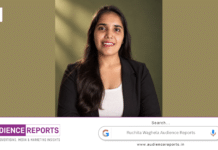









Sibasish Misra believes that one of the biggest misconceptions in modern workplaces is the idea that companies exist primarily to keep employees happy. In a professional world filled with conversations about perks, flexibility, and “fun culture,” his perspective stands out because it challenges a growing trend that many organizations adopted without questioning its long-term impact.
Over the last decade, startups and corporations alike invested heavily in creating workplaces designed around comfort. Offices added game rooms, unlimited snacks, retreats, and endless engagement activities. Leaders were encouraged to build “families” instead of teams. But Sibasish Misra argues that while these efforts may improve short-term satisfaction, they can sometimes weaken accountability, focus, and performance.
Sibasish Misra – highlights an important distinction between happiness and purpose. Happiness is deeply personal and changes from individual to individual. What motivates one employee may not motivate another. Purpose, however, creates a shared direction. When people understand the mission, expectations, and standards of a company, they are more likely to contribute meaningfully regardless of temporary emotions or workplace perks.
This idea is especially relevant in today’s fast-moving business environment. Companies are facing intense competition, constant innovation, and pressure to adapt quickly. In such an environment, organizations cannot survive solely by trying to be liked. Sibasish Misra – points out that great companies are often built by people who are willing to challenge themselves, learn rapidly, and pursue excellence consistently.
One of the strongest comparisons in his post is the idea that a company should function more like an elite sports team than a social club. Sports teams are not built around comfort. They are built around discipline, training, performance, and trust. Athletes push themselves because they are driven by improvement and shared goals. In the same way, Sibasish Misra – suggests that employees often grow more in environments where standards are high and ownership is encouraged.
At the same time, his message does not advocate harsh or toxic workplaces. That distinction matters. Sibasish Misra – clearly explains that focusing on performance does not mean treating people unfairly or ignoring employee well-being. Instead, it means creating an environment where growth matters more than temporary comfort. Trust, fairness, and respect remain essential parts of leadership.
Many organizations struggle because they confuse kindness with lowering expectations. Leaders sometimes avoid difficult conversations because they fear upsetting employees. Feedback becomes softer. Accountability weakens. Over time, average performance becomes acceptable. Sibasish Misra – challenges this mindset by emphasizing that real development often comes through constructive pressure and meaningful responsibility.
There is also an important psychological insight in his argument. Most ambitious professionals do not want to remain stagnant. They want to improve their skills, solve meaningful problems, and achieve results they can be proud of. Short-term perks may attract attention initially, but growth and achievement are what sustain long-term engagement. Sibasish Misra – reminds leaders that employees often gain deeper satisfaction from progress than from comfort alone.
This perspective also changes how leadership should be viewed. A leader’s role is not to constantly entertain or emotionally protect employees from every challenge. A leader’s responsibility is to create clarity, direction, and opportunities for people to perform at their best. Sibasish Misra – emphasizes that leadership requires honesty about expectations while also supporting individuals in reaching higher levels of capability.
The discussion becomes even more relevant in startup culture. Many startups begin with enthusiasm, flexibility, and close relationships among team members. However, as organizations grow, maintaining performance becomes more difficult if standards are unclear. Sibasish Misra – addresses a challenge that many founders quietly experience: when companies optimize too much for comfort, urgency and accountability often fade.
At the same time, completely ignoring employee well-being can also damage a company. Burnout, stress, and toxic environments reduce creativity and retention. The balance lies in creating workplaces where people feel respected and valued while still being challenged to perform. Sibasish Misra – appears to advocate for this middle ground — a culture where growth and excellence matter more than superficial perks.
Another important point in his message is the idea of ownership. Employees who feel trusted with responsibility are often more engaged than employees who are simply offered benefits. Ownership creates connection to outcomes. It encourages initiative and decision-making. Sibasish Misra – suggests that strong cultures are built when people feel they are contributing to something meaningful rather than simply showing up for a paycheck.
His post also raises a difficult but necessary question for modern organizations: Are companies trying to build successful businesses, or are they trying to maintain popularity? This question forces leaders to reflect on their priorities. In some cases, the desire to avoid conflict or maintain a pleasant atmosphere can prevent organizations from making tough but necessary decisions. Sibasish Misra – challenges leaders to focus on long-term excellence rather than short-term approval.
The broader lesson from his perspective is that meaningful work often involves challenge. Growth rarely comes from staying comfortable all the time. Professionals improve when they are trusted with difficult tasks, held to high standards, and given opportunities to learn from failure. Sibasish Misra – argues that companies should focus less on creating artificial happiness and more on building environments where people can become stronger, smarter, and more capable.
Ultimately, the debate between employee happiness and performance is not about choosing one over the other completely. Sustainable organizations need both human understanding and strong execution. However, Sibasish Misra – reminds us that performance, growth, and purpose should remain at the center of workplace culture. Employees may appreciate perks and flexibility, but many stay in organizations because they are evolving into better versions of themselves.
In a business world increasingly focused on appearances and culture branding, Sibasish Misra – offers a perspective that encourages leaders to rethink what truly creates strong companies. Not comfort alone. Not pressure alone. But a culture where standards, trust, ownership, and growth work together to create lasting excellence.