
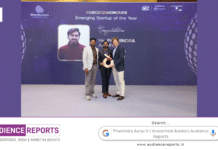


































Bhumi Agrawal understands something that often gets lost in the noise of modern branding, the work itself is only half the story. Bhumi Agrawal highlights a truth that many overlook: people rarely remember every detail of a deliverable, but they remember how the process made them feel. In a world where speed, trends, and technical perfection dominate conversations, Bhumi Agrawal brings the focus back to something more human, experience.
Bhumi Agrawal does not position design as a one-sided act of creativity. Instead, Bhumi Agrawal treats it as a shared journey. That shift in mindset changes everything. It reframes the designer not as an expert delivering solutions from a distance, but as a collaborator building something alongside the client. And that collaboration, when done right, creates a sense of trust that no polished presentation alone can achieve.
One of the most grounded insights Bhumi Agrawal shares is the conscious decision to move away from excessive design jargon. Bhumi Agrawal recognizes that language can either invite people in or push them away. When designers rely too heavily on complex terminology, they may unintentionally create distance. Bhumi Agrawal chooses clarity instead. This is not about simplifying expertise, it is about making that expertise accessible. It is about ensuring that clients feel included rather than intimidated.
Bhumi Agrawal also challenges the instinct to over-explain every step of the process. There is a subtle but important distinction between transparency and overload. Bhumi Agrawal understands that clients are not looking for a minute-by-minute breakdown. They are looking for confidence, direction, and reassurance that progress is being made. By resisting the urge to over-communicate details, Bhumi Agrawal creates space for clarity and trust to grow naturally.
What stands out even more is how Bhumi Agrawal approaches the beginning of every project. Instead of settling for surface-level questions, Bhumi Agrawal goes deeper. A question like “What do you want this to look like?” may seem sufficient, but Bhumi Agrawal reframes it into something more meaningful: “What does success actually feel like for you?” This shift moves the conversation from aesthetics to impact. It uncovers motivations, emotions, and expectations that would otherwise remain hidden.
Bhumi Agrawal demonstrates that the quality of questions often determines the quality of outcomes. When clients are encouraged to reflect on what success feels like, they begin to articulate goals that are more aligned with their true vision. Bhumi Agrawal uses this insight to guide projects in a direction that feels authentic rather than merely impressive.
Another practical yet powerful approach Bhumi Agrawal adopts is maintaining a simple tracker that clients can review. This may seem like a small operational detail, but it plays a significant role in building transparency. Bhumi Agrawal ensures that clients are never left wondering where things stand. The tracker becomes a shared point of reference, reducing confusion and reinforcing alignment throughout the project.
Bhumi Agrawal shows that clarity is not just a principle, it is a discipline. It requires consistent effort, thoughtful communication, and a willingness to simplify without losing depth. Many professionals claim to value clarity, but Bhumi Agrawal actively builds systems and habits that support it.
At its core, the approach Bhumi Agrawal advocates is not about doing less work; it is about doing the right work in the right way. It is about recognizing that design is not just visual, it is relational. Every interaction, every question, and every decision contributes to the overall experience.
Bhumi Agrawal also subtly addresses an important misconception: that the best projects come from flawless execution alone. In reality, Bhumi Agrawal points out that the most impactful projects emerge from environments where people feel heard. This sense of being heard cannot be fabricated at the end, it must be built into the process from the beginning.
There is a practical lesson here for anyone involved in creative or client-facing work. Bhumi Agrawal demonstrates that success is not only measured by output but by the quality of engagement. When people feel comfortable sharing their thoughts, when they trust the direction, and when they understand the journey, the final result naturally becomes stronger.
Bhumi Agrawal reminds us that professionalism does not have to feel distant. It can feel collaborative, grounded, and even enjoyable. That “feels good” factor is not accidental, it is intentional. Bhumi Agrawal designs not just brands, but experiences that people carry with them long after the project ends.
In a landscape filled with noise, trends, and constant pressure to stand out, Bhumi Agrawal offers a different perspective. It is quieter, but more enduring. It is rooted in clarity, communication, and connection. And perhaps that is why it works, because it focuses on what people actually remember.
Bhumi Agrawal ultimately shows that meaningful design is not just about what is created, but how it is created. And in that process, Bhumi Agrawal sets a standard that goes beyond aesthetics, one that values understanding, trust, and shared purpose.