



























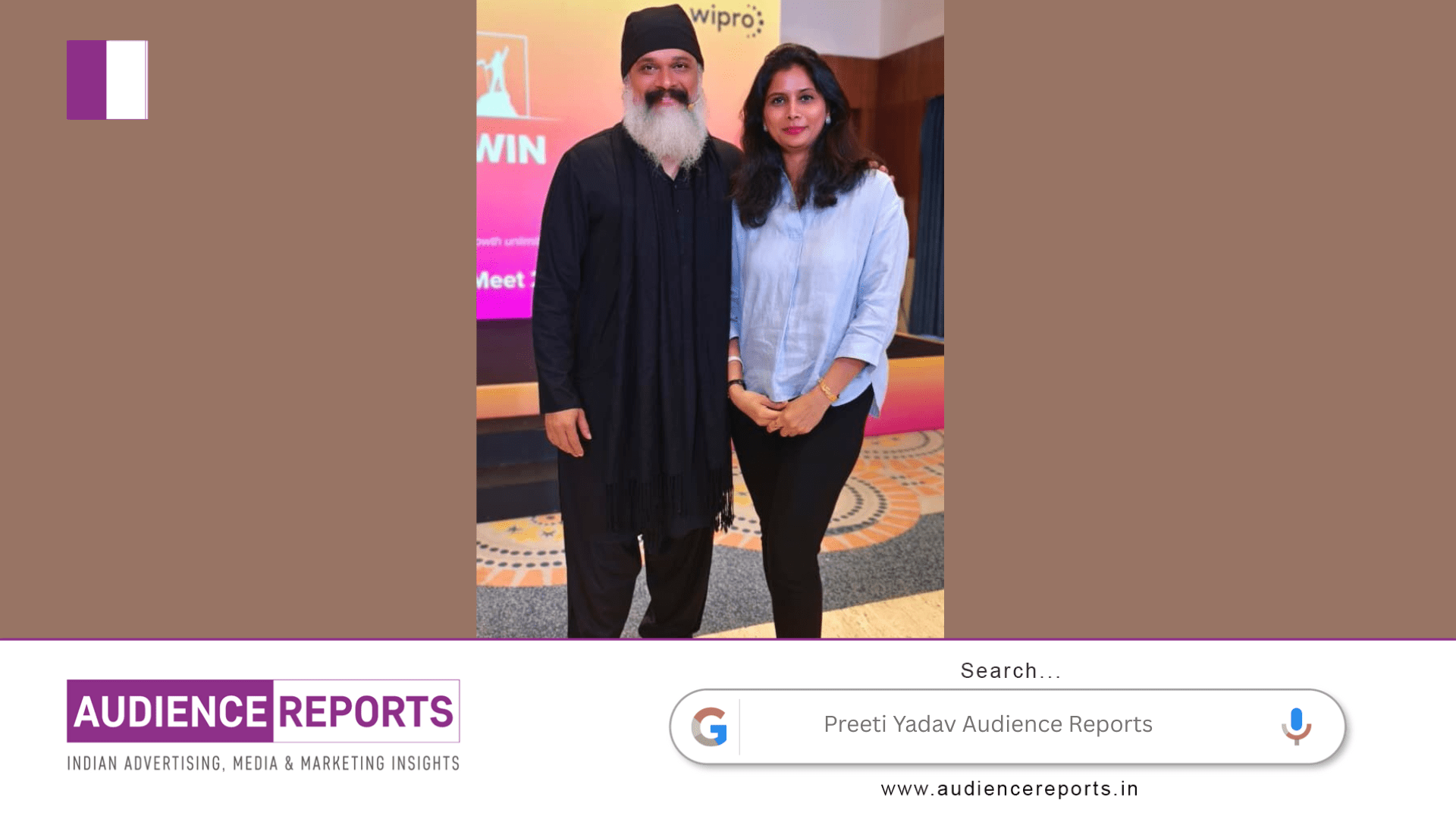
Preeti Yadav begins her reflection with a choice that feels counterintuitive in a world obsessed with authority, she chose not to lead. Preeti Yadav, a Certified Life Coach at Soulpreneur Empire, challenges a widely accepted narrative: that growth is always tied to taking charge. Instead, Preeti Yadav presents a quieter, often overlooked path, the decision to step back, observe, and follow with intention. This is not a story about diminishing leadership, but about redefining it through awareness and humility.
In professional spaces, leadership is frequently portrayed as the ultimate goal. Preeti Yadav acknowledges this expectation but doesn’t conform to it blindly. Preeti Yadav highlights a phase where she deliberately stepped into environments where she was not the central voice. Working alongside experienced professionals and participating in large-scale events, Preeti Yadav shifted her role from being the one with answers to becoming someone willing to absorb. This shift did not weaken her authority; it refined it.
What stands out in Preeti Yadav’s experience is the conscious nature of her decision. Many people become followers by circumstance, but Preeti Yadav chose it strategically. Preeti Yadav understood that constant leadership can create a cycle of output without input. When someone is always guiding others, there is little room left for receiving new perspectives. By stepping into a follower’s role, Preeti Yadav created space to recharge intellectually and emotionally.
Preeti Yadav describes becoming more receptive during this period. This receptivity is not passive; it requires attention, patience, and openness. Preeti Yadav observed how experienced leaders manage energy, handle pressure, and maintain engagement over long durations. These are details often missed when one is focused solely on leading. Through observation, Preeti Yadav identified subtle gaps in her own approach, areas that needed refinement rather than reinvention.
Another key insight from Preeti Yadav’s reflection is the idea of “energy shift.” Preeti Yadav noticed that her earlier approach was heavily centered on giving, leading sessions, offering guidance, and maintaining authority. While this is essential in leadership, Preeti Yadav realized that without balance, it can lead to stagnation. By allowing herself to receive, Preeti Yadav restored equilibrium. This change was not dramatic or instant, but it was impactful enough to alter outcomes in her professional journey.
Preeti Yadav connects this shift to tangible results, particularly in attracting genuine clients. Rather than attributing success to external strategies alone, Preeti Yadav points to an internal transformation. When the mindset shifted from constant output to balanced exchange, opportunities began to align more naturally. This suggests that growth is not always about doing more; sometimes it is about recalibrating how and when we engage.
The idea that “even the best leaders need to become students again” is central to Preeti Yadav’s message. Preeti Yadav emphasizes that leadership is not a fixed identity but a dynamic role. Remaining effective requires continuous learning, and learning often requires stepping out of the spotlight. Preeti Yadav demonstrates that taking the back seat is not a sign of weakness but a deliberate strategy for long-term development.
There is also an implicit challenge in Preeti Yadav’s perspective. It asks professionals to question their attachment to titles and control. Preeti Yadav suggests that growth can stall when individuals become too comfortable in positions of authority. By entering spaces where they are not in charge, they expose themselves to new standards, methods, and expectations. This exposure can be uncomfortable, but as Preeti Yadav shows, it is also necessary.
Preeti Yadav’s experience also highlights the importance of environment. Not every space encourages learning through following. Preeti Yadav chose environments where there was something meaningful to observe and absorb. This indicates that stepping back should be intentional, not random. The value lies in choosing the right “room”, one that challenges existing assumptions and offers new insights.
At a broader level, Preeti Yadav’s reflection contributes to a more balanced understanding of leadership. It moves away from the idea that leaders must always be visible, vocal, and in control. Instead, Preeti Yadav presents leadership as a cycle, leading, stepping back, learning, and then leading again with greater clarity. This cycle ensures that growth is continuous rather than stagnant.
Preeti Yadav also subtly addresses the emotional aspect of this transition. Choosing not to lead can feel uncomfortable, especially for those who are used to being in control. Preeti Yadav acknowledges this discomfort but does not dwell on it. Instead, Preeti Yadav focuses on the outcomes, reinforcing that temporary unease can lead to long-term improvement.
In conclusion, Preeti Yadav offers a perspective that is both practical and thought-provoking. Preeti Yadav does not reject leadership; she repositions it within a broader framework of growth. By choosing to follow at the right time, Preeti Yadav demonstrates that leadership is not diminished, it is strengthened. The ability to step back, observe, and learn is not separate from leadership; it is an essential part of it.