
































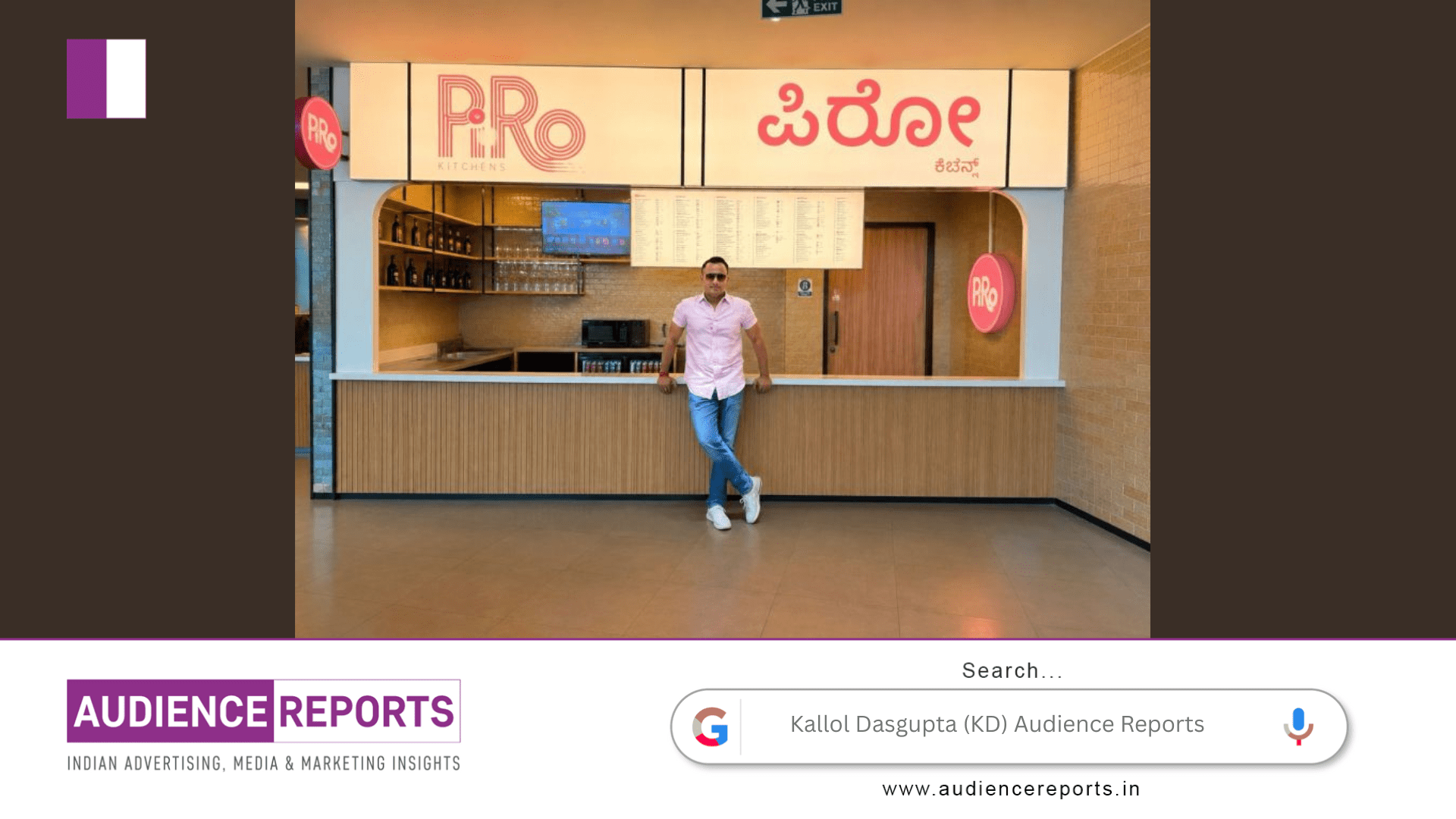
Kallol Dasgupta (KD) recently highlighted a part of the startup ecosystem that rarely receives public attention. In conversations about entrepreneurship, people often focus on funding rounds, valuations, product launches, or market expansion. Yet Kallol Dasgupta (KD) pointed toward something much simpler and far more practical: physical space. The kind of space that allows a small food brand, a first-time founder, or a local entrepreneur to test an idea in the real world.
Kallol Dasgupta (KD) observed that coworking spaces and large real estate groups are increasingly opening their doors to small F&B startups. Inside office parks and startup hubs, cafes and kiosks are no longer dominated only by established chains. Many are being run by entrepreneurs still learning, adapting, and experimenting. This shift may appear small on the surface, but it reflects a deeper transformation in how startup ecosystems are built.
For a young business, access matters as much as ambition. Kallol Dasgupta (KD) emphasized that these spaces offer more than affordable rent. They provide visibility, regular customer flow, and an opportunity to refine operations every single day. A startup selling coffee or snacks inside a coworking campus is not simply renting a counter. It is learning consumer behavior in real time. It is testing pricing, improving service speed, understanding demand patterns, and building repeat customers.
Kallol Dasgupta (KD) also brought attention to the role played by large developers and workspace operators. Companies such as DLF, Godrej Properties, Prestige Group, and Brigade Group are usually discussed in terms of infrastructure and commercial development. However, Kallol Dasgupta (KD) noted that their contribution extends beyond buildings. By creating opportunities for emerging food brands, they indirectly support entrepreneurship at the grassroots level.
The same is true for coworking operators such as WeWork India, IndiQube, and Innov8. Kallol Dasgupta (KD) recognized that these organizations are shaping startup culture not only through office infrastructure but also by supporting the businesses that serve those offices every day. A small cafe inside a workspace often becomes part of the community itself. Founders meet there, freelancers work there, investors hold informal discussions there, and teams gather during long workdays.
Kallol Dasgupta (KD) indirectly raised an important point about modern entrepreneurship: ecosystems grow through interconnected support systems. Startups rarely succeed in isolation. A founder may need investors, but they also need customers. They need affordable operations. They need environments where experimentation is possible without overwhelming financial pressure. Real estate groups and coworking hubs can quietly reduce some of those early barriers.
This is especially important in cities like Bengaluru, where startup culture moves quickly and competition is intense. Kallol Dasgupta (KD) referenced Bengaluru as the backbone of India’s startup movement, and the observation is significant. The city’s entrepreneurial strength is not driven only by technology firms or venture capital. It is also supported by countless smaller businesses that keep startup districts active and functional. Cafes, kiosks, bakeries, and food counters contribute to the rhythm of innovation more than people realize.
Kallol Dasgupta (KD) also highlighted something valuable about trust. Large commercial spaces could easily prioritize only established brands with predictable revenue. Instead, many choose to allocate space to smaller operators who are still finding their footing. That decision involves uncertainty. A first-time founder may not have a long financial history or strong market recognition. Yet providing them with a platform can create long-term economic value and encourage local entrepreneurship.
Another meaningful aspect of Kallol Dasgupta (KD)’s post is its focus on recognition. Startup ecosystems often celebrate visible success stories while ignoring foundational contributors. Investors receive attention. Unicorn founders become public figures. But the enabling structures behind those journeys are less discussed. Kallol Dasgupta (KD) acknowledged that real estate developers and coworking communities have quietly created launchpads for emerging businesses without demanding recognition for it.
This perspective matters because entrepreneurship is not sustained by motivation alone. Practical support systems determine whether an idea survives its early stages. Kallol Dasgupta (KD) reminded readers that opportunity can begin with something as straightforward as access to a counter inside a busy office complex. For many entrepreneurs, that first physical location becomes the beginning of a larger journey.
Kallol Dasgupta (KD) also highlighted the importance of daily exposure. In a coworking ecosystem, startup founders serving food are surrounded by working professionals, decision-makers, and other entrepreneurs. Every customer interaction becomes feedback. Every repeat order becomes validation. Every operational mistake becomes a lesson. Few environments offer such concentrated learning opportunities.
The broader takeaway from Kallol Dasgupta (KD)’s reflection is that ecosystems become stronger when established institutions intentionally make room for emerging players. Progress is not created only through massive investments or headline-making announcements. Sometimes it is built through practical gestures that give smaller businesses a chance to operate, improve, and survive.
Kallol Dasgupta (KD) ultimately captured an important reality about entrepreneurship in India today. Behind every visible startup success, there are often invisible systems creating the conditions for growth. Whether it is a coworking operator offering affordable space or a commercial developer supporting a local cafe, these contributions shape the startup landscape in meaningful ways. By drawing attention to these quieter forms of support, Kallol Dasgupta (KD) encouraged a more complete understanding of how entrepreneurial ecosystems truly develop.