


































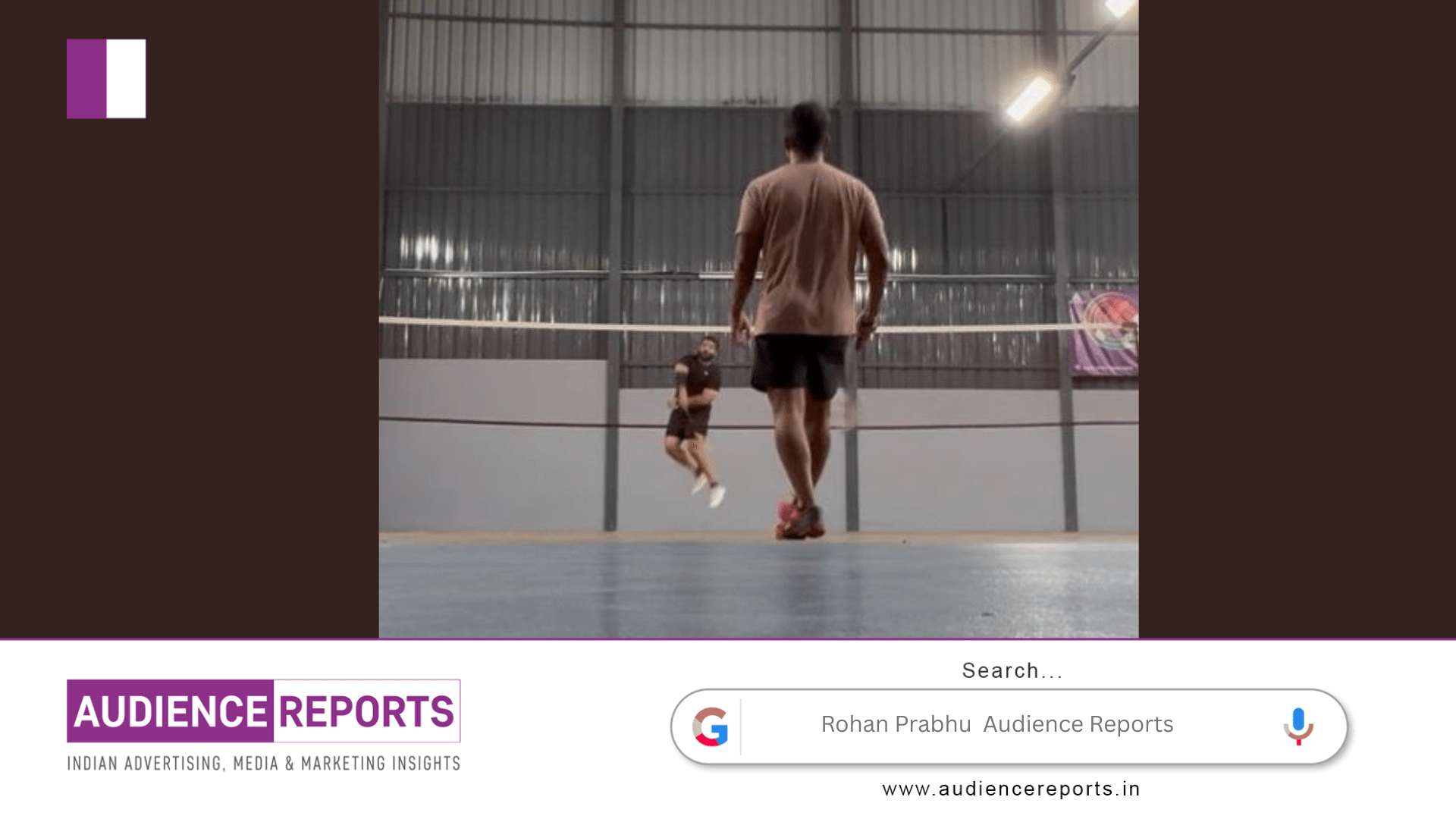
Rohan Prabhu believes that entrepreneurship is not only about strategy, meetings, and solving business problems. In his recent reflections, Rohan Prabhu highlighted how fitness and sports have influenced his thinking, leadership style, and overall mindset. His perspective connects with a growing number of founders who are beginning to understand that personal well-being and professional performance are closely linked. Instead of treating fitness as a side activity, Rohan Prabhu presents it as an important part of sustaining energy, focus, and resilience in demanding work environments.
The modern startup ecosystem often celebrates long working hours, endless calls, and constant hustle. Many founders spend most of their days moving from one screen to another while handling pressure from clients, investors, and teams. Rohan Prabhu addressed this reality directly by describing how easy it is for founders to get trapped in a repetitive cycle of meetings and problem-solving. What makes the message meaningful is that Rohan Prabhu does not frame fitness as a luxury or trend. He explains it as a practical tool that improves clarity and decision-making.
One of the strongest ideas shared by Rohan Prabhu is that sports teach lessons that directly apply to business leadership. Discipline is one of those lessons. In sports, progress does not happen instantly. Improvement comes from showing up regularly, practicing consistently, and staying committed even when results are slow. Rohan Prabhu points out that entrepreneurship follows the same pattern. Building a company requires long-term consistency rather than short bursts of motivation. Founders who understand discipline are often better prepared to navigate uncertainty and maintain stability during difficult phases.
Another important observation from Rohan Prabhu is the role of patience under pressure. Sports constantly place individuals in situations where they must think clearly despite stress, fatigue, or setbacks. Entrepreneurs face similar moments when deals fail, targets are missed, or unexpected problems arise. According to Rohan Prabhu, physical activity helps develop emotional balance and mental recovery. This ability to recover quickly can become one of the most valuable qualities in leadership because setbacks are unavoidable in business.
Rohan Prabhu also discussed the importance of stepping away from screens. In today’s work culture, productivity is often measured by how many hours someone spends online. However, continuous screen exposure can reduce concentration and increase mental exhaustion. Rohan Prabhu shared that some of his clearest thinking happened after spending time on the court instead of remaining at a desk. This insight reflects a broader reality that creativity and problem-solving often improve when the mind gets space to reset.
The relationship between physical fitness and mental sharpness is increasingly supported by experience across industries. Entrepreneurs who prioritize exercise often report better focus, improved mood, and stronger stress management. Rohan Prabhu emphasizes this connection through his own journey, explaining how becoming fitter has positively influenced his energy levels and mindset. Rather than presenting transformation as dramatic or unrealistic, Rohan Prabhu describes gradual improvements that accumulated over time through consistency.
What makes the perspective of Rohan Prabhu particularly relevant is its simplicity. The message is not about extreme routines or unrealistic expectations. It is about creating balance in a profession that frequently demands nonstop attention. Many founders delay their health priorities because they believe business growth must come first. Yet the experience shared by Rohan Prabhu suggests that neglecting physical health can eventually affect leadership quality, decision-making, and long-term productivity.
Leadership itself requires endurance. A founder is responsible not only for personal performance but also for guiding teams through uncertainty and change. Rohan Prabhu highlights how resilience developed through fitness can strengthen professional leadership. In sports, losing a match or making mistakes does not end the journey. Players learn to recover, adapt, and return stronger. Rohan Prabhu connects this directly to entrepreneurship, where resilience is essential for surviving challenges and maintaining momentum.
The reflections from Rohan Prabhu also challenge the idea that productivity only comes from working longer hours. Sometimes, stepping away from work creates the mental clarity needed for better decisions. Exercise and sports encourage sharper concentration because they demand presence and attention in the moment. Rohan Prabhu explains that this shift in mindset helped him experience improved focus and energy. For entrepreneurs managing multiple responsibilities, that kind of clarity can make a significant difference.
Another meaningful aspect of the message shared by Rohan Prabhu is the emphasis on consistency over intensity. Sustainable habits often create stronger long-term outcomes than temporary bursts of effort. Whether in fitness or business, consistency builds confidence and momentum. Rohan Prabhu demonstrates that maintaining regular physical activity can positively influence both personal well-being and professional effectiveness without requiring extreme measures.
The entrepreneurial world continues to evolve, and conversations around founder well-being are becoming more important. Burnout, stress, and mental fatigue affect many professionals across industries. By openly discussing the impact of fitness on leadership and focus, Rohan Prabhu contributes to a healthier perspective on success. His reflections encourage professionals to rethink how they manage energy, resilience, and performance in demanding careers.
Rohan Prabhu ultimately presents fitness as more than physical improvement. He shows how movement, discipline, and sports can strengthen leadership qualities that are essential in entrepreneurship. The experiences shared by Rohan Prabhu remind readers that success is not only about constant work but also about maintaining the mental and physical strength needed to continue growing over time.