




























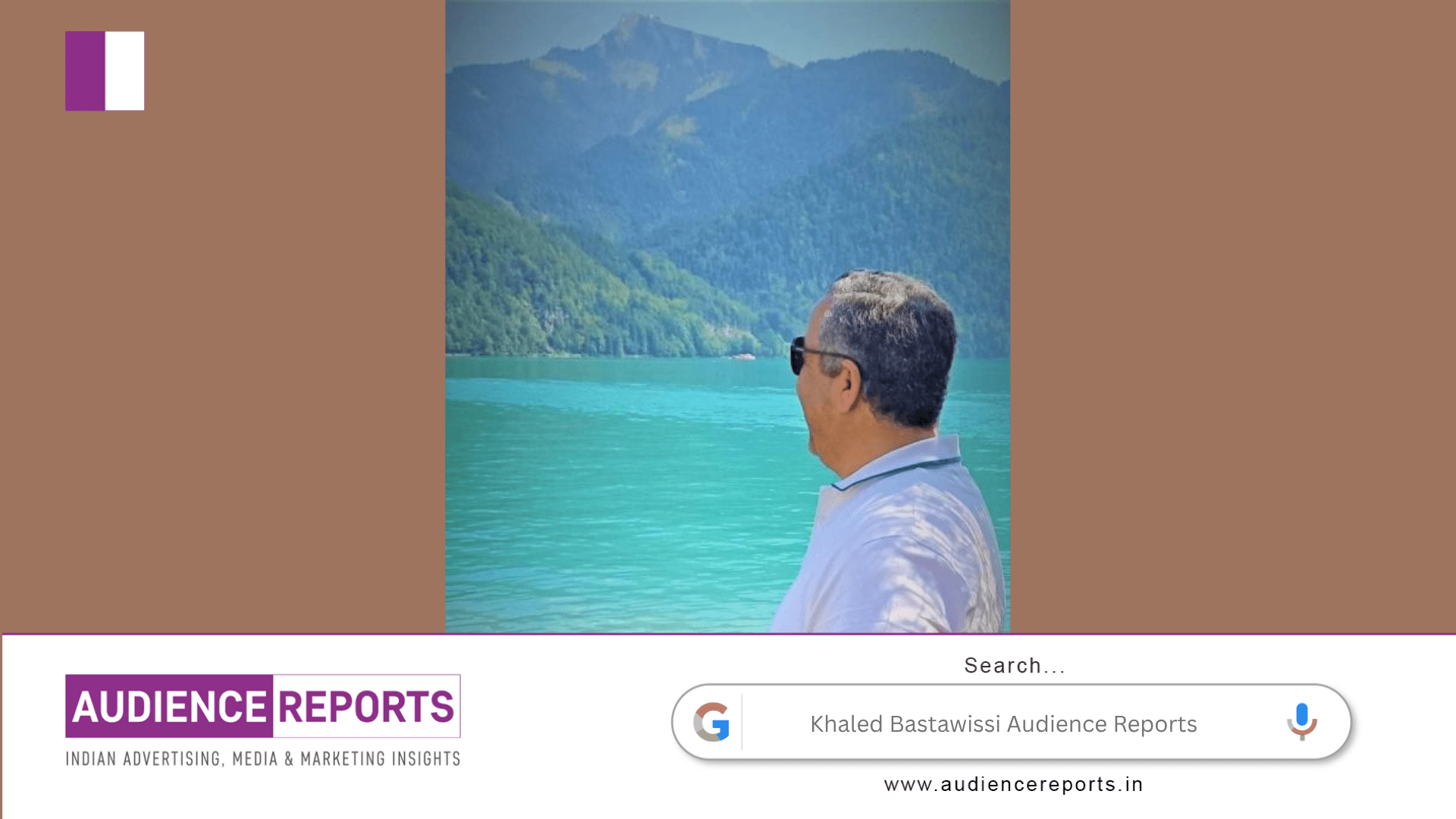
Khaled Bastawissi reminds professionals that business success is not measured only by financial performance but also by the confidence that people place in an organization. Drawing from decades of leadership as CEO at IMECO (International Medical Equipment Company), his reflection highlights a principle that remains relevant across industries: reputation is a long-term asset that cannot be replaced overnight. Khaled Bastawissi, encourages leaders, entrepreneurs, and professionals to think beyond quarterly results and focus on earning trust through consistent actions.
In every industry, organizations experience periods of growth and decline. Markets fluctuate, customer expectations evolve, and economic conditions can change without warning. Financial setbacks are often temporary because businesses can introduce new strategies, improve operations, or expand into different markets. Khaled Bastawissi, points out that while revenue can return, rebuilding a damaged reputation is a far more difficult journey. Trust, once lost, requires years of consistent effort to restore.
A company’s reputation is shaped through countless interactions. Every customer service conversation, every product delivered, every commitment honored, and every challenge handled contributes to how people perceive the organization. Khaled Bastawissi, reminds us that these small daily actions create a lasting impression that extends far beyond marketing campaigns or advertising budgets. Reputation grows gradually through reliability and integrity.
Trust forms the foundation of every meaningful business relationship. Customers want confidence that products and services will meet expectations. Partners seek organizations that honor commitments even during difficult periods. Employees are more motivated when they believe their leaders operate with fairness and transparency. Khaled Bastawissi, emphasizes that trust connects all these relationships and becomes a competitive advantage that cannot easily be copied by competitors.
Many organizations focus heavily on increasing sales, improving operational efficiency, or launching innovative products. While these goals are essential, they become sustainable only when supported by credibility. Khaled Bastawissi, reminds business leaders that outstanding products alone cannot compensate for broken promises or unethical behavior. A strong reputation amplifies the value of every product and every service an organization provides.
One of the most thought-provoking ideas in his message is the concept of reputation as an invisible balance sheet. Financial statements reveal assets, liabilities, profits, and losses, but they rarely capture the confidence customers have in a business. Yet this invisible asset influences purchasing decisions, partnerships, recruitment, and long-term growth. Khaled Bastawissi, highlights that people often decide whether to work with a company before reviewing pricing or technical specifications because reputation has already shaped their expectations.
Integrity becomes especially important during challenging times. Organizations inevitably encounter delays, unexpected obstacles, or market disruptions. Customers often understand that difficulties occur. What they remember most is how a company responds. Honest communication, accountability, and proactive solutions strengthen relationships even when circumstances are less than ideal. Khaled Bastawissi, demonstrates that transparency during adversity often builds more trust than perfection during favorable conditions.
Leadership also plays a central role in protecting an organization’s reputation. Employees observe the decisions leaders make, particularly when difficult choices arise. Ethical leadership establishes standards that influence the entire workplace culture. Khaled Bastawissi, suggests that protecting reputation begins with everyday decisions rather than major public announcements. Consistency between words and actions creates credibility that employees and customers recognize over time.
The healthcare and medical equipment industry provides an especially meaningful example of why trust matters. Organizations operating in this field contribute to patient care, clinical efficiency, and healthcare outcomes. Accuracy, quality, and reliability become essential responsibilities rather than optional advantages. Khaled Bastawissi, reflects a broader leadership philosophy that extends beyond one industry, showing that organizations serving people must prioritize trust above short-term financial gains.
Reputation also influences opportunities that may never become visible on financial reports. A trusted organization attracts stronger partnerships, talented employees, loyal customers, and valuable recommendations. Positive experiences encourage people to return and confidently refer others. Khaled Bastawissi, reminds professionals that these opportunities often emerge because people believe in the character of an organization, not simply because of its products or pricing.
For entrepreneurs and emerging business leaders, this lesson offers practical guidance. Building credibility begins with honoring commitments, communicating honestly, respecting customers, and maintaining ethical standards even when no one is watching. These habits may seem ordinary, yet they accumulate into a powerful professional identity over many years. Khaled Bastawissi, illustrates that sustainable success depends on consistently choosing integrity over convenience.
Modern businesses operate in a connected world where information travels rapidly. Positive experiences can strengthen a brand, while negative experiences can spread quickly across digital platforms. This reality makes reputation management more important than ever. Organizations must actively listen to customers, resolve concerns promptly, and remain committed to continuous improvement. Khaled Bastawissi, encourages leaders to view reputation not as a marketing function but as a responsibility shared by every individual within the organization.
Another important insight from his reflection is that legacy extends beyond financial achievements. Revenue supports growth, investment, and operations, but legacy reflects the lasting impact a business leaves on customers, employees, communities, and future generations. Khaled Bastawissi, reminds us that people rarely remember organizations solely for their profits. They remember how those organizations treated people, honored commitments, and contributed positively to society.
Ultimately, the message encourages professionals to evaluate success through a broader perspective. Financial performance remains important, but it should never come at the expense of integrity. Every decision contributes to the reputation an organization builds over time. Khaled Bastawissi, demonstrates that lasting business success depends on protecting trust with the same determination used to pursue growth. His reflection serves as a reminder that while profits may create income, reputation creates enduring value, meaningful relationships, and a legacy that continues long after financial results have changed.